
Tools
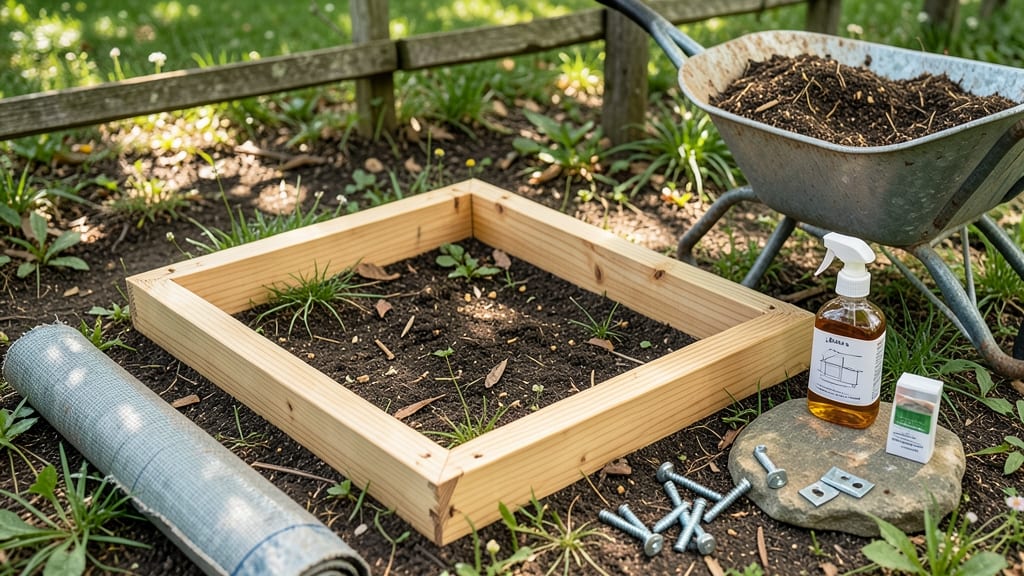
A 2x4 raised garden bed plans gives you the freedom to grow fresh produce year-round—no matter your yard size or soil quality.
Picture this: spring greens thriving in March, summer tomatoes bursting in July, and fall herbs still going strong in October. That’s the power of a height-adjustable design, which lets you tweak the growing space to match the season, your mobility needs, or even your favorite crops.
But here’s the catch: most plans skip the flexibility that makes them truly useful. My step-by-step guide covers everything from modular frames to telescoping legs, so you can build a bed that adapts to your space and your schedule—without breaking the bank.
Ready to ditch the seasonal limitations? I’ll walk you through material lists, drainage tricks, and customization hacks that turn a simple 2x4 frame into a year-round growing powerhouse.
How to build a height-adjustable 2x4 raised garden bed for all seasons
A height-adjustable 2x4 raised garden bed is my secret weapon for extending growing seasons in tight spaces. Unlike fixed beds, these designs let you raise or lower the frame to accommodate seasonal planting needs, poor soil conditions, or even mobility challenges.
The key lies in modular construction—using simple hardware to create a sturdy, customizable structure that supports 12-18 inches of soil depth, ideal for root vegetables like carrots and potatoes.
Before grabbing your tools, I recommend pressure-treated 2x4 lumber (to resist rot) and galvanized screws (for longevity). For adjustable height, you’ll need corner brackets or telescoping legs—both options work, but brackets offer more stability for larger beds.
A 4x8-foot bed is my go-to size, but you can scale it down for balconies or up for backyard plots. Let’s break this down into clear, actionable steps.
Step-by-Step Construction Guide
One of my favorite cost-saving tips is to repurpose cinder blocks or bricks as corner anchors instead of buying extra lumber. Just place them at each corner and screw the 2x4 frame into them—no need for legs!
For urban gardeners, consider stackable designs where beds can be disassembled and stored during winter. This also works well for container gardening on patios or balconies.
When optimizing for root growth, aim for a minimum 12-inch soil depth. This accommodates carrots, beets, and potatoes while keeping weeds at bay. For shallow-rooted plants like lettuce or herbs, 6-8 inches suffices.
Pro tip: Add a soil thermometer to monitor temperature—cold soil slows germination, so adjust bed height in spring to warm the soil faster.
For drainage, I swear by a layered approach: Start with 1 inch of gravel at the bottom, followed by landscape fabric, then your soil mix. This prevents soggy roots while retaining moisture.
If your climate is wet, consider adding drainage holes to the sides of the frame (use a jigsaw for clean cuts). For dry climates, mulch the surface with straw to lock in moisture.
Common mistakes to avoid? Skipping galvanized hardware (rust ruins the bed) or using untreated wood (it rots in 2-3 years). Also, don’t overlook weight distribution—larger beds need additional supports or shorter intervals between legs (every 2 feet max).
If you’re building on uneven ground, use a level and adjust leg lengths accordingly to keep the bed stable.
Once your bed is built, seasonal adjustments become a breeze. In winter, lower the bed
Top 5 adjustable 2x4 raised garden bed designs for different spaces
Not all garden spaces are created equal—and neither should your 2x4 raised garden bed designs. Whether you're working with a balcony in Brooklyn, a backyard plot in Texas, or a greenhouse in Maine, adjustable beds let you customize height, mobility, and coverage.
The key? Matching your design to your space's unique challenges, like weight limits, sun exposure, or seasonal frost. Below, I’ve compared five proven designs that adapt to any environment while keeping your plants thriving year-round.
For example, a stackable design saves space in urban areas, while a sliding bed maximizes sunlight in shaded backyards. Each option balances durability, ease of assembly, and compatibility with raised bed covers to extend your growing season.
Let’s dive into the specifics so you can pick the perfect fit for your garden.
🌱 Comparison Table: Adjustable 2x4 Raised Garden Bed Designs
The modular stackable design is my top pick for city dwellers with limited space. Its telescoping legs let you adjust height for winter frost protection or summer shade, while stacking saves floor space.
Just ensure your balcony’s weight limit isn’t exceeded—most can handle 300–500 lbs per unit. Pair it with a lightweight row cover to extend your growing season by 4–6 weeks in cold zones.
If you’re dealing with partial shade or need to rotate crops for sunlight, the sliding track system is a game-changer. Imagine moving your entire bed to follow the sun’s arc! This design works best in backyard plots where you can install tracks along a fence or path.
The trade-off? It requires more upfront assembly, but the 600–800 lb capacity makes it ideal for heavy soils or large plants like tomatoes or corn.
For greenhouse setups or areas with extreme temperature swings, the hinged lift system lets you raise or lower the bed with minimal effort. This is perfect for seed starting in early spring or winter harvesting of cold-hardy greens.
The hydraulic mechanism adds cost but pays off in year-round productivity. Just remember to use custom covers designed for vertical adjustments.
🌿 Pro Tip: Always pre-drill holes in your 2x4 lumber to prevent splitting, especially when adding adjustable brackets or wheels. Use galvanized screws for rust resistance, and line the bottom with landscape fabric to block weeds while allowing drainage.