
Planting
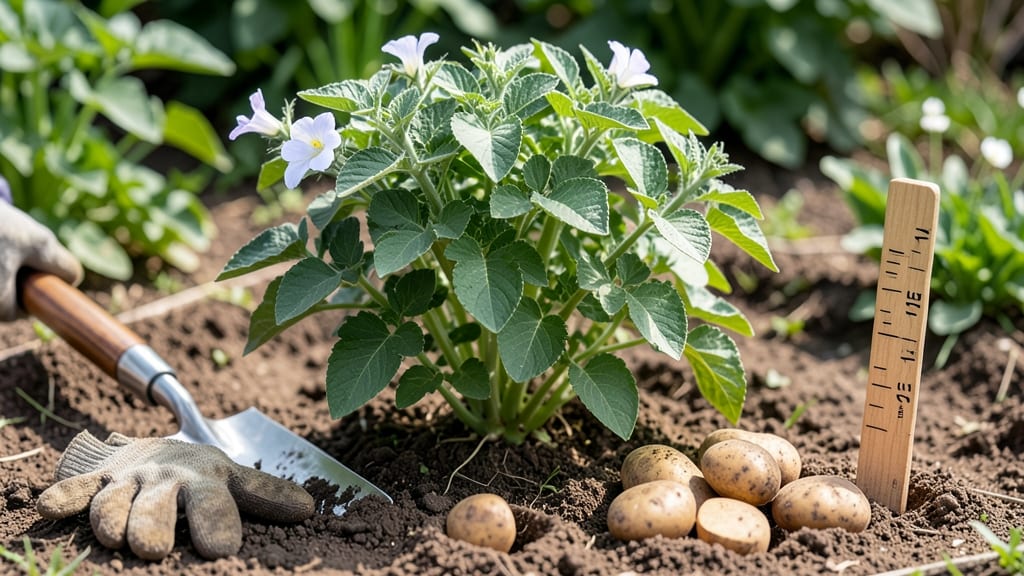
Spacing potatoes in your garden correctly is the difference between a bountiful harvest of plump, disease-free tubers and a sad pile of small, misshapen ones.
Picture this: you’ve spent weeks tending to your 🥔 patch, only to dig up a mess of tangled roots and green, shriveled potatoes. The culprit? Too little space between plants. Proper spacing isn’t just about fitting more potatoes in—it’s about giving them room to breathe, grow strong, and resist blight.
Whether you’re planting in a raised bed, in-ground plot, or even containers, the right distance between rows and plants makes all the difference.
In this guide, I’ll walk you through the ideal spacing for different varieties, how to adjust for your garden type, and the common mistakes that lead to wasted effort.
By the end, you’ll know exactly how to arrange your potatoes for maximum yield—no guesswork, just healthy, happy plants ready to feed your family all season long.
Ideal potato spacing by variety and garden type
Potatoes are one of the most rewarding crops to grow, but their success hinges on proper spacing. Too close, and you’ll end up with small, diseased tubers and poor airflow. Too far apart, and you’ll waste precious garden space.
The right spacing strategy depends on your potato variety and garden type—whether you’re growing in raised beds, in-ground plots, or even containers. Let’s break down the science behind spacing to help you maximize your harvest.
First, understand that potato spacing affects three critical factors: yield size, disease prevention, and ease of harvesting. Early-season varieties like Yukon Gold need less room than late-season Russet Burbank potatoes, which spread wider and produce larger tubers.
Meanwhile, container-grown potatoes require even tighter spacing to thrive in limited space. By following these guidelines, you’ll ensure healthy foliage, well-formed tubers, and minimal blight risk.
Here’s the golden rule for spacing: plant seed potatoes 4 inches deep, but adjust the horizontal spacing based on your garden type. In in-ground plots, aim for 12-15 inches apart in rows spaced 3 feet apart.
In raised beds, you can tighten this slightly to 10-12 inches apart in rows 2 feet apart to save space. For containers, use 6-8 inches apart in 5-gallon pots or larger. This ensures each plant gets enough nutrients, sunlight, and airflow without competing for resources.
🌱
For early-season potatoes, like Red Norland or Kennebec, you can plant them closer together—around 10-12 inches apart—since they mature faster and don’t spread as much.
These varieties are perfect for small gardens or succession planting, where you’ll harvest them before larger varieties take over the space. Meanwhile, late-season potatoes, such as Katahdin or Maine, need 15-18 inches apart because they produce larger tubers and take longer to mature.
If you’re growing potatoes in raised beds, take advantage of the vertical space by using the hill method. Start with 10-12 inches apart in rows 2 feet apart, then mound soil around the stems as they grow.
This encourages deeper tuber formation and prevents greening (toxic solanine buildup). Just be sure to leave 6 inches of space between the top of the mound and the bed’s edge to avoid spilling soil.
Container gardening changes the game entirely. Since space is limited, opt for smaller varieties like Fingerling potatoes or Cherry Cream. Plant 2-3 tubers per 5-gallon container, spacing them 6-8 inches apart. Use a lightweight potting mix with good drainage to prevent rot. Containers also allow you to harvest early and replant, making them ideal for small balconies or patios. Just remember: larger containers = bigger yields, so aim for at least 10 gallons per plant if
Common potato spacing mistakes and how to fix them
Even experienced gardeners accidentally make spacing mistakes with potatoes that lead to disappointing harvests. The most common error is planting too closely, which forces tubers to compete for nutrients and space underground.
This competition results in small, misshapen potatoes and invites fungal diseases like late blight by restricting airflow around the foliage.
Another frequent mistake is ignoring variety differences—some potatoes, like fingerlings, need tighter spacing than Russets. Even small adjustments in spacing can transform a struggling potato patch into a high-yielding one.
Let’s fix these issues step by step so you can grow potatoes that fill your basket, not your frustration.
Planting potatoes too close together creates a perfect storm for late blight and early blight. The dense foliage traps moisture, while poor airflow prevents the soil from drying properly. This leads to:
- Stunted tubers (competing for nutrients)
- Fungal infections (blight spreads faster)
- Wasted space (smaller harvests per square foot)
Fix it now: Thin plants to 12-15 inches apart for most varieties, or 6-8 inches for fingerlings. If already planted too close, harvest early and replant in a new spot next season.
If your potatoes are already growing too close, don’t panic. You can thin them out by carefully removing smaller plants while the soil is still moist. This might seem harsh, but it ensures the remaining plants have room to develop large, healthy tubers.
For existing gardens, consider succession planting—harvest early varieties and replant in the same space with later-season potatoes.
Another overlooked issue is row spacing. Many gardeners focus on plant spacing but forget that rows should be 3 feet apart for proper airflow. Tight rows create a tunnel effect that traps humidity, increasing the risk of potato scab and blackleg disease.
If your rows are closer than 3 feet, widen them now—your future harvest will thank you.
For container growers, the mistake is often overestimating space. A standard 5-gallon bucket can fit 1-2 potato plants, but cramming in 3-4 will lead to tiny tubers. Use larger containers (10+ gallons) for better yields, and always plant one tuber per container if space is limited.
This ensures each plant gets the nutrients it needs without competition.
Finally, ignore the "hill" at your peril. Many gardeners forget to mound soil around the stems as they grow, which restricts tuber formation. Hill potatoes every 2-3 weeks to encourage deeper root growth and larger harvests.
This simple habit can double your yield by giving tubers more room to expand underground.