
Tools
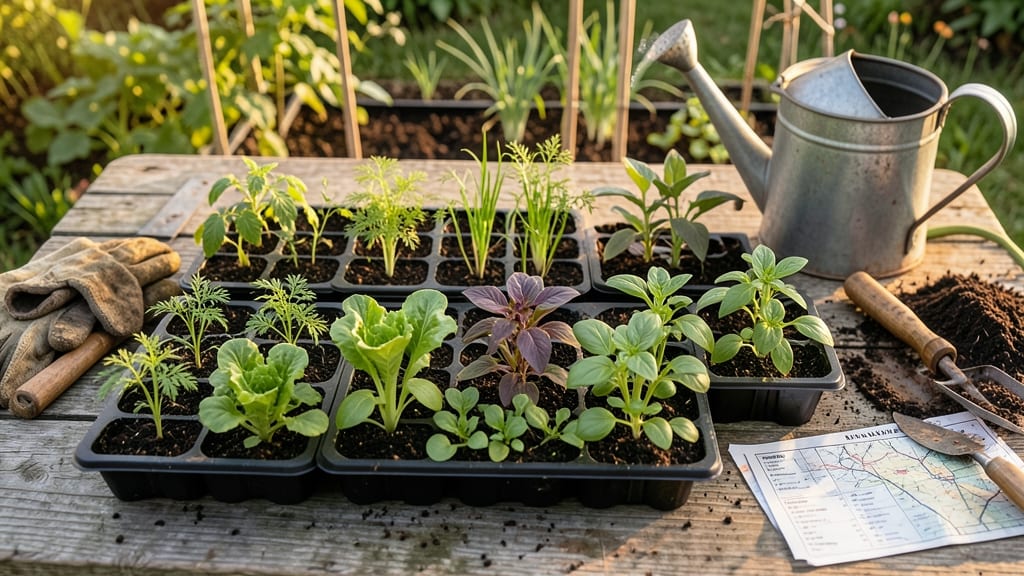
Scheduling your vegetable garden planting by frost zone unlocks the secret to bountiful harvests—whether you're in chilly Zone 3 or mild Zone 10, timing makes all the difference.
Picture this: you’ve prepped your soil, ordered seeds, and can’t wait to dig in—only to watch your tender seedlings freeze overnight or bolt into flower too soon. Missing the planting window by even a few weeks can turn eager gardeners into frustrated ones, and that’s exactly what this schedule prevents.
From cool-loving greens that thrive in early spring to heat-crazy tomatoes that need warm soil, every vegetable has its own deadline. We’ll break down exactly when to plant 30+ crops by your zone, plus how to stretch your season with simple tricks like row covers and succession planting.
No more guesswork—just a clear, zone-specific roadmap to turn your garden dreams into a reality, step by step.

How to determine your frost Zone and planting deadlines
Getting your vegetable garden planting schedule right starts with understanding your USDA frost zone. This critical information tells you when to plant, what varieties will thrive, and how to avoid frost damage.
Even experienced gardeners make mistakes here—like planting warm-season crops too early or cool-season crops too late. Let me walk you through how to pinpoint your zone and set accurate planting deadlines.
First, locate your USDA hardiness zone using the official USDA Plant Hardiness Zone Map. You can find your zone by entering your ZIP code on the USDA website or using a gardening app.
Most gardeners fall between Zone 3 (coldest) and Zone 10 (warmest). Once you know your zone, you’ll have a baseline for when frost typically arrives in spring and departs in fall.
Next, calculate your average last frost date—the last expected frost in spring—and your first frost date in fall. These dates determine your planting windows.
For example, in Zone 5, the last frost is usually around May 15, while in Zone 8, it’s closer to March 15. You can find local frost date averages from your local cooperative extension office or gardening forums.
Now, here’s where it gets practical: cool-season crops like lettuce, peas, and spinach can handle light frosts, while warm-season crops like tomatoes, peppers, and cucumbers need warm soil and air to thrive. Your planting deadlines will vary based on whether you’re growing one or the other.
For instance, you might plant cool-season crops 4-6 weeks before your last frost date, but warm-season crops should wait until 2 weeks after.
Here’s a quick reference to help you visualize how frost zones and planting windows work together:
| Frost Zone | Last Frost Date (Spring) | First Frost Date (Fall) | Cool-Season Planting Window | Warm-Season Planting Window |
|---|---|---|---|---|
| Zone 3 | May 10–20 | September 10–20 | April 1–May 1 | June 1–July 1 |
| Zone 5 | May 1–15 | October 1–15 | March 15–April 15 | May 15–June 1 |
| Zone 7 | March 15–April 1 | November 15–December 1 | February 15–March 15 | April 15–May 1 |
| Zone 9 | February 15–March 1 | December 15–January 15 | January 1–February 15 | March 1–April 1 |
| Zone 10 | January 1–February 1 | November 1–December 1 | October 15–November 15 | February 15–March 15 |
Once you’ve nailed down your frost dates, adjust your planting deadlines based on your crops. For example, tomatoes and peppers need warm soil, so wait until 2 weeks after your last frost date.
Meanwhile, spinach and kale can handle cooler temps, so plant them 4-6 weeks before. Always check seed packets for specific recommendations—they often include frost tolerance details.
Pro tip: Use row covers or cold frames to extend your planting season. These tools can protect tender plants from late frosts, giving you an extra 2-4 weeks of growing time.
For instance, if you’re in Zone 6 and a late frost hits in early May, a row cover can shield your basil or cucumbers until the threat passes.
Don’t forget to account for soil temperature. Even if the air is warm, cold soil can stunt seed germination. Use a soil thermometer to check when soil reaches 60°F or higher for warm-season crops.
For cool-season crops, soil temps between 40°F and 70°F are ideal. This small step can save you from weeks of waiting for seeds to sprout.
Finally, keep a gardening journal to track your frost dates and planting outcomes. Over time, you’ll notice patterns—like whether your local frost date is earlier or later than the average. This helps you fine-tune your planting schedule year after year.
For example, you might realize that Zone 5 in your area has a frost date 10 days earlier than the USDA average.
With your frost zone and planting deadlines locked in, you’re ready to dive into crop-specific schedules tailored to your climate. Next, we’ll break down exactly when to plant each vegetable in your zone—so you can start planning your most productive garden yet! 🌱
Crop-specific planting schedule by frost Zone (zones 3-10)
Planning your vegetable garden planting schedule around your USDA frost zone ensures you maximize your growing season and avoid frost damage. Whether you're in Zone 3 with short summers or Zone 10 with year-round warmth, timing is everything.
Below is a tailored schedule for popular vegetables, including cool-season crops like spinach and warm-season favorites like tomatoes.
For Zones 3-5, focus on early spring and late summer plantings to avoid late frosts. In Zones 6-10, you can extend your season with succession planting and even fall harvests.
Always check your last frost date and adjust for microclimates—like south-facing slopes or urban heat islands.
Comparison Table: Month-by-Month Planting by Zone
| Vegetable | Zones 3-4 | Zones 5-6 | Zones 7-8 | Zones 9-10 | Succession Tip |
|---|---|---|---|---|---|
| Tomatoes 🍅 | May-June (after frost) | April-May | March-April | Feb-April | Plant every 2 weeks |
| Lettuce 🥬 | March-April, Aug-Sept | Feb-April, July-Aug | Jan-April, July-Sept | Year-round (shade) | Harvest outer leaves |
| Carrots 🥕 | April-May, July | March-April, June | Feb-April, May | Jan-April, Sept | Thin seedlings |
| Peppers 🌶 | May-June (indoor start) | April-May | March-April | Feb-March | Use row covers |
| Spinach 🌱 | March-April, Aug-Sept | Feb-April, July-Aug | Jan-April, July-Sept | Year-round (cool spots) | Avoid bolting |
For cool-season crops like lettuce and spinach, plant in early spring and late summer to avoid bolting. In warmer zones, you can even grow these year-round with shade protection. Warm-season crops like tomatoes and peppers need soil temperatures above 60°F—use row covers or greenhouses in cooler zones.
In Zones 3-5, I recommend starting warm-season crops indoors 6-8 weeks before the last frost. For example, tomatoes in Zone 3 should start indoors in March for a May transplant.
In Zones 9-10, you can plant year-round, but focus on succession planting every 2-3 weeks to keep harvests steady.
Don’t forget to adjust for local microclimates. A south-facing wall can add 10°F warmth compared to open fields. Use frost blankets or cloche covers to extend your season in colder zones. For container gardening, choose compact varieties and move pots to sunny spots as the season progresses.
Pro tip: Bookmark your local cooperative