
Planting
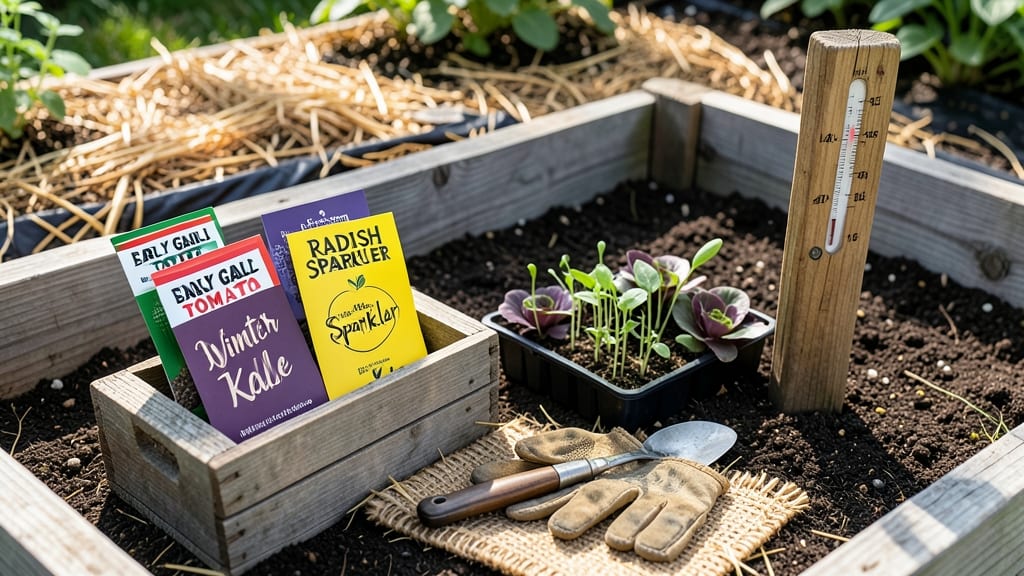
Planting a vegetable garden in New Brunswick means timing your crops to beat the mid-May frost and stretch into fall’s 165 frost-free days—or risk losing everything to an early chill.
If you’ve ever watched your seedlings wilt overnight or your tomatoes turn to mush before ripening, you know how brutal the climate can be. But with the right schedule, you can turn those challenges into a bountiful harvest—starting with cool-season crops in spring and warm-season stars in summer.
New Brunswick’s USDA Zone 5b demands precision: peas and spinach thrive in mid-April, while tomatoes and peppers need to wait until late May or early June after the last frost. Fall planting? Late July to early August is your second chance for kale, carrots, and radishes.
Below, I’ll break down the exact frost dates by region, soil prep secrets for NB’s tricky clay, and how to stretch your season with simple tricks. Ready to grow like a local?
New Brunswick frost dates and planting zones: your 2024 calendar
New Brunswick’s USDA Plant Hardiness Zones 4b–6a mean your vegetable garden thrives between mid-May and mid-October, but exact timing varies by region.
Understanding last frost dates (average May 15) and first frost dates (average October 10) helps you avoid frost damage to tender crops like tomatoes and peppers. Each area—from Saint John’s coastal mildness to Miramichi’s cooler inland climate—has unique microclimates that affect planting windows.
Cool-season crops like kale, peas, and spinach can handle light frosts, while warm-season crops like tomatoes, peppers, and cucumbers need to wait until after the last frost.
In Fredericton (Zone 5b), for example, you can start peas as early as late April, but tomatoes should wait until mid-June. Below, I’ve broken down frost dates and planting windows for New Brunswick’s key regions to help you plan your garden like a pro.
Pro Tip: Use row covers or cold frames to extend your growing season by 2–4 weeks in spring and fall. This is especially useful in Zone 4b areas like Miramichi, where frosts linger longer.
| Region | USDA Zone | Last Frost (Avg.) | First Frost (Avg.) | Spring Planting Window | Fall Planting Window |
|---|---|---|---|---|---|
| Saint John | 5b | May 10 | October 15 | Late April (cool crops) / Mid-June (warm crops) | Late July (fast growers) |
| Fredericton | 5b | May 15 | October 10 | Late April (cool crops) / Early June (warm crops) | Late July (fast growers) |
| Moncton | 6a | May 5 | October 20 | Early April (cool crops) / Late May (warm crops) | Early August (fast growers) |
| Miramichi | 4b | May 20 | September 25 | Mid-May (cool crops) / Late June (warm crops) | Late July (fast growers) |
Warm-Season: Tomatoes, Peppers, Cucumbers, Beans, Corn
In Zone 6a (Moncton), you’re the lucky one—your longer frost-free season lets you plant warm-season crops like tomatoes and peppers as early as late May. Meanwhile, gardeners in Zone 4b (Miramichi) should focus on fast-maturing varieties and prioritize cool-season crops to avoid late frosts.
For example, ‘Early Girl’ tomatoes (mature in 55 days) are a safer bet than heirloom varieties that take 80+ days.
For fall planting, aim to sow seeds or transplant seedlings 8–10 weeks before your first frost. In Fredericton, that means starting late July for fast growers like radishes and lettuce.
In Miramichi, push it to early August to avoid early frosts. Use frost cloth to protect tender fall crops like kale and spinach if temperatures dip unexpectedly.
New Brunswick’s clay-heavy and sandy soils present unique challenges for vegetable gardens. Without proper prep, your plants may struggle with poor drainage or nutrient deficiencies. The key to success lies in understanding your soil type and making targeted amendments before planting. First, test your soil pH—most vegetables thrive in a range of 6.0 to 7.0. New Brunswick’s acidic soils often skew lower, requiring lime to adjust. Skip this step, and you risk stunted growth or disease-prone plants. Grab a soil test kit from local garden centers or send a sample to the New Brunswick Department of Agriculture for professional analysis. ⚠️ callout-warning ⚠️
New Brunswick’s clay soils (common in Saint John) compact easily, while sandy soils (like those in Miramichi) drain too quickly. Both extremes stress plants. Solution: Amend clay with peat moss or compost to improve aeration, and blend sand with organic matter to retain moisture. Skip this, and your roots suffocate or dry out. Pro Tip: Mix in 3-4 inches of compost before planting to boost fertility and structure.Soil preparation checklist for New Brunswick gardens: avoid these 3 common mistakes
Next, address drainage issues, especially in boggy areas like Miramichi. Poor drainage leads to root rot and fungal diseases. If your garden holds water after rain, consider raised beds or tilling in coarse sand or perlite. For heavy clay, create mound beds to elevate roots above waterlogged layers.
Don’t overlook organic matter—it’s the backbone of healthy soil. While compost is ideal, New Brunswick’s cool climate means peat moss (locally available) works well for sandy soils.
Avoid fresh manure, which can burn plants due to high ammonia levels. Instead, opt for well-aged compost or leaf mold for a slow-release nutrient boost.
Finally, use the right tools: a broadfork for aerating clay, a tiller for sandy patches, and a moisture meter to monitor drainage. These investments save time and prevent costly mistakes. For example, a moisture meter helps you adjust watering before roots suffer.
By tackling these three mistakes—pH imbalance, poor texture, and drainage problemsearly spring (March–April) to give soil time to settle before planting.