Planting
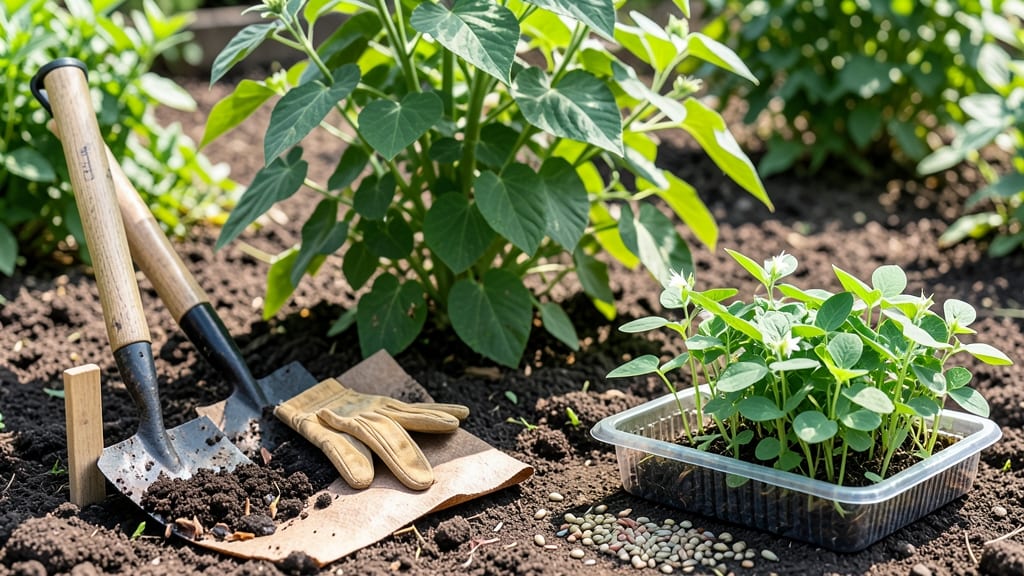
To plant green beans in your garden properly, start by soaking seeds overnight for faster germination—this simple trick cuts your wait time in half and ensures a stronger start.
Green beans are one of the easiest and most rewarding vegetables to grow, but proper planting—especially spacing—can make the difference between a thriving harvest and a tangled mess.
Whether you're cultivating bush beans for compact gardens or pole beans for vertical growth, these proven techniques will ensure your plants flourish all season long.
You don’t need a green thumb to grow green beans 🌱—just well-drained soil, full sun, and the right spacing. Bush beans thrive with 18–24 inches between plants, while pole varieties need just 4–6 inches apart with sturdy trellises. Planting too close leads to crowded vines, fewer pods, and even disease.
Below, I’ll walk you through the exact steps for soil prep, planting depth, watering schedules, and early care—plus how to avoid common mistakes that waste your harvest potential. Ready to grow a bumper crop?

Step-by-step green bean planting guide for bush and pole varieties
Green beans are one of the most beginner-friendly vegetables to grow, but their success starts with proper planting techniques. Whether you're growing bush beans for compact harvests or pole beans to climb trellises, following these steps ensures strong roots and abundant yields.
The key differences lie in spacing, support systems, and planting depth—all of which I’ll cover in detail below.
Before you begin, choose a location with full sun exposure (at least 6-8 hours daily) and soil that drains well. Green beans thrive in slightly acidic to neutral soil with a pH between 6.0 and 7.0.
If your soil is heavy clay or sandy, amend it with compost or aged manure to improve fertility and moisture retention. Avoid fresh manure, as it can burn tender seedlings.
How to Plant Green Beans in Garden
- Step 1: Test and Prepare Soil
Conduct a soil test to check pH. If needed, adjust with lime (to raise pH) or sulfur (to lower pH). Mix in 2-3 inches of compost or well-rotted manure into the top 6-8 inches of soil. - Step 2: Choose Your Variety and Layout
For bush beans, plan rows 18-24 inches apart with plants 4-6 inches apart. For pole beans, space seeds 4-6 inches apart along trellises or stakes, with rows 12-18 inches apart. - Step 3: Plant Seeds at the Right Depth
Sow seeds 1 inch deep in rows or hills. If planting in hills, space 3-4 seeds per hill with hills 12 inches apart. Thin seedlings to the strongest 2-3 plants per hill once they’re 3-4 inches tall. - Step 4: Install Supports for Pole Beans
Set up trellises, stakes, or cages (at least 5-6 feet tall) before planting pole beans. Secure supports 6 inches into the ground for stability. Train vines with soft ties or twine as they grow. - Step 5: Water Gently After Planting
Water the soil deeply but gently to avoid displacing seeds. Keep the soil consistently moist (not soggy) until germination, which typically occurs in 7-14 days depending on temperature. - Step 6: Thin Seedlings for Optimal Growth
Once seedlings reach 2-3 inches tall, thin them to the recommended spacing. For bush beans, leave 4-6 inches between plants. For pole beans, thin to 4-6 inches apart along supports. - Step 7: Mulch to Retain Moisture
Apply 2-3 inches of mulch (straw, grass clippings, or shredded leaves) around plants to suppress weeds, retain moisture, and regulate soil temperature. Keep mulch 2 inches away from stems to prevent rot.
Timing is critical for green beans. Plant seeds 1-2 weeks after your last frost date when soil temperatures reach at least 60°F.
In warmer climates, you can also plant in late summer for a fall harvest, but avoid planting when night temperatures exceed 80°F, as this can reduce pollination and yield.
One common mistake is planting seeds too deeply, which delays germination. Always stick to 1 inch deep—any deeper, and they may rot before sprouting. Another pitfall is overcrowding, especially with bush beans.
If plants are too close, they’ll compete for nutrients and light, leading to smaller pods and lower yields. Pole beans also suffer if not given enough vertical space; vines need room to climb without tangling.
After planting, monitor for even moisture. Green beans are sensitive to drought stress, so aim for 1-2 inches of water per week, delivered at the soil level (not overhead) to prevent fungal diseases like rust or powdery mildew.
A drip irrigation system or soaker hose works best for consistent watering.
Within 2-3 weeks, you’ll see the first true leaves emerge. This is your cue to start light fertilization if your soil isn’t already rich. Use a balanced 10-10-10 fertilizer at half strength to encourage healthy foliage and pod development.
Avoid high-nitrogen fertilizers, which promote leafy growth at the expense of beans.
For pole beans, gently guide vines onto supports as they grow. Use soft materials like old t-shirts or twine to tie stems—never wire, which can damage delicate stems.
Prune any side shoots that form below the first 6-8 inches of the vine to direct energy upward and improve airflow, reducing disease risk.
With these steps, you’ll set your green beans up for a bountiful harvest. Remember, consistency is key—whether it’s spacing, watering, or support. Soon, you’ll be enjoying fresh, crisp pods straight from your garden! 🌱
Optimal spacing and support systems for maximum yield
Green beans thrive when given the right spacing and support—two factors that directly impact your harvest yield and plant health. Bush beans need 18–24 inches apart for airflow, while pole beans require 4–6 inches apart but need vertical trellises to climb.
Proper spacing prevents disease and maximizes sunlight exposure, while support systems like trellises or cages keep vines organized and off the ground.
For bush beans, which grow in compact mounds, 18–24 inches between plants ensures each plant gets enough nutrients and sunlight. This spacing also makes harvesting easier and reduces the risk of fungal diseases that thrive in crowded, humid conditions.
If you're short on space, consider dwarf varieties, which can be planted 12–15 inches apart without sacrificing too much yield.
Pole beans, on the other hand, are vining plants that can grow 6–10 feet tall if given proper support. Planting them 4–6 inches apart in rows 18–24 inches apart creates a dense but manageable vertical garden.
The key here is trellis training: Use 5–6 foot tall trellises or sturdy cages to guide the vines upward, freeing up garden space for other crops.
To train pole beans for vertical growth, install trellises or cages before planting. As the vines emerge, gently tie them to the support with soft plant ties or old pantyhose to avoid damaging the stems.
Pole beans will naturally twine around the trellis, creating a lush, space-saving canopy. For bush beans, avoid overcrowding by thinning seedlings to the recommended spacing—this prevents competition for nutrients and reduces the risk of blossom end rot.
Proper support systems also improve air circulation, which is critical for preventing powdery mildew and other fungal issues. If you're growing pole beans, consider using biodegradable twine or wooden stakes for a rustic look while keeping the vines off the ground.
For bush beans, a light mulch around the base helps retain moisture and suppress weeds without smothering the plants.
Remember, spacing isn't just about yield—it's about plant health. Overcrowded beans lead to poor airflow, which invites pests and diseases. By following these science-backed spacing guidelines and providing the right support, you'll enjoy a bountiful harvest of crisp, flavorful green beans all season long. 🌱