
How To
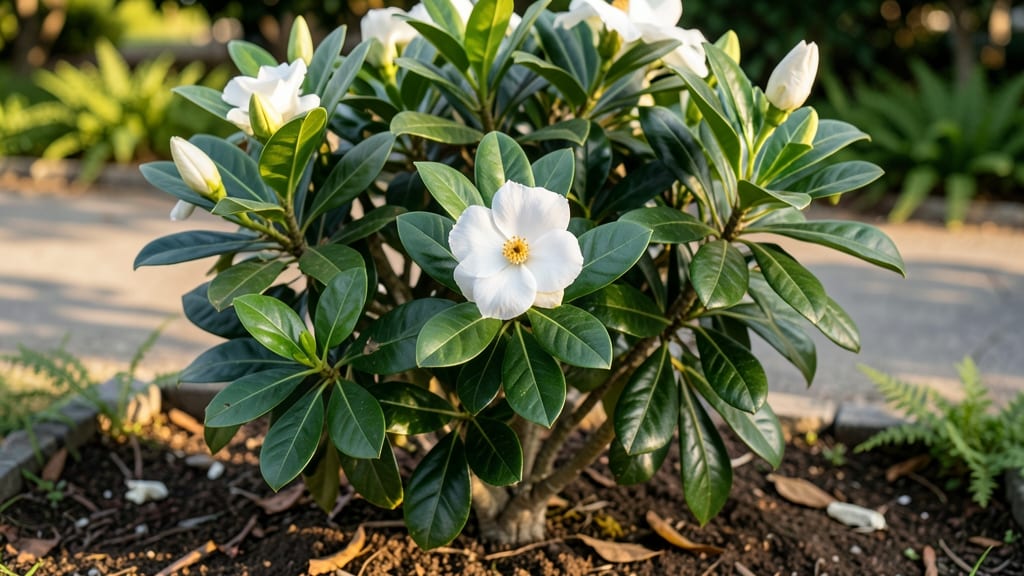
A gardenia tree grows between 3 and 15 feet tall, depending on the variety and how you care for it—some stay compact enough for containers, while others reach small-tree heights.
If you're dreaming of fragrant gardenias but wondering whether they'll dwarf your backyard or gracefully complement your landscape, you're in the right place. These 🌸 beauties can be everything from a low hedge to a striking focal point, and the difference often comes down to pruning and variety selection.
Most gardenias hit their mature height within 3 to 5 years, but their growth rate slows dramatically after the first few years. The key to controlling their size lies in understanding your climate—warmer zones like 6a push faster growth, while cooler areas may see slower, more compact development.
In this guide, you'll discover the exact height ranges for popular varieties, when and how to prune for the perfect shape, and which types work best for small spaces versus large landscapes. Let’s get started!


Gardenia tree height by variety: from dwarf shrubs to small trees
Choosing the right gardenia variety isn't just about fragrance—it's about space planning. Some varieties stay under 5 feet while others reach 20 feet, making them perfect for hedges or specimen trees. The key difference lies in their genetic growth habits and how you prune them over time.
For example, 'Radicans' stays compact at 3-5 feet, ideal for containers, while 'Kleimschmidtiana' grows into a 15-20 foot tree, perfect for privacy screens. Even within the same species, spread varies dramatically—some varieties grow wide and bushy, while others remain narrow and upright.
Below is a detailed comparison of 10 popular gardenia varieties, including their mature heights, spread, and ideal spacing. This will help you visualize how each will fit into your landscape before planting.
| Variety | Mature Height (ft) | Spread (ft) | Growth Habit | Ideal Spacing (ft) | Best For |
|---|---|---|---|---|---|
| 'Radicans' | 3-5 | 3-4 | Compact shrub | 3-4 | Containers, borders |
| 'Kleimschmidtiana' | 15-20 | 8-10 | Upright tree | 12-15 | Privacy screens, focal points |
| 'Fortuniana' | 6-8 | 4-6 | Bushy shrub | 4-5 | Hedges, foundation plantings |
| 'Veitchii' | 10-12 | 6-8 | Multi-trunk tree | 8-10 | Specimen trees, large gardens |
| 'Mystery' | 4-6 | 3-5 | Bushy, rounded | 3-4 | Small gardens, patios |
| 'August Beauty' | 5-7 | 4-5 | Semi-upright | 4-5 | Mixed borders, containers |
| 'Clew's Pink' | 6-8 | 5-7 | Bushy, wide | 5-6 | Hedges, mass plantings |
| 'Radicans Compacta' | 2-3 | 2-3 | Dwarf shrub | 2-3 | Window boxes, small pots |
| 'Veitchii Compact' | 4-5 | 3-4 | Miniature tree | 3-4 | Bonsai, small gardens |
| 'Kleimschmidtiana Variegata' | 12-15 | 7-9 | Upright, variegated | 10-12 | Accent plants, large containers |
When planning your garden, consider how each variety's spread compares to its height. For instance, 'Kleimschmidtiana' needs 12-15 feet of space to avoid crowding, while 'Radicans Compacta' thrives in 2-gallon pots. Always check your variety's mature spread to ensure it won’t outgrow its spot.
For small spaces, prioritize varieties like 'Radicans Compacta' or 'M
How to control gardenia tree height: pruning secrets for compact growth
Pruning your gardenia tree isn't just about keeping it tidy—it's the key to shaping its growth habit and controlling its height. Whether you want a compact shrub or a tree-like form, strategic pruning can make all the difference.
The best time to prune is right after the blooming season ends, typically in late summer or early fall, when new growth has started but before winter dormancy sets in.
If you're aiming for a bushier gardenia, focus on cutting back overgrown branches by about one-third of their length. This encourages the plant to branch out more, creating a fuller, more compact shape.
For a tree-like form, select one central leader and prune lower branches to create a clear trunk and open canopy.
⚠️ Avoid These Pruning Mistakes
Over-pruning in one season can stress your gardenia, leading to stunted growth or even death. Never cut more than 30% of the plant's foliage at once. Also, avoid pruning in winter, as this can expose the plant to cold damage and reduce next year's blooms.
Use clean, sharp pruning shears to make cuts just above a leaf node or bud. This ensures the plant will grow back in the right direction. Always sterilize your tools with rubbing alcohol between cuts to prevent the spread of disease.
For larger branches, consider using pruning saws to avoid tearing the bark.
To encourage vertical growth and maintain a taller form, prune selectively by removing only the innermost branches that crowd the center. This allows light and air to reach the inner foliage, promoting healthier growth. Regularly check for dead or diseased branches and remove them immediately to keep your gardenia thriving.
For container-grown gardenias, pruning is even more critical to control their size. Since they have limited root space, pruning helps maintain a proportional height and encourages more frequent blooming. After pruning, apply a balanced fertilizer to support new growth and recovery.
Remember, gardenias respond well to consistent care. Combine your pruning efforts with proper watering and sunlight to achieve the perfect height and shape for your garden. With patience and practice, you'll master the art of shaping your gardenia tree to fit your space beautifully.