
Tools
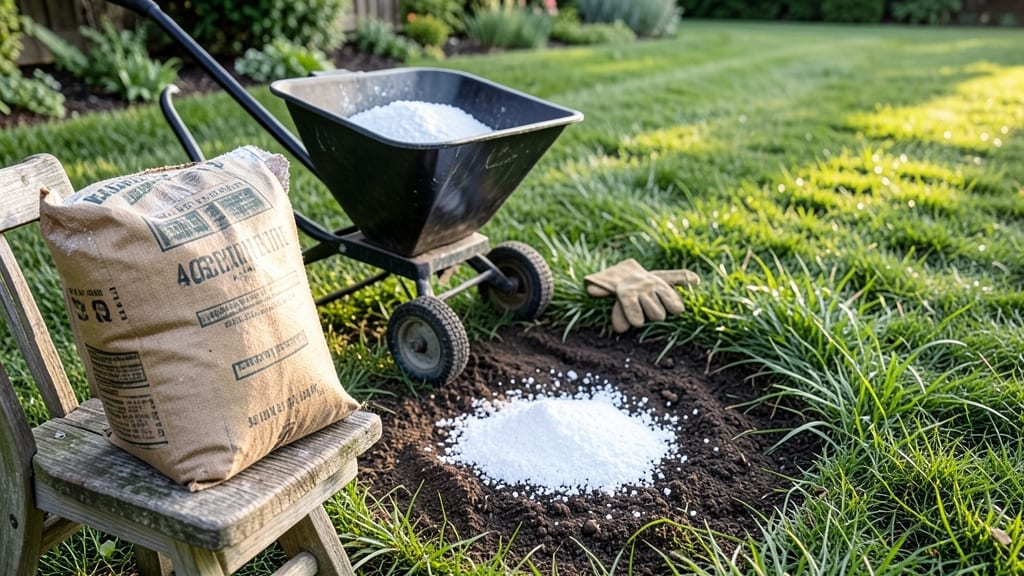
Putting lime in your garden at the right time can transform your soil from acidic to ideal for most plants 🌱 — and timing it wrong can leave your plants struggling for years.
Struggling with yellowing leaves or stunted plant growth? Your soil might be too acidic, but adding lime at the wrong time can actually make things worse. The key is knowing when your garden needs it most.
For general garden beds, early spring or fall is the best window to apply lime, giving it months to adjust the soil pH before planting season. But if you're growing acid-sensitive crops like blueberries, timing matters even more.
Below, I’ll break down the exact seasons, soil tests, and regional factors that determine when to put lime in your garden for the best results.
Best time of year to apply lime for optimal soil pH balance
Getting your garden’s soil pH right is key to healthy plants, and lime application timing makes all the difference. Too acidic soil? Lime can neutralize it—but applying it at the wrong time can burn roots or waste your efforts.
The best windows are early fall and early spring, but climate and plant types play a role too.
Fall is my top choice because cooler temps let lime integrate into the soil before winter dormancy. This gives roots time to adjust before spring growth. Spring works too, but only if you apply it 4-6 weeks before planting to avoid disrupting new growth.
Let’s break down the ideal timing and what to avoid.
| Season | Best Time | Why It Works | Climate Notes |
|---|---|---|---|
| Fall | Late September–October | Lime integrates before winter, avoiding spring planting conflicts | Ideal for northern climates (USDA Zones 3-7) |
| Spring | March–April (before planting) | Adjusts pH before active root growth begins | Best for Mediterranean climates (mild winters) |
| Summer | Avoid (unless emergency) | Risk of root burn from dry, hot conditions | Never apply in drought-prone areas |
| Winter | Avoid (unless frost-free) | Soil microbes are dormant; lime won’t integrate | Exception: Southern climates (Zones 8+) |
For acid-loving plants like blueberries or azaleas, timing matters even more. I recommend testing soil pH in late summer (August) so you can apply lime in fall—this gives roots time to adjust before next year’s growth.
Most gardens thrive at a pH of 6.0–7.0, but blueberries need 4.5–5.5, so lime isn’t the answer for them.
Climate zones also dictate the best approach. In northern regions (like USDA Zone 4), fall application is critical because frozen ground in winter prevents lime from sinking in.
In southern zones (Zone 8+), you can apply lime in early spring or even late winter if the ground isn’t frozen. Always check your local frost dates!
One common mistake is over-liming, which raises pH too quickly and harms plants. To avoid this, I test soil pH every 2–3 years and adjust lime amounts based on results. A simple home test kit (around $10) gives you the data you need.
If your pH is below 6.0, aim for 1–2 lbs of lime per 100 sq ft—but never exceed the recommended rate.
Pro tip: If you’re planting new lawns or gardens, spread lime 2–3 months before seeding to let it fully integrate. For established gardens, fall is still best because it gives roots time to recover before the next growing season. Just remember: lime takes time to work—don’t expect instant results!
Regional variations matter too. In Pacific Northwest rainforests, soil stays acidic year-round, so I apply lime in early spring to counteract natural acidity. Meanwhile, in Midwest prairie soils, fall application helps prevent erosion while adjusting pH. Always tailor your approach to your local conditions.
Finally, avoid applying lime when the ground is frozen, waterlogged, or extremely dry. These conditions prevent proper integration. Stick to cool, moist soil for the best results. With the right timing, lime can transform your garden’s health—just don’t rush it!
How to tell if your garden needs lime: signs and soil tests
If your garden plants are struggling with yellowing leaves, poor growth, or stunted roots, acidic soil could be the culprit. Lime helps raise pH levels, but knowing when to apply it is just as important as knowing if you need it.
Acidic soil often shows up in vegetables like tomatoes and flowers like hydrangeas, which need a balanced pH to thrive. Before reaching for the lime, let’s identify the signs and test your soil properly.
One of the most common visual symptoms of acidic soil is chlorosis, where leaves turn yellow between the veins while the veins stay green. This happens because plants can’t absorb iron and magnesium properly in acidic conditions.
Other red flags include slow growth, weak stems, or poor flowering. If your azaleas or blueberries (which love acidic soil) are thriving while other plants struggle, your soil’s pH might be off balance for the rest of your garden.
🌱 DIY soil tests are a great way to check pH without lab costs. Grab a soil test kit from your local garden center or use a vinegar and baking soda test for a quick estimate.
For a more accurate reading, send a sample to a cooperative extension office. Aim for a pH between 6.0 and 7.0 for most garden plants—below 6.0 signals it’s time to add lime.
⚠️ callout-warningAdding too much lime can raise soil pH too quickly, harming plants that prefer acidic soil (like blueberries or rhododendrons). Always test first—aim for 1-2 lbs of lime per 100 sq ft if pH is below 6.0.
Apply lime in fall or early spring for best results, giving it time to work before planting season.
If your soil test confirms low pH, timing matters. Apply lime 2-3 months before planting to give it time to adjust. For existing gardens, spread lime in early fall so it has time to integrate into the soil before winter dormancy.
Avoid applying lime in summer, as dry conditions can prevent it from working effectively. Always water thoroughly after application to help lime penetrate the soil.
Some plants, like potatoes, cabbage, and carrots, thrive in slightly acidic soil (pH 5.5–6.5), while others, such as tomatoes and peppers, prefer neutral soil (pH 6.0–7.0). If you’re growing a mix, consider testing different areas of your garden, as pH can vary.
For container gardens, use a lime blend for potted plants sparingly—overdoing it can damage roots.
Once you’ve added lime, re-test soil pH in 6 months to monitor changes. Adjust gradually if needed, as drastic shifts can stress plants. Keep a garden journal to track which areas respond best to lime and when you applied it.
With the right approach, your garden’s soil health and plant productivity will improve dramatically. 🌿