
Vegetables
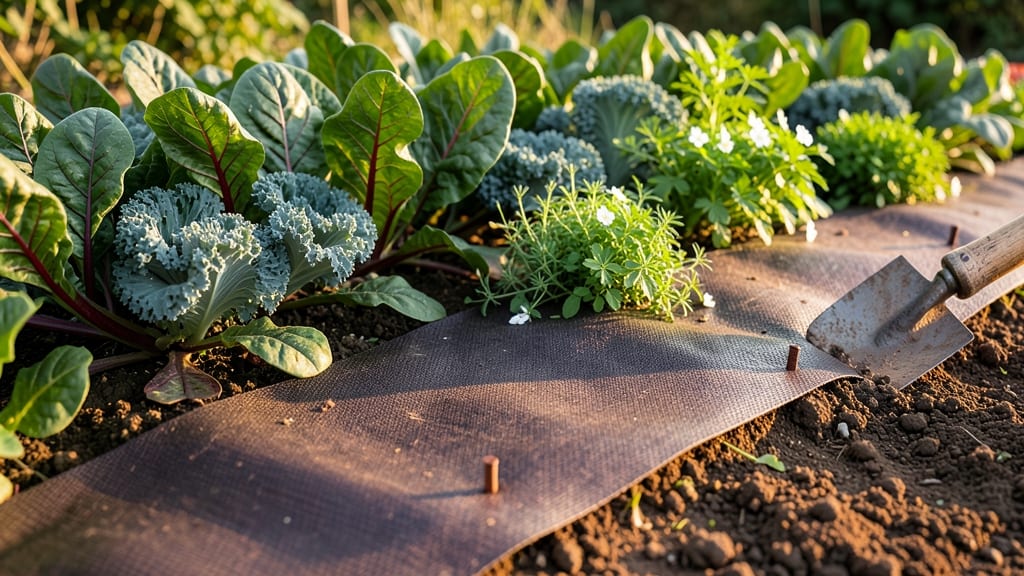
A weed guard for gardens is your secret weapon against invasive weeds that drain soil nutrients and strangle young plants.
Picture this: you’ve just spent hours prepping your garden beds, only to watch weeds pop up faster than you can pull them. That’s where the right weed guard comes in—it blocks sunlight, traps moisture, and keeps your soil healthy without chemicals.
From lightweight fabric barriers to thick mulch mats, these solutions work for everything from vegetable rows to flower beds. They’re not just about stopping weeds—they also make watering more efficient and reduce the need for herbicides.
Below, I’ll break down the best types, how to install them properly, and the mistakes that turn a great tool into a wasted investment. Let’s get started.
How to choose the best weed guard for your garden type
If you've ever spent hours pulling weeds only to see them return the next week, you know how frustrating they can be. The right weed guard can transform your garden by blocking light and nutrients from reaching unwanted plants while preserving your soil's health.
But with so many options—from synthetic fabrics to organic mulch—how do you choose the best one for your specific garden type?
Your garden's needs depend on what you're growing. Vegetable gardens require breathable barriers that allow water and air to reach roots, while flower beds might benefit from decorative yet durable options.
For container plants, lightweight and flexible materials work best. Let's break down the top choices to help you make an informed decision.
| Type | Material | Best For | Durability | Permability | Installation |
|---|---|---|---|---|---|
| Landscape Fabric | Polypropylene | Vegetable gardens, flower beds | 3-5 years | Moderate (allows water) | Moderate (staple edges) |
| Mulch Mats | Jute, coconut fiber | Container plants, flower beds | 1-2 years (biodegradable) | High (breathable) | Easy (lay flat) |
| Cardboard | Recycled paper | Vegetable gardens, new beds | 6-12 months (decomposes) | Low (blocks weeds) | Very easy (cut to size) |
| Geotextile Fabric | Polyester | Long-term beds, pathways | 5+ years | Low (blocks weeds) | Moderate (secure edges) |
For vegetable gardens, I recommend landscape fabric or cardboard. Landscape fabric is durable and allows water to penetrate while blocking weeds. Cardboard is a budget-friendly, biodegradable option that works well for short-term weed suppression, especially when combined with mulch.
If you're focusing on flower beds, mulch mats made from jute or coconut fiber are ideal. They're breathable, allow water to reach roots, and add a natural aesthetic. Plus, they decompose over time, enriching your soil with organic matter.
For container plants, lightweight options like mulch mats or even thick layers of straw work best. These materials are flexible, easy to cut to size, and won't add excessive weight to your pots. Just ensure they don't block drainage holes.
Durability is another key factor. Synthetic options like landscape fabric or geotextile can last 3-5 years, making them great for long-term use. Organic options like cardboard or mulch mats break down faster but are perfect for short-term solutions or eco-conscious gardeners.
Permability matters too. If your plants need consistent moisture, choose a breathable weed guard like mulch mats or landscape fabric with built-in drainage. Avoid heavy plastic sheets, which can suffocate roots and trap moisture, leading to rot.
Ease of installation is often overlooked but crucial. Look for materials that are easy to cut and secure. Landscape fabric requires staples or pins to hold it in place, while mulch mats can often be laid flat and covered with mulch.
For containers, flexibility is key—opt for materials that can conform to the pot's shape.
One common mistake is choosing a weed guard based solely on price. Cheap, thin materials may not last long or effectively block weeds. Invest in quality, especially if you're protecting high-value plants like tomatoes or roses.
A little upfront cost can save you time and frustration in the long run.
Finally, consider combining weed guards with other suppression methods. For example, layering cardboard under landscape fabric or adding a thick layer of mulch on top can enhance weed control. This multi-step approach ensures no weeds slip through the cracks.
Ready to transform your garden? Pick the right weed guard for your specific needs, and you'll spend less time pulling weeds and more time enjoying your thriving plants. Happy gardening! 🌱
Step-by-step guide: installing weed guards for maximum effectiveness
Installing a weed guard is one of the most effective ways to keep your garden beds weed-free while preserving soil moisture and nutrients. The key lies in proper preparation and precise installation—skipping steps often leads to gaps where weeds thrive.
I’ve found that combining a landscape fabric or mulch mat with organic mulch delivers the best long-term results.
Before you begin, clear the area of existing weeds and debris. Use a garden rake to level the soil and remove any large rocks or roots that could poke through the weed guard later. This step ensures your barrier stays intact and works efficiently for the entire growing season.
For container gardens, use a pre-cut weed guard designed for pots or line the bottom with a thin layer of fabric before adding soil. This prevents weeds from invading through drainage holes while keeping roots healthy. I’ve seen containers stay weed-free for entire seasons with this method!
Pro tip: If you’re planting shallow-rooted veggies like lettuce or radishes, leave small openings in the fabric where you’ll place seeds or seedlings. This ensures roots can access the soil while still blocking weeds from surrounding areas. Just cover the openings with mulch afterward.
With the right installation, your weed guard can last 2-5 years depending on the material. Combine it with regular mulching, and you’ll spend far less time pulling weeds and more time enjoying your garden’s bounty. Happy planting! 🌱