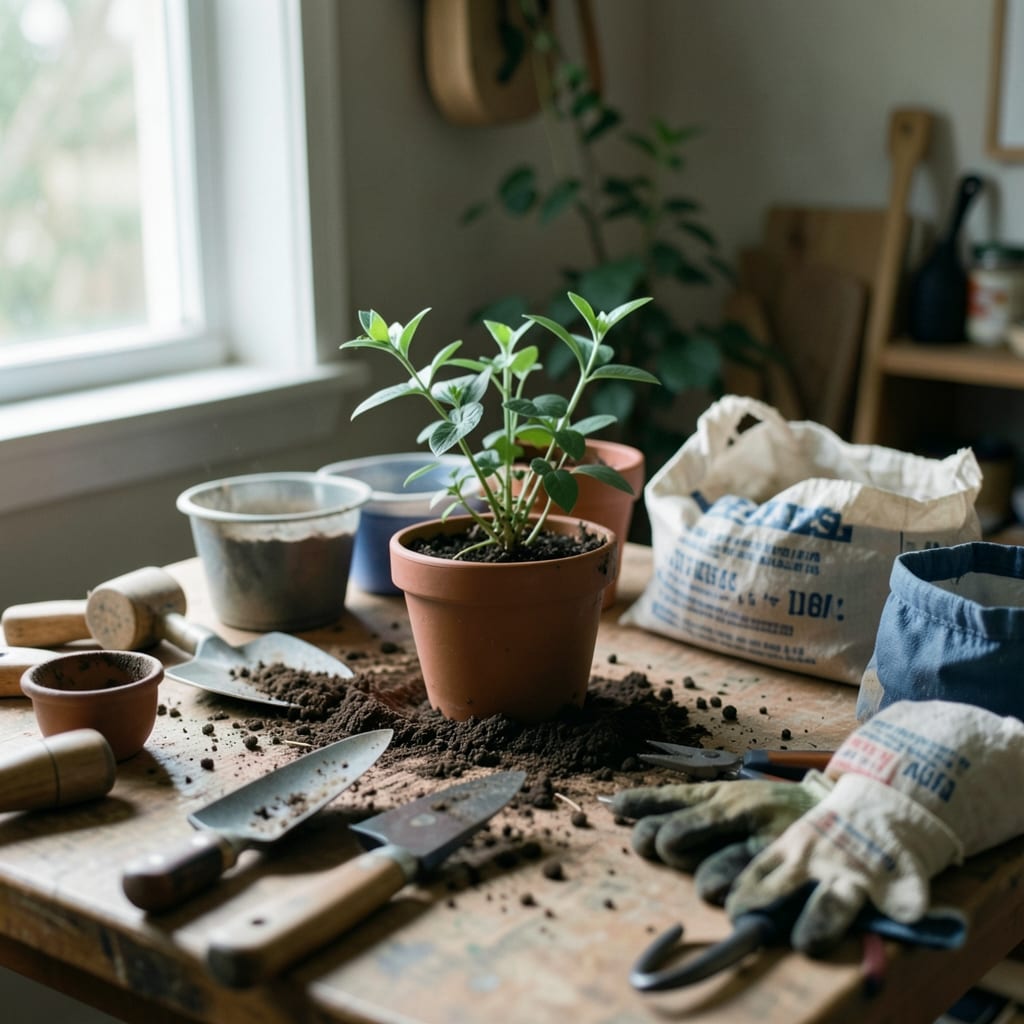
Why I started Garden Story
I was sixteen and had just convinced my parents to let me turn the patch of dead grass behind our apartment into a garden.
My grandpa had given me a handful of tomato seeds—‘These are the real ones,’ he said, ‘not the store kind’—and I planted them with the seriousness of someone who knew what they were doing.
Three weeks later, the seedlings sprouted, but instead of the sturdy green plants I’d imagined, they leaned toward the sun like drunkards, their stems bending under their own weight. I’d forgotten to stake them.
That summer, I learned two things: soil remembers how you treat it, and no one tells you the hard parts.
Years later, I still see that same mix of excitement and frustration in new gardeners—the ones who Google ‘why my basil is yellow’ at midnight, or who ask me, ‘Why did my zucchini flowers fall off?’ without realizing the bees had already done their job. *Garden Story* is for them.
No gardening degree required. Just dirt, seeds, and the kind of honest advice that doesn’t pretend every plant will thrive the first time. This is where the mistakes get named, the fixes get tested, and the soil—well, the soil gets a second chance.
Meet the founder
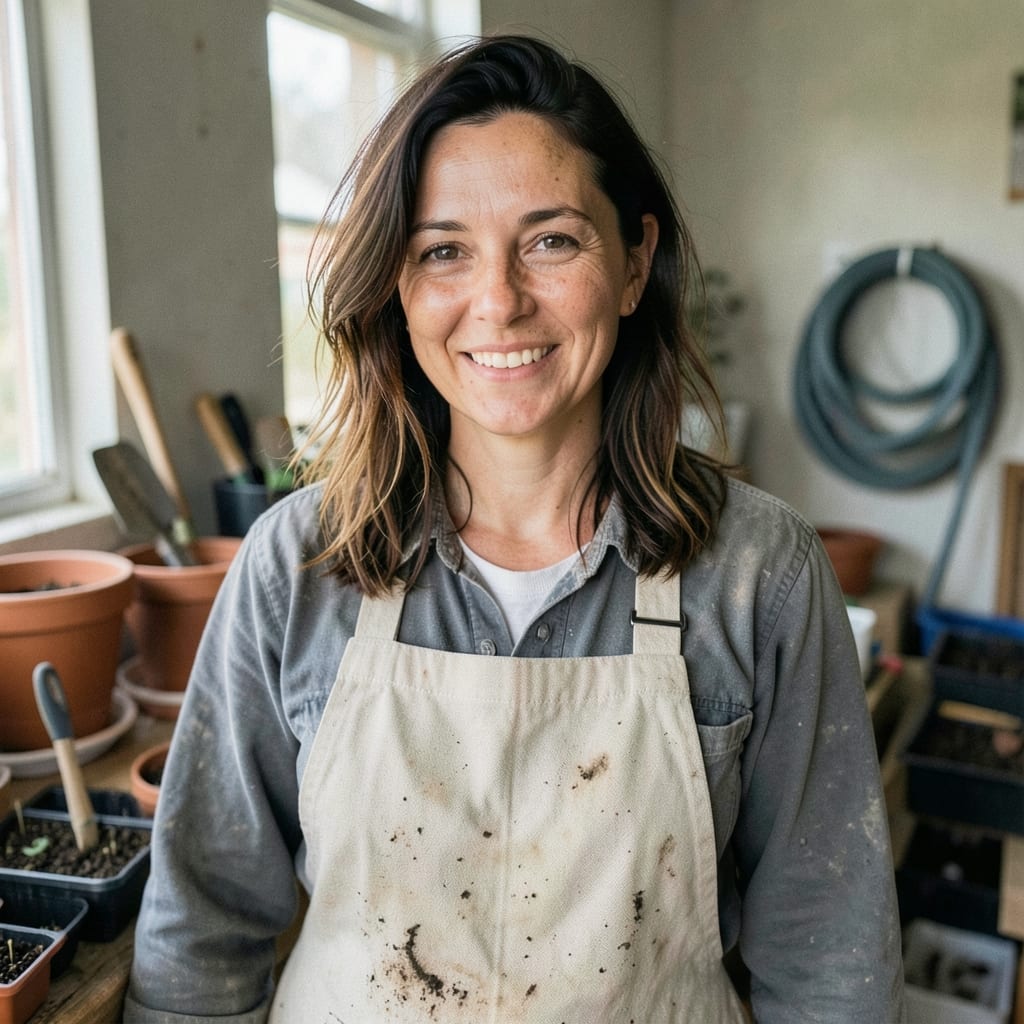
My grandpa’s voice is the first thing I think of when I write about gardening.
He’d kneel in the dirt with me, his calloused hands brushing away the soil to show me the roots of his pepper plants. ‘See that?’ he’d say, pointing to a gnarled stem. ‘That’s where the magic happens.’ I was too young to understand, but I memorized the way his fingers traced the lines of a seedling like it was a map.
Now, when I describe how to prune a tomato plant or why your lettuce bolts in the heat, I’m still hearing him say, ‘Watch the leaves first.’
The only tool I’ve ever owned that’s still in use is the rusted trowel he gave me that same summer. It’s missing its handle now—the wood rotted years ago—but I keep the blade in a jar of motor oil on my desk.
Sometimes, when I’m editing a post about soil pH, I pull it out just to feel the weight. It’s a reminder that gardening isn’t about perfection; it’s about what grows *despite* you.
The year I killed my first batch of seedlings was the year I learned to compost. I’d read that compost tea was a miracle cure, so I dumped a bucket of it onto my wilting basil plants. Three days later, they were brown and limp.
My neighbor, an old woman who grew roses in her front yard, saw me pulling them up in frustration. ‘You can’t feed a plant that’s already starving,’ she said. ‘Start with the soil.’ That’s the rule I break most often—and the one I always come back to.
I talk to my plants. Not in a ‘hey, little guy’ way, but in a ‘you’re doing great, just hold on’ way.
It’s a habit I picked up from my grandpa, who’d mutter to his tomatoes like they were listening. (They might be.) I know it sounds odd, but I’ve seen enough wilting leaves saved by a word of encouragement to believe it helps.
Maybe it’s the voice that matters, not the words.
Meet the mascot

The first sketch of what would become *Garden Story*’s mascot was drawn on a napkin at a café in Portland, Oregon. I was waiting for a friend and doodling in the margins of my notebook when a tomato vine caught my eye through the window.
It was tangled around a trellis, its leaves curling at the edges—probably from too much sun. I started scribbling a plant with too many stems, like it was trying to decide which way to grow. The first version had six leaves and a face that looked more confused than cheerful.
The proper drawn version came later, on a legal pad in my apartment. I simplified the vine into three main stems, each holding a different leaf shape—one broad like a basil leaf, one jagged like a pepper, and one curled like a struggling tomato.
The face stayed, but I gave it a wider grin, like it was in on the secret that gardening is equal parts frustration and triumph. The original napkin sketch is still pinned to my fridge, just to prove I don’t always get it right the first time.
The final version had to fit inside a browser tab, so I cut everything that wasn’t essential: the extra stems, the soil lines, even the mascot’s shoes (it’s a plant, not a hiker).
What remained was a single vine with three leaves, a face that tilts slightly to one side, and a name I stole from my grandpa’s favorite tomato variety: *‘Sunny’s Surprise.’* It’s not fancy, but it’s the one that remembers how to grow.
What I promise you
You’ll never see a post here that says ‘just add water’ without explaining *why* that water should be warm, cool, or rainwater—and what happens if you get it wrong.
What you can hold me to
- Every plant problem here has a ‘what went wrong’ section—no guesswork.
- Seasonal planting guides include the *actual* last frost dates for three U.S. zones (and how to adjust if you’re outside them).
- Tool recommendations name the cheapest version that works, not the most expensive.
- Photos are labeled with what you’re *supposed* to see, not just what looks pretty.
How I create a post
A post starts in the dirt—or at least, with a question someone asked me.
Maybe it’s ‘Why is my mint taking over?’ or ‘How do I save a tomato plant with blight?’ I dig into the problem the same way I’d dig into the soil: by turning over the obvious answers first.
If I don’t have the answer, I grow something myself, make mistakes, and write about what I learn. The best posts are the ones where the reader can say, ‘I did that too,’ and then see how to fix it.
The first step: watching the soil
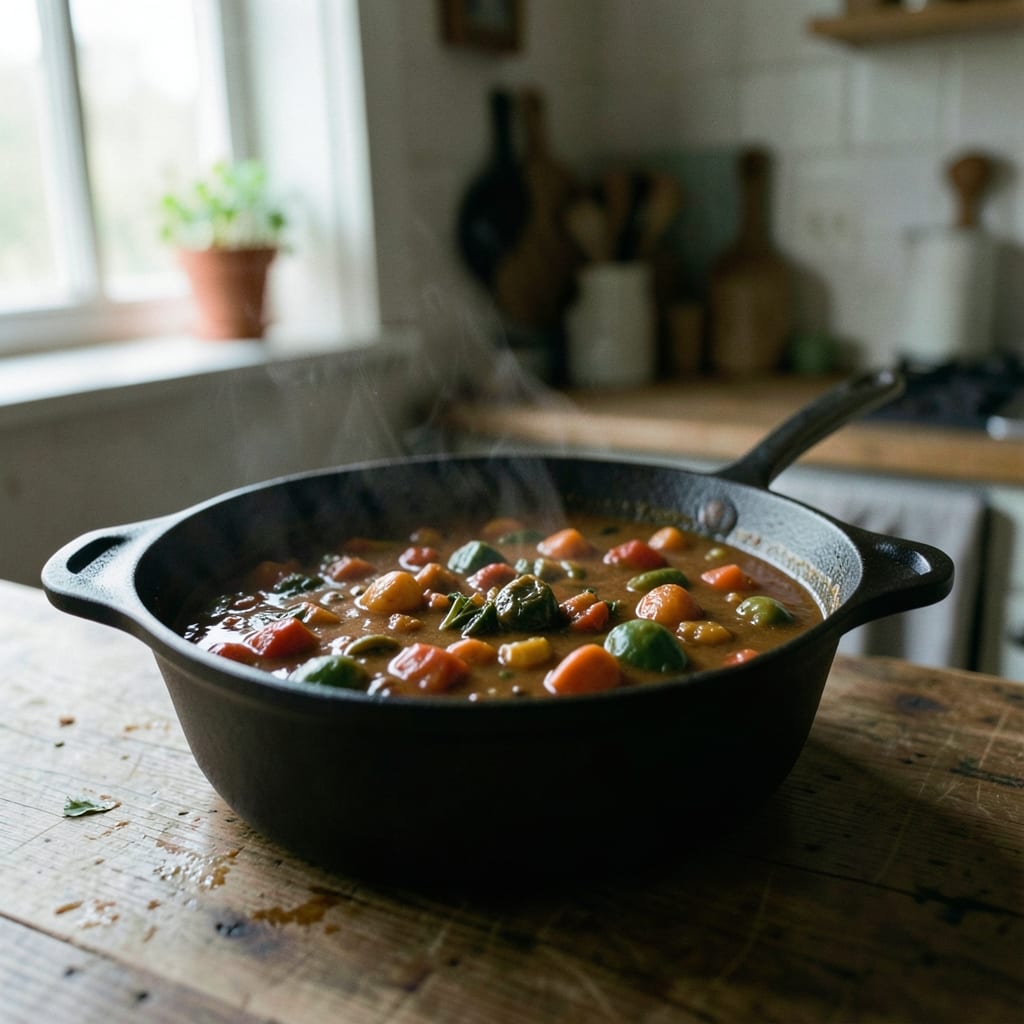
The first thing I do with any plant is press my thumb into the soil around its base. If it springs back, the roots are thirsty. If it stays dented, the soil is too compacted.
I water only if the top inch is dry, and never on a schedule—plants don’t follow calendars. I check for pests by running my fingers over the leaves, not by spraying anything. The moment I see yellowing or wilting, I stop and ask: *Is it too much sun? Too little?
Or is the plant just tired?*
Time matters here, but not in the way you’d think. Seedlings need light for 14–16 hours a day, but if you give them direct sun for 12 hours straight, they’ll scorch.
I use a timer for my grow lights, but I set it to turn on at dawn and off at dusk, not at arbitrary hours. The soil tells me more than any clock ever could: if it’s dry by mid-morning, the plant is drinking too much.
If it’s still damp by afternoon, it’s not getting enough air. No shortcuts.
The second step: fixing what’s broken
If the leaves are curling, I check the undersides for mites before I water. If the stems are soft and black, I pull the plant out and look for the rot before I even think about fertilizing.
The fix isn’t always obvious—sometimes it’s a matter of moving the plant to shade, sometimes it’s adding a handful of sand to heavy soil. I never use a product unless I’ve tried adjusting the environment first. And if the plant is beyond saving?
I compost it, roots and all, and write down what I’d do differently next time.
The only rule I don’t break is this: *No plant is a failure until you’ve tried changing one thing.* Even my grandpa’s ‘perfect’ tomatoes had years where the blight got them all.
He’d just shrug and say, ‘Next year’s soil will remember.’ I still compost the failed ones, but I always note what worked—and what didn’t—in the post. Because the next gardener might need that.
How a post gets onto this site
Every post starts as a scribbled note on a seed packet or the back of a gardening catalog. I’ll jot down a tip mid-conversation with a neighbor or after I’ve pulled a weed and realized it was actually a volunteer tomato.
The first draft is always messy—half questions, half answers, with a margin full of ‘???’ marks where I’m not sure. I rewrite it on my laptop, but I keep the handwritten notes pinned to my desk until the post is live.
The contact page is where I send the questions I can’t answer yet.
Write to me
I love hearing about the plants that outsmarted you, the weeds that turned into dinner, or the gardening myths you’ve proven wrong. Send me a photo of your ‘ugly’ vegetable—the ones that didn’t turn out as planned but still tasted good.
Or tell me about the tool you swear by (or the one you’d ban forever). The contact page is where to send it. And if you’re reading this because you’re about to dig your first hole? Welcome. The soil’s been waiting for you.
The guides are grouped by category: Blooming, Fertilization, How To, Landscaping, Light Requirements and Picking.