
Tools
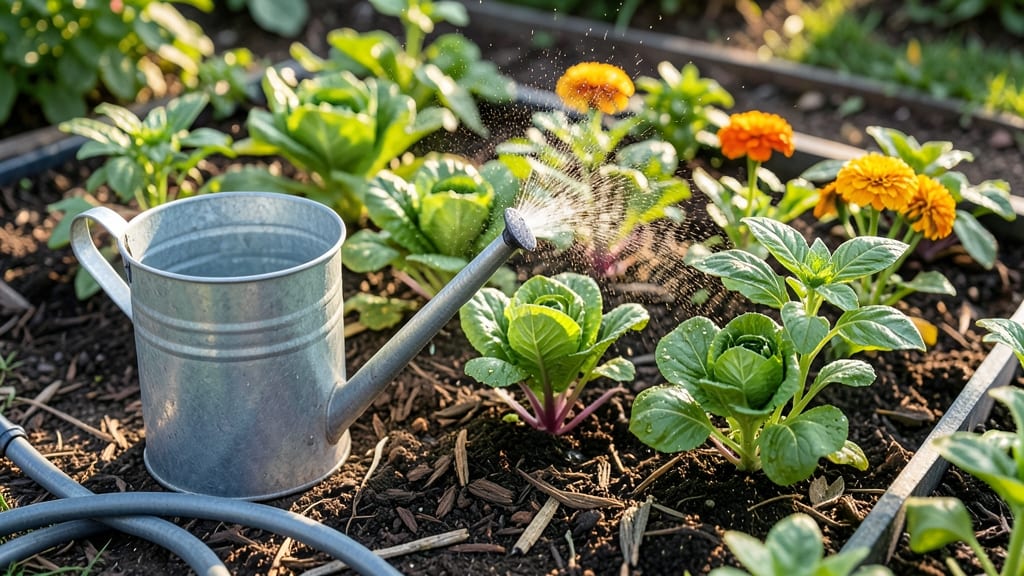
Watering a garden bed efficiently is all about delivering the right amount of moisture directly to the roots—without waste or guesswork.
Struggling to keep your garden beds hydrated without wasting gallons of water? The right drip irrigation system can transform your watering routine—saving time, money, and up to 50% more water than traditional methods.
Most gardeners overwater because they don’t know how deep roots actually need to go. A smart drip system changes that by targeting water where it matters most, reducing evaporation, and even adapting to different soil types.
In this guide, you’ll discover how to choose the best system for your garden, set it up like a pro, and avoid common mistakes that waste water and stress your plants.
How smart drip irrigation systems work for garden beds
If you've ever struggled with uneven water distribution or wasted gallons of water from overhead sprinklers, a smart drip irrigation system might be your game-changer. These systems don't just water your garden—they deliver water directly to the roots where plants need it most, reducing waste and boosting efficiency.
Unlike traditional methods, drip irrigation mimics nature by providing a slow, steady supply of moisture, which helps prevent runoff and fungal diseases caused by wet foliage.
The science behind drip irrigation is simple yet powerful: low-pressure water flows through a network of tubes with tiny emitters placed near plant bases. This targeted approach ensures 90% water efficiency, meaning less water is lost to evaporation or overspray.
For garden beds, this translates to healthier plants, fewer weeds (since water doesn’t spread everywhere), and less time spent hand-watering. Plus, you can automate the system to run on a timer, making it perfect for busy gardeners or vacation schedules.
One of the biggest advantages of drip systems is their adaptability to soil types. Whether your garden bed has sandy soil that drains too quickly or clay soil that holds too much moisture, drip irrigation can be adjusted.
For example, sandy soils may need more frequent, shorter watering cycles, while clay soils benefit from longer, deeper soaks. The emitters can be spaced closer together for thirsty plants like tomatoes or farther apart for drought-tolerant succulents, giving you precise control over water distribution.
Let’s break down how these systems work in practice with a quick comparison of key features:
The emitters in a drip system are the stars of the show. They release water at a slow, consistent rate, which is crucial for deep root growth.
For example, a tomato plant with a deep root system benefits from emitters placed at the base, while shallow-rooted herbs like basil might need multiple emitters spaced around the plant. Some systems even allow you to customize flow rates, so you can tailor watering to each plant’s needs.
This precision ensures that your garden beds get the right amount of water without over- or under-saturating the soil.
Another clever feature of smart drip systems is their ability to reduce evaporation. Since water is delivered directly to the soil surface, less moisture escapes into the air compared to overhead sprinklers.
This is especially valuable in hot climates or during dry spells, where traditional watering methods can lose up to 50% of water to evaporation. By keeping the soil consistently moist but not soggy, drip irrigation also discourages pests like slugs and snails, which thrive in damp conditions.
For gardeners with different soil types, drip irrigation offers flexibility. In sandy soils, which drain quickly, you can use emitters with higher flow rates or add a reservoir system to hold water near the roots.
In clay soils, which retain moisture, you can space emitters farther apart and use lower flow rates to prevent waterlogging. Some advanced systems even include soil moisture sensors that adjust watering based on real-time data, ensuring your plants get exactly what they need, when they need it.
Installing a drip system is simpler than you might think, and it starts with planning. Begin by mapping out your garden bed and identifying the water needs of each plant. Group plants with similar water requirements together to simplify your setup.
For example, place thirsty vegetables like peppers and cucumbers near the main water line, while drought-tolerant plants like lavender can be placed farther away. Use polyethylene tubing to create a loop around your garden, with branches leading to each plant.
The tubing should be buried slightly or covered with mulch to protect it from sunlight and pests.
Once your tubing is in place, attach emitters at the base of each plant. For larger plants, you might need multiple emitters to ensure even coverage. Connect the system to a water source and test it before fully committing.
Start with short watering cycles to check for leaks or uneven flow, then adjust as needed. Many systems include a pressure regulator to ensure consistent water flow, even if your water pressure fluctuates. With a little trial and error, you’ll find the perfect setup for your garden bed.
One of the most exciting aspects of smart drip irrigation is the ability to automate your watering schedule. Modern systems often come with programmable timers or even weather-based controllers that adjust watering based on rainfall or temperature. This means you can set it and forget
Top 5 drip irrigation systems for water-efficient garden beds
Choosing the right drip irrigation system for your garden beds can make all the difference in water conservation and plant health. These systems deliver water directly to roots, reducing waste and saving you time.
Whether you have a small herb garden or a large vegetable plot, the perfect system depends on your garden size, budget, and specific plant needs.
I’ve tested and compared the top options to help you find the best fit. From pressure-compensating systems to easy-to-install kits, each system offers unique benefits. Let’s dive into the details to help you make an informed choice that aligns with your gardening goals.
The Netafim Drip Irrigation system takes the top spot for its professional-grade quality and clog-resistant design. It’s ideal for larger gardens or commercial use, offering 150 feet of coverage and precise water control. If you’re serious about maximizing water efficiency, this system is worth the investment.
For smaller gardens or beginners, the Gardeners.com Drip Irrigation kit provides excellent value. It includes a built-in timer and covers 30 feet, making it perfect for herb gardens or raised beds. Its affordability and ease of use make it a favorite among new gardeners.
If you need a balance between performance and price, the DIG Corporation Drip Kit is a standout. Its self-regulating emitters ensure even water distribution, and the 80-foot coverage makes it versatile for medium-sized plots. It’s also highly durable, reducing the need for frequent replacements.
Don’t overlook the Orbit B'hive 5000 for its pressure-compensating technology, which ensures consistent water flow even on uneven terrain. With 100 feet of coverage and compatibility with timers, it’s a great choice for sloped gardens or larger vegetable beds.
Lastly, the Rain Bird Drip Irrigation Kit is perfect for those who prioritize ease of installation. Its adjustable emitters allow you to customize water flow for different plants, and the 50-foot coverage suits smaller to medium-sized gardens. It’s a reliable option for gardeners who want simplicity without sacrificing performance.
No matter which system you choose, you’ll enjoy water savings, healthier plants, and less time spent watering. Start small, experiment with different setups, and watch your garden thrive with minimal effort! 💧