
Blooming
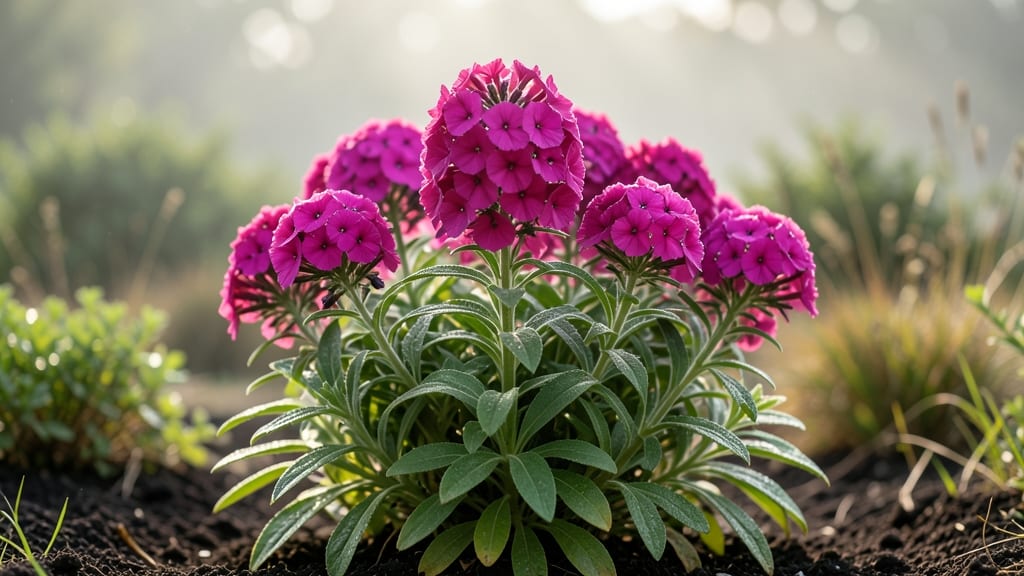
Garden phlox blooms from late spring through early fall 🌸, but the exact timing depends on your variety and climate zone.
If you’ve ever wondered why your garden phlox flowers seem to fade too quickly—or how to coax longer blooms—understanding their precise bloom stages is the key.
In USDA Zone 6, where many gardeners plant phlox in March or April, the first buds typically appear in May, with peak color lasting through July and August. Later varieties can extend blooms into September, especially with the right care.
Here’s how to recognize each bloom stage, adjust for your region, and keep those vibrant clusters blooming for weeks longer than usual.
Garden phlox bloom time by variety: when to expect peak color
Garden phlox (Phlox paniculata) is one of my favorite perennials for its vibrant summer blooms and long-lasting color. But not all varieties bloom at the same time—some burst into color as early as late June, while others wait until mid-August.
Understanding these differences helps you plan your garden for continuous summer color and avoid disappointing gaps in your flowerbeds.
Phlox bloom times also shift based on your USDA hardiness zone. In cooler zones (3–5), blooms may start 2–3 weeks later than in warmer zones (7–9).
For example, David phlox in Zone 5 might peak in early August, while the same variety in Zone 8 could bloom by late July. Let’s break down the most popular varieties and their ideal bloom windows to help you time your garden perfectly.
| Variety | Primary Bloom Months | USDA Zone Range | Color Spectrum | Average Bloom Duration |
|---|---|---|---|---|
| David Phlox | July–August | 3–8 | Deep pink to purple | 4–6 weeks |
| Border Phlox | June–July | 4–9 | White to lavender | 3–5 weeks |
| Drummond Phlox | May–June | 5–9 | Red, pink, or white | 2–3 weeks |
| Wild Blue Phlox | April–May | 3–8 | Blue to violet | 3–4 weeks |
| Garden Phlox (Hybrid) | July–September | 4–9 | Multi-color blends | 6–8 weeks |
Pro Tip: Deadhead weekly to extend bloom time by 2–4 weeks for most varieties.
If you’re in USDA Zone 3 or 4, expect phlox blooms to start 1–2 weeks later than the table suggests. For example, Border phlox in Zone 4 might not peak until early July instead of June.
In Zones 7–9, blooms often arrive earlier, so you can pair Drummond phlox (early) with David phlox (late) for a seamless transition from spring to fall.
For longer bloom seasons, mix varieties like Wild Blue phlox (spring) with Garden phlox hybrids (summer). This creates a staggered bloom effect that keeps your garden vibrant from April through September.
I’ve found that adding catmint or lavender nearby also attracts pollinators, which can encourage phlox to rebloom later in the season.
One common mistake gardeners make is assuming all phlox bloom at the same time. Drummond phlox, for instance, is a spring bloomer and often fades by June, while David phlox shines in high summer.
Planting them together without planning can leave you with a mid-summer lull in color. To avoid this, map out your garden with bloom times in mind—think of it like a garden calendar!
For cooler climates (Zones 3–5), consider hardy varieties like Wild Blue phlox or Border phlox, which tolerate early frosts better than tender types.
In warmer zones (6–9), you can push the limits by planting David phlox near a morning sun, afternoon shade spot to prevent wilting during peak heat. This simple adjustment can extend blooms by 10–14 days.
Finally, don’t forget that soil health plays a role in bloom timing. Phlox thrives in well-draining, slightly acidic soil (pH 6.0–7.0). If your soil is too alkaline, blooms may arrive later and be less vibrant.
Amend with compost or peat moss in early spring to give your phlox the best start. A little extra care here can make a noticeable difference in both timing and color intensity.
With these variety-specific bloom windows in mind, you can now strategically place phlox in your garden to ensure a non-stop summer show. Whether you’re a beginner or a seasoned gardener, timing is everything—and phlox rewards patience with months of stunning color.
Month-by-month phlox bloom stages: how to maximize flowering
Garden phlox transforms summer gardens with its fragrant clusters, but their bloom cycle follows a predictable pattern. Understanding these stages lets you extend flowering and prevent early fade.
The journey starts in early summer with bud formation and peaks in mid-summer with vibrant blooms—if you give your plants the right care at each stage.
Each phlox stage demands specific attention. Bud formation requires balanced nutrients, while peak bloom thrives on consistent moisture. The final stage—fade and rebloom—depends on your pruning skills.
Let’s break down what to watch for each month and how to keep your phlox looking its best from June through September.
Watch for tight green buds forming along stems.
Action: Ensure 6+ hours of sunlight; avoid high-nitrogen fertilizer to prevent leafy growth over blooms.
Flower clusters open fully, filling the air with fragrance.
Action: Deadhead spent blooms weekly; apply mulch to retain moisture. Watch for powdery mildew in humid climates—space plants for airflow.
Blooms wilt and stems may look tired.
Action: Prune ⅓ of stems after first bloom to encourage a second flush. Add phosphorus-rich compost to support root strength for next year.
During bud formation, phlox needs consistent moisture but not soggy soil. I’ve found that watering deeply twice weekly in dry spells keeps buds plump and healthy.
If your garden gets less than 6 hours of sun, supplement with a grow light for 2–3 hours daily—this prevents leggy stems and weak buds.
At peak bloom, phlox demands your attention to prevent disease. I always deadhead weekly using clean pruners to remove faded flowers. This isn’t just about looks—it redirects the plant’s energy to new blooms instead of seed production.
Pair this with a 2-inch layer of mulch to lock in moisture and keep roots cool.
When blooms begin to fade in late summer, don’t rush to cut everything back. David phlox varieties often reward patience with a second bloom cycle if you prune strategically. After the first flush, I cut back one-third of the tallest stems to encourage bushier growth.
This works best if you also fertilize lightly with phosphorus to support root development.
One common mistake is over-fertilizing during bloom. Too much nitrogen leads to leafy growth at the expense of flowers. Instead, switch to a low-nitrogen, high-phosphorus fertilizer (like 5-10-10) to promote more blooms. I’ve seen phlox rebloom for 6–8 weeks total when cared for this way—double the usual duration!
For humid climates, powdery mildew is the biggest threat during peak bloom. To prevent it, I space plants 18–24 inches apart and water at the base of the plant (never overhead).
If you spot white powder on leaves, treat immediately with neem oil or a baking soda spray (1 tsp baking soda + 1 quart water + a drop of dish soap).
By recognizing these stages and adjusting your care, your garden phlox will bloom longer and look healthier year after year. The key is consistency—sunlight, deadheading, and smart pruning make all the difference. 🌿