
Light Requirements
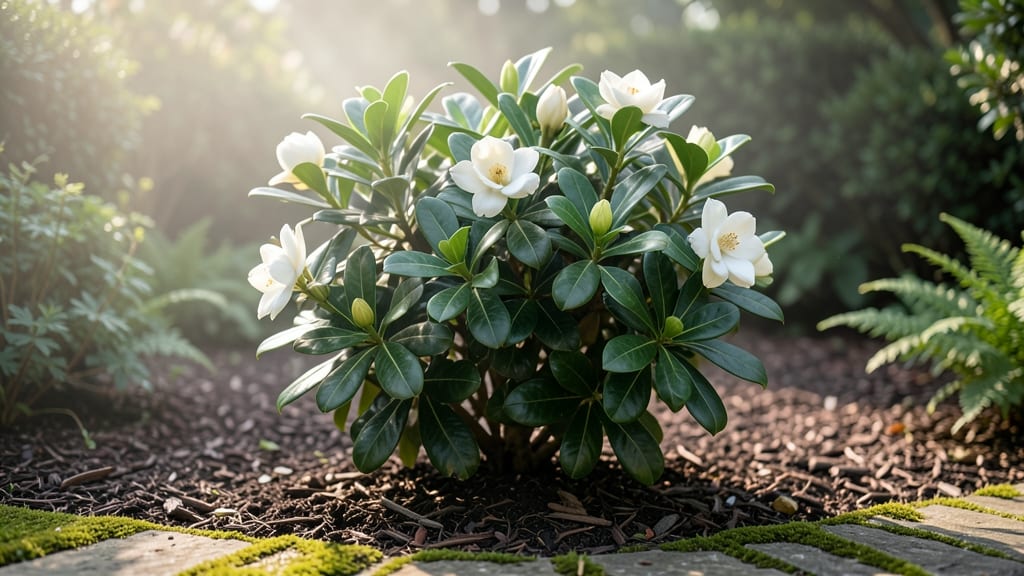
Optimal sunlight requirements for frost-proof gardenias: morning sun vs. afternoon heat
Gardenias are prized for their fragrant blooms and glossy foliage, but their sunlight needs are often misunderstood—especially when aiming for frost-proof resilience. Unlike tropical natives, frost-resistant varieties thrive in filtered sunlight rather than harsh midday rays.
The key lies in balancing morning sun with afternoon shade to prevent heat stress while ensuring enough energy for winter survival.
In USDA Zones 7-11, gardenias need 4-6 hours of sunlight daily, but the timing matters more than duration. Morning sun builds energy without scorching leaves, while afternoon shade prevents heat exhaustion—critical for frost-hardy varieties.
Without this balance, your gardenia may struggle to recover from winter chill or produce fewer blooms.
Here’s how sunlight exposure varies by climate zone and season, along with actionable adjustments to keep your gardenia thriving year-round.
| Sunlight Scenario | USDA Zones | Daily Sun Hours | Best Placement | Winter Adjustments |
|---|---|---|---|---|
| Morning Sun + Afternoon Shade | 7-9 | 4-5 hours | East-facing border or dappled shade (e.g., under tall trees) | Add burlap shade cloth (30%) in peak summer |
| Partial Shade (Indirect Light) | 10-11 | 3-4 hours | West-facing patio with lattice screen or trellis | Move to sheltered microclimate (e.g., near south-facing wall) |
| Full Morning Sun (No Afternoon Heat) | 8-9 (Coastal) | 5-6 hours | Southwest corner with reflective mulch (e.g., white gravel) | Mulch with pine straw (3-4 inches) for insulation |
| Filtered Sun (Tropical Microclimate) | 10+ | 2-3 hours | Under palm fronds or broadleaf trees | Prune to open canopy for airflow in winter |
For USDA Zone 7, where frosts are frequent, prioritize morning sun to jumpstart growth in spring. Place your gardenia near a south-facing wall or under a partial shade tree (like a Japanese maple) to capture warmth without overheating.
In Zone 11, where afternoon heat is intense, opt for dappled shade or a lattice screen to diffuse sunlight.
Seasonal adjustments are critical. In winter months (November–February in Zones 7–9), reduce direct sun exposure by 30-50% using shade cloth or moving potted gardenias to a protected porch. This mimics their natural tropical shade preferences while preventing winter burn from reflected sunlight on snow.
If your gardenia shows signs of heat stress (yellowing leaves, dropped buds), it’s likely getting too much afternoon sun. Trim nearby branches to create natural shade or install a permanent shade sail angled to block peak hours (1 PM–4 PM).
In Zone 10-11, where frost is rare, focus on circulation—prune to improve airflow and reduce humidity around foliage.
Pro tip: Use a soil thermometer to monitor root-zone temperatures. Gardenias prefer 60–75°F soil; if it rises above 80°F, even briefly, roots may suffer. Mulch with cedar chips to insulate roots and retain moisture, especially in Zone 7-8 where frost heaves can damage shallow roots.
For container gardenias, choose glazed pots to reflect excess heat and elevate them on feet to prevent waterlogging. In Zone 9b, where light frosts occur, wrap the pot in burlap and bury it halfway in the ground for added insulation.
This mimics the moist, shaded forest floors where gardenias originally thrived.
Remember: Frost-proof gardenias aren’t heat-proof. The goal is balanced sunlight—enough to fuel blooms but not so much that it stresses the plant before winter. With these adjustments, your gardenia will reward you with year-round fragrance and resilience against frost.
Heat tolerance zones for year-round gardenia blooms: can they survive winter?
Gardenia plants thrive in warm climates but struggle when temperatures dip below 30°F (-1°C). Their heat tolerance zones (USDA 9-11) determine how well they handle seasonal shifts. In colder regions like USDA 7-8, gardenias need extra care to survive winter—like protective mulching and strategic sunlight adjustments.
Understanding your zone-specific requirements is critical. Gardenias in Zone 9b+ can bloom year-round with minimal fuss, while those in Zone 7-8 require frost-proofing techniques. The key? Balancing sun exposure and microclimate protection to mimic their native tropical conditions.
In USDA Zone 7, gardenias need partial shade during winter months to prevent leaf scorch. Use lightweight frost cloth or a mini greenhouse for young plants. Mature gardenias in Zone 8 can handle 3-4 hours of morning sun but avoid harsh afternoon rays when temperatures drop.
For Zones 9-11, gardenias love full morning sun (4-6 hours) but retreat to shade by 10 AM to avoid heat stress. In these zones, mulching with pine bark keeps roots cool and retains moisture. Always ensure well-draining soil to prevent root rot from winter rains.
Protective strategies like burlap wraps or container gardening work well in colder zones. Move potted gardenias to a garage or shed when temps drop below 40°F (4°C). For in-ground plants, pile mulch 4-6 inches deep around the base to insulate roots.
With the right zone-specific care, your gardenia can bloom beautifully year-round—even in frost-prone areas. Start by adjusting sunlight exposure and layering protective mulch. Your fragrant gardenia will thank you with vibrant blooms from spring to fall! 🌸