
Tools
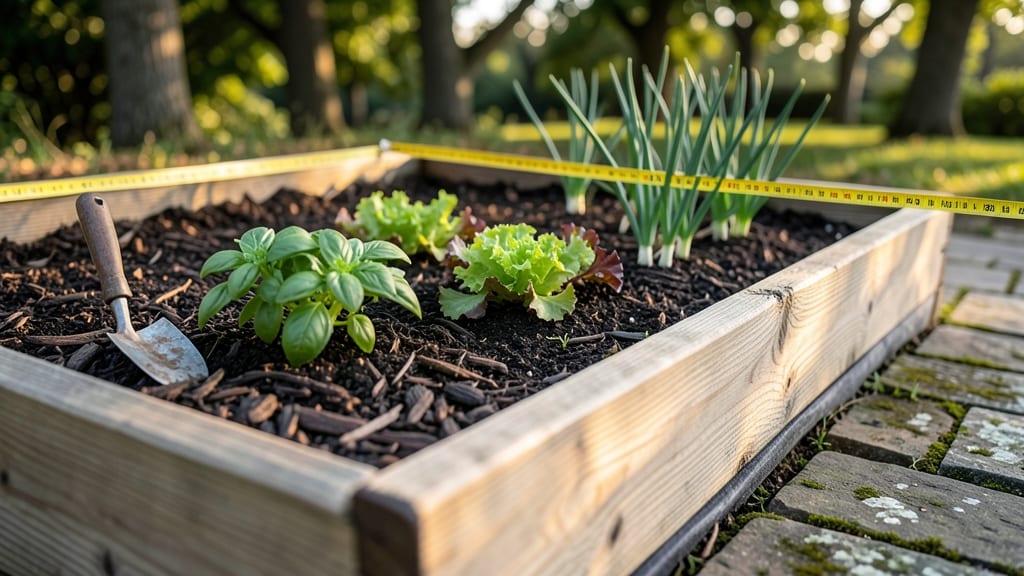
Getting your garden bed width right is the difference between a thriving harvest and a frustrating mess of crowded plants and wasted space.
Picture this: You’ve spent hours prepping soil, selecting seeds, and dreaming of that perfect garden—only to realize your beds are too narrow for proper reach or too wide for efficient weeding. That’s why 30 to 48 inches is the magic range for most gardeners, balancing accessibility, airflow, and yield.
Whether you’re designing a raised bed for herbs, a sprawling veggie plot, or a cozy flower border, the width you choose affects everything from plant spacing to how easily you can tend to your 🌱 without straining your back.
Too narrow, and you’ll struggle to reach the center; too wide, and weeds will take over before you can get to them.
In this guide, I’ll break down the science behind ideal widths, how to adjust for your garden goals, and common mistakes that even experienced gardeners make—so you can design beds that work as hard as you do.
Optimal garden bed width for easy reach and plant spacing
Getting your garden bed width right transforms your garden from a chaotic mess into a well-organized, high-yielding space. The standard 30–48 inch width isn’t arbitrary—it’s based on human reach, plant spacing science, and weed control.
When I first started gardening, I ignored these dimensions and ended up with overcrowded beds and backaches from stretching too far. Let’s fix that!
Research shows that 36 inches is the sweet spot for most gardeners—it allows you to reach the center of the bed without stepping on the soil, which compacts it and invites weeds.
But what if you’re shorter or taller? Or if you’re growing tall plants like sunflowers? We’ll cover all that and more, including how to adjust for different body types and garden layouts.
Here’s the science-backed breakdown: narrower beds (24–30 inches) work well for small spaces or raised beds, while wider beds (48–60 inches) can accommodate larger plants but require more maintenance. The key is balancing accessibility, airflow, and plant health—not just squeezing in as many plants as possible.
| Bed Width (inches) | Best For | Reach Accessibility | Plant Spacing Notes |
|---|---|---|---|
| 24–30 | Small gardens, raised beds, kids | Easy reach for most adults | Ideal for leafy greens, herbs, and small veggies like radishes |
| 36 | Standard for most gardeners | Perfect center reach for average height | Best for tomatoes, peppers, and carrots |
| 48 | Larger plants, in-ground beds | Requires stepping in or tools | Works for corn, squash, and perennials |
| Custom (e.g., 20 or 54) | Small urban gardens or wide pathways | Adjust based on your height | Use for specialty layouts like keyhole gardens |
If you’re shorter than 5’4”, aim for 24–30 inch beds to avoid overreaching. Taller gardeners (over 6’2”) can stretch to 48 inches, but I recommend adding a pathway to avoid compacting soil.
For raised beds, 36 inches is ideal—it fits most wheelbarrows and lets you sit on the edge while planting.
Proper plant spacing ties directly to bed width. For example, tomatoes need 18–24 inches apart, so a 36-inch bed lets you fit two rows with easy access. Carrots, on the other hand, thrive in 24-inch beds with 3-inch spacing between plants.
Overcrowding leads to disease spread and stunted growth—trust me, I’ve learned this the hard way!
Don’t forget about weed control. Wider beds (over 48 inches) create shady centers where weeds thrive. My solution? Divide large beds with straw mulch or board dividers to mimic narrower sections. This also improves air circulation, reducing fungal diseases like powdery mildew on cucumbers.
For container gardens, stick to 12–24 inches wide—just wide enough for bush beans or strawberries. If you’re growing tall plants like sunflowers, opt for narrower, deeper containers (e.g., 12 inches wide × 24 inches deep) to support their roots without toppling.
One of my favorite tricks? Alternating bed widths in your layout. For instance, pair a 36-inch bed of tomatoes with a 24-inch bed of lettuce. This creates visual interest while keeping maintenance manageable. Just remember: pathways should be at least 12 inches wide for easy access with a wheelbarrow.
Finally, consider soil health. Wider beds dry out faster, so I always mulch heavily (2–3 inches of straw or wood chips) to retain moisture. For drought-prone areas, narrower beds (24–30 inches) reduce water waste by minimizing surface area exposure.
Ready to redesign your garden? Start by measuring your space, then pick a width that balances reach, plant needs, and maintenance ease. Your back—and your plants—will thank you! 🌱
How to calculate bed width based on plant types and garden goals
Calculating the perfect garden bed width starts with understanding your plant types and garden goals. A 4-foot-wide bed works for most vegetables, but perennials or trees need entirely different spacing.
Let’s break down how to tailor your bed width for high-yield crops, companion planting, or low-maintenance designs.
For row crops like carrots or radishes, narrow 12–18-inch beds maximize space efficiency. Meanwhile, mixed beds with tomatoes, peppers, and basil thrive in 36–48-inch widths for easy access and airflow.
Your choice directly impacts yield, weed control, and harvesting ease—so let’s dive into the specifics.
| Garden Type | Ideal Width | Best For | Spacing Notes |
|---|---|---|---|
| Row Crops | 12–18" | Carrots, radishes, lettuce | Tight spacing for high yield; thin seedlings |
| Mixed Beds | 36–48" | Tomatoes, peppers, herbs | Balances access and airflow; 18" between plants |
| Companion Planting | 24–36" | Basil + tomatoes, carrots + onions | Pairs plants with similar water needs |
| Perennials/Shrubs | 4–6 ft (mature size) | Raspberries, blueberries | Account for root spread; plant at edge |
Start by sketching your garden layout on graph paper, using the table above as a guide. For high-yield goals, prioritize 36–48-inch beds—this width lets you reach the center without stepping on soil, reducing compaction.
If low-maintenance is your goal, 24-inch beds with pathways work well for salad greens or herbs.
For companion planting, like basil next to tomatoes, aim for 24–36-inch beds. This setup maximizes pest control and flavor while keeping maintenance simple. Always check mature plant sizes—a tomato plant needs 18–24 inches of space, while carrots can share rows with onions in 12-inch beds.
Pro tip: Use stakes or strings to mark spacing before planting. This prevents overcrowding and ensures optimal airflow, reducing disease risk. For perennials, like asparagus or rhubarb, calculate width based on root spread—plant them at the bed’s edge to avoid future crowding.
Remember, garden bed width isn’t one-size-fits-all. Adjust based on your soil type, climate, and planting style. A 4-foot bed in Zone 5 might need extra width in Zone 9 due to heat stress. Start small, test your layout, and refine next season!