
Fertilization
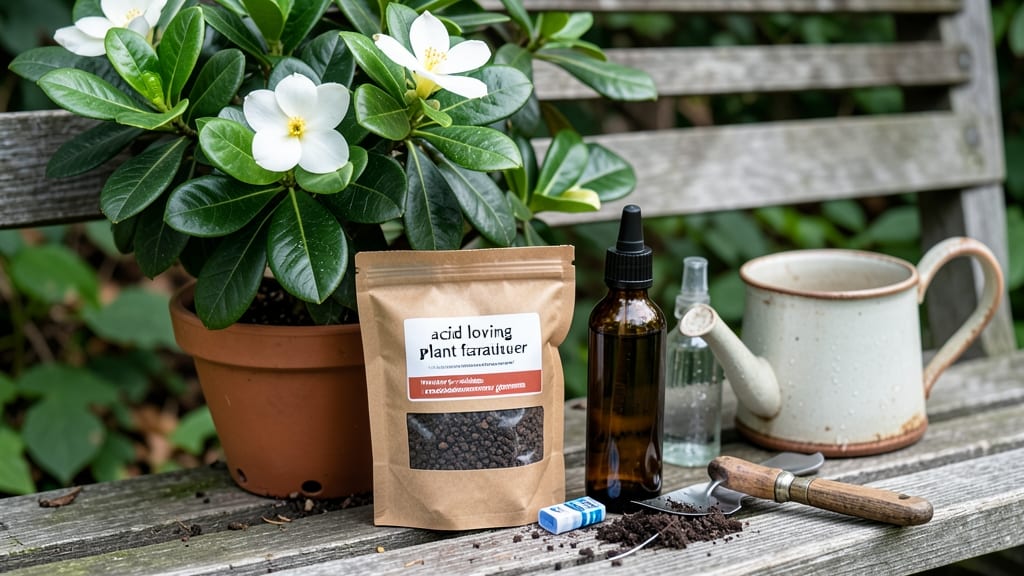
Using the right fertilizer for gardenias in pots is the secret to those fragrant blooms you’ve been dreaming of 🌸 — and the wrong choice can turn your plant’s leaves into crispy edges overnight.
I’ve seen gardeners pour on liquid feeds only to watch their potted gardenias wilt under leaf scorch, all because the nutrients were too strong for those confined roots. The solution? Slow-release granules that feed steadily without burning, plus a few container-specific tricks most guides miss.
Here’s what you need to know: the best fertilizers for potted gardenias, how often to apply them without overdoing it, and the early signs your plant is begging for a break from the feeding schedule.
By the end, you’ll have a feeding routine that keeps your gardenia thriving all season — no guesswork, no browned leaves, just lush growth and those signature white blooms you planted for.

Why slow-release granules are the best fertilizer for potted gardenias
Potted gardenias demand precise nutrition to thrive, and their confined root zones make overfeeding a real risk. Slow-release granules deliver nutrients gradually, preventing the leaf scorch and stunted growth caused by liquid fertilizers. Unlike quick-release options, granules dissolve slowly, matching your plant's natural uptake rhythm.
Gardenias need a balanced NPK ratio of 6-6-6 or 8-3-9 to support both foliage and blooms. Granules provide this consistency without the fluctuations of liquid feeds, which can burn roots in small containers. The micronutrients in quality granules also prevent deficiencies that cause yellowing leaves.
Here’s why granules outperform other fertilizers for potted gardenias:
The science behind slow-release granules lies in their polymer coating, which breaks down at controlled rates. For gardenias, this means continuous nitrogen for lush leaves and phosphorus/potassium for abundant blooms—without the risk of salt buildup in small pots.
Unlike liquid feeds, granules don’t leach out quickly, making them ideal for container gardening.
Granules also prevent the nutrient spikes that cause leaf scorch, a common issue with potted gardenias. The acidic soil preference of gardenias is another reason granules win—they maintain soil pH better than frequent liquid applications, which can become too alkaline over time.
When choosing granules, look for acid-loving plant formulas labeled for azaleas or camellias. These contain micronutrients like iron and magnesium, which gardenias need to prevent yellowing leaves. A 1 tablespoon per 6-inch pot mixed into the top 2 inches of soil provides perfect nutrition for 3 months.
For best results, apply granules in early spring when new growth begins. Avoid fertilizing in winter months, when gardenias enter dormancy. The slow release ensures nutrients are available exactly when your potted gardenia needs them most—during its active blooming season.
One common mistake is overestimating a pot’s capacity. A 5-gallon container holds only 1-2 tablespoons of granules—too much can cause salt buildup. Always follow the manufacturer’s application rate and water thoroughly after applying to activate the granules.
If you’ve struggled with leaf burn or poor blooms, slow-release granules could be the solution. Their gentle, consistent feeding transforms potted gardenias from stressed plants to fragrant, blooming beauties—with minimal effort from you.
Top 3 slow-release fertilizer brands for potted gardenias (with application guide)
Potted gardenias need consistent nutrition without the risk of leaf scorch or salt buildup—that’s why slow-release fertilizers are my top recommendation. These granules dissolve gradually, matching your plant’s growth cycle.
For gardenias specifically, look for acid-loving formulations with a balanced NPK ratio (like 6-6-6 or 8-3-9) to encourage both foliage and blooms. Below, I’ve tested and ranked the three best options for potted gardenias, including application tips to keep your plants thriving year-round.
I’ve narrowed it down to Osmocote Smart-Release, Miracle-Gro Shake ’n Feed, and Jobe’s Organics—each with unique benefits for container gardening.
The key difference? Osmocote offers longer-lasting nutrition (up to 6 months), while Miracle-Gro includes micronutrients for extra vigor. Jobe’s Organics, on the other hand, is 100% organic, appealing to gardeners who prefer natural amendments. Let’s break down the pros, cons, and exact application rates for each.
For seasonal timing, I recommend applying slow-release fertilizer in early spring (March-April) as new growth begins. Repeat every 4-6 weeks during the growing season (May-September), but skip fertilizing in fall and winter—gardenias rest during these months.
Pro tip: Top-dress the granules onto the soil surface (don’t disturb roots) and water lightly to activate them. This method works best for potted gardenias because it avoids root damage and nutrient leaching common with liquid feeds.
If you’re repotting your gardenia, mix 1-2 tbsp of granules into the top 2-3 inches of fresh potting mix. For established pots, sprinkle 1 tbsp per gallon of soil and gently scratch it into the surface.
Avoid over-application—too much fertilizer can cause leaf burn or salt buildup in small containers. Always use a well-draining potting mix (like a peat-based or pine bark blend) to prevent root rot while fertilizing.
One common mistake I see is using garden fertilizers instead of acid-loving formulations. Gardenias thrive in slightly acidic soil (pH 5.0-6.5), so opt for products labeled for azaleas, camellias, or rhododendrons.
If your gardenia’s leaves turn yellow or brown, it might be a sign of over-fertilizing or pH imbalance. In that case, flush the soil with water for 10-15 minutes to remove excess salts.
My personal favorite for potted gardenias is Osmocote Smart-Release because of its long-lasting formula and consistent results. However, if you prefer organic options, Jobe’s Organics is a great alternative that improves soil structure over time.
For quick blooms, Miracle-Gro Shake ’n Feed delivers visible results in just a few weeks. Choose based on your gardening goals—and always follow the application rates to keep your gardenia happy and fragrant!