
Light Requirements
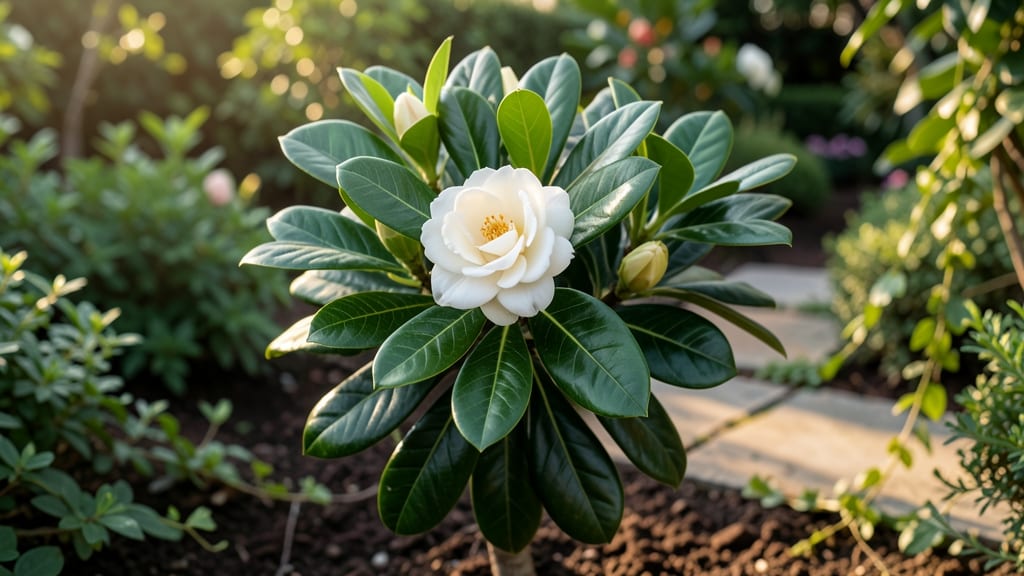
Gardenia sunlight requirements are all about striking the right balance—too much direct sun can scorch its glossy leaves, while too little leaves you with sparse blooms.
If you’ve ever watched your 🌸 gardenia struggle to thrive despite your best efforts, the issue might be hiding in plain sight: its light exposure. These fragrant shrubs crave bright, indirect light but need protection from harsh afternoon rays, especially in hotter climates.
In USDA Zone 6a, where spring planting is key, gardenias thrive with 4-6 hours of morning sun followed by afternoon shade. This balance isn’t just about aesthetics—it’s the difference between lush, fragrant blooms and wilting disappointment.
Below, I’ll break down exactly how to adjust sunlight for your gardenia, whether it’s basking in an east-facing window or planted outdoors. You’ll also learn to spot the warning signs of over- or under-exposure and how to fix them before it’s too late.

Ideal morning sun vs. afternoon shade balance for gardenia blooms
Gardenia plants are famous for their intoxicating fragrance and glossy, dark green leaves, but their sunlight requirements are often misunderstood. Unlike sun-loving shrubs, gardenias thrive on a delicate balance of morning sun and afternoon shade.
This balance isn't just a preference—it's a survival strategy to prevent leaf scorch while ensuring enough energy for those show-stopping blooms.
In nature, gardenias grow under the dappled light of tropical forests, where they receive filtered sunlight through canopy leaves. Mimicking this environment in your garden or patio is key to their success.
The morning sun provides the energy they need for photosynthesis, while the afternoon shade protects their tender foliage from the harsh, drying rays that can cause irreversible damage.
Here's the science behind it: Gardenias have thin, waxy leaves that reflect sunlight to prevent overheating. However, prolonged exposure to direct afternoon sun (especially in hot climates) can cause the leaves to curl and crisp at the edges—a sure sign of heat stress.
Meanwhile, insufficient morning light leads to weak stems and fewer blooms, as the plant struggles to produce energy for growth and flowering.
Now, let's break down the ideal sunlight exposure for gardenias in a way that's easy to apply to your garden. Whether you're in a tropical climate like Florida or a temperate zone like the Pacific Northwest, these guidelines will help you create the perfect microclimate for your gardenia.
| Condition | Tropical Climate (e.g., Florida, Hawaii) | Temperate Climate (e.g., California, Pacific Northwest) | Cold Climate (e.g., USDA Zone 5-6) |
|---|---|---|---|
| Morning Sun | 3-4 hours (6 AM - 10 AM) | 4-5 hours (7 AM - 12 PM) | 5-6 hours (8 AM - 2 PM) |
| Afternoon Shade | Full shade after 10 AM (use 30-50% shade cloth) | Partial shade after 12 PM (dappled light or light trees) | Full shade after 2 PM (avoid direct sun) |
| Total Sunlight | 6-8 hours (with protection) | 6-7 hours (balanced exposure) | 5-6 hours (gentle light) |
| Key Adjustment | Use shade cloth or plant near tall trees | Position under deciduous trees or use lattice screens | Move to a south-facing wall with afternoon shade |
| Signs of Stress | Leaf burn, wilting by noon | Slow growth, pale leaves | Leggy stems, no blooms |
If you're growing gardenias in containers, their sunlight needs are even more critical because they have limited root space to regulate temperature. In hot climates, move potted gardenias to a shadier spot by late morning, and in cooler climates, ensure they get morning sun to kickstart photosynthesis.
A pro tip: Use a light-colored container to reflect excess heat and reduce soil temperature fluctuations.
For gardeners in USDA Zone 7 and above, where summers can be brutal, consider planting gardenias near a south-facing wall or under the eaves of a patio. This setup provides natural afternoon shade while still allowing the plant to soak up the gentle morning rays.
In cooler climates, like the Pacific Northwest, gardenias can handle slightly more sun, but avoid placing them in full afternoon sun, which can still cause stress even in mild weather.
One common mistake I see is assuming that more sun equals more blooms. While gardenias do need sunlight to flower, excessive heat actually inhibits blooming by causing the plant to focus on survival rather than reproduction.
The optimal balance of morning sun and afternoon shade ensures your gardenia stays healthy, grows strong, and rewards you with abundant, fragrant blooms from spring through fall.
To test if your gardenia is getting the right amount of light, observe its leaves and growth pattern. Healthy gardenias have deep green, glossy leaves and produce buds consistently. If you notice yellowing leaves or brown edges, it’s a sign of too much sun.
Conversely, pale, sparse leaves and no flower buds indicate insufficient light. Adjust the plant’s position gradually—don’t move it suddenly, as this can cause shock.
For those in urban environments with limited outdoor space, consider growing gardenias near an <
Signs your gardenia isn’t getting the right sunlight (and how to fix it)
If your gardenia is struggling to bloom or its leaves look stressed, sunlight might be the culprit. These fragrant shrubs thrive in bright, indirect light but can suffer from both too much and too little sun.
I’ve seen gardeners give up on their gardenias only to discover their placement was the real issue.
Over-exposure to harsh afternoon sun often causes leaf scorch or yellowing edges, while insufficient light leads to stunted growth and sparse blooms. The key is finding that sweet spot—morning sun paired with afternoon shade. Let’s diagnose your gardenia’s light needs and fix them before it’s too late.
⚠️ Gardenia Sunlight Warning Signs
Too Much Sun: Crispy, brown leaf edges or leaf scorch on south/west-facing sides. Leaves may curl or drop prematurely.
Too Little Sun: Pale, leggy growth with few blooms. New leaves may appear weak or yellowed.
Critical Fix: Gardenias need 4-6 hours of morning sun max—afternoon shade is non-negotiable in hot climates.
Start by observing your gardenia’s leaf condition. If you notice brown patches on leaves facing west or south, it’s getting too much direct sun. These spots often appear dry and papery—like they’ve been sunburned. Even worse, the plant may drop leaves entirely during peak summer heat.
On the flip side, if your gardenia looks weak and stretched with long distances between leaves, it’s begging for more light. I’ve had gardeners swear their gardenia was "dying" only to move it to a brighter spot and watch it rebound with blooms within weeks.
The fix? Gradually increase light exposure over 2-3 weeks to avoid shocking the plant.
For immediate relief, consider shade cloth (30-50% shade) if your gardenia is in full sun. If it’s not getting enough light, relocate it to an east-facing window or under a high canopy tree.
Containers make this easy—just move them closer to a light source or add a sheer curtain for diffused light.
Pro tip: Prune back any overgrown branches blocking sunlight from reaching the inner growth. This opens up the plant and encourages more blooms. And always water deeply in the morning to help leaves recover from any sun stress they’ve endured.
With the right sunlight balance, your gardenia will reward you with glossy leaves and heavy fragrance—the true mark of a happy plant. 🌸