
How To
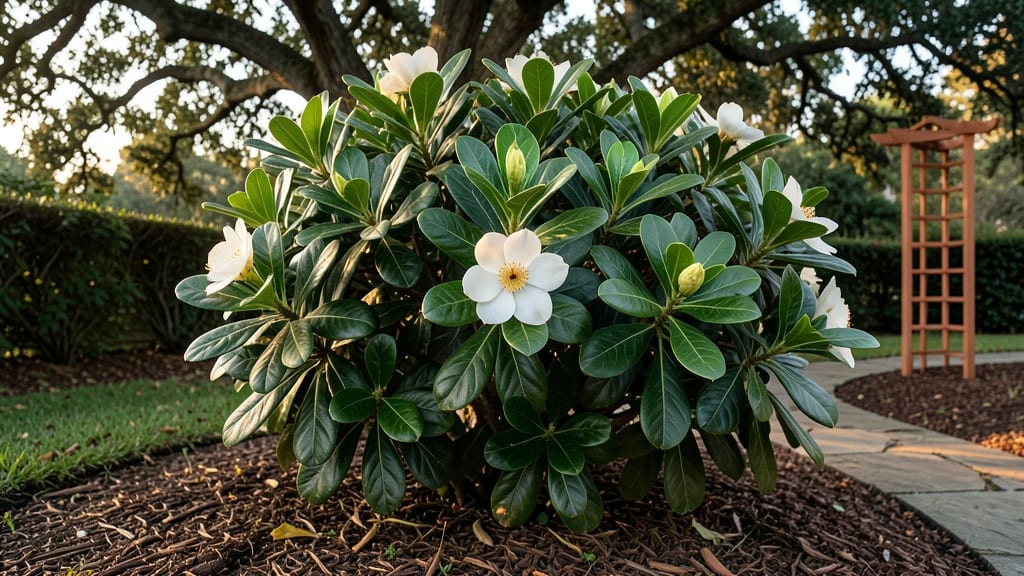
Gardenias grow anywhere from 1 to 6 feet tall, depending on the variety you choose, so size planning is the first step to happy blooms and a fragrant garden.
If you’re dreaming of fragrant gardenias but wondering whether they’ll fit in your garden—or if they’ll tower over your patio—you’re not alone. These glossy-leaved shrubs can be surprisingly compact or surprisingly tall, and picking the right type for your space makes all the difference.
Most gardeners start with Gardenia jasminoides, the classic variety, which typically reaches 3 to 5 feet at maturity, making it ideal for borders or small hedges.
But if you’re working with limited space, dwarf varieties like ‘Kleim’s Hardy’ stay under 2 feet, while larger types like ‘Radicans’ can stretch up to 6 feet.
Below, I’ll break down exact height ranges by variety, how growth habits affect your garden layout, and the pruning tricks to keep your gardenias at the perfect size—whether you’re planting in the ground or a container.
Gardenia size by variety: exact height and spread measurements
Choosing the right gardenia variety depends on your space—whether you have a cozy patio, a sprawling backyard, or just a sunny windowsill. Gardenias grow in dramatic size ranges, from dwarf varieties that fit in pots to tall shrubs that need room to stretch.
Understanding these dimensions helps you pick the perfect plant for your landscape or container garden.
Most gardenias belong to the Gardenia jasminoides species, but their mature sizes vary significantly. Some stay under 2 feet tall, while others reach 6 feet or more. Spread measurements are equally important—some varieties grow wide and bushy, while others stay more compact.
Below, I’ve organized the most popular gardenia varieties by their exact height and spread ranges to help you visualize their potential.
Pro Tip: Always check a variety’s mature size before planting, as gardenias grow slowly and can outgrow their space over years. If you’re unsure, opt for dwarf or semi-dwarf varieties for containers or small gardens.
If you’re growing gardenias in containers, prioritize dwarf varieties like Radicans or Mystery, which thrive in pots as long as they have well-draining soil and regular pruning. These varieties stay under 3 feet tall and are perfect for patios or balconies where space is limited.
For large gardens or hedges, consider Veitchii or August Beauty, which can reach 6 feet tall and create a lush, fragrant backdrop. Just be prepared for their wide spread—some varieties can grow 7 feet across, so plan accordingly if you’re planting near walkways or other structures.
One common misconception is that all gardenias grow at the same rate. In reality, dwarf varieties like Radicans grow slowly (about 6 inches per year), while standard varieties like Veitchii may grow 12–18 inches per year under ideal conditions.
Patience is key—most gardenias take 3–5 years to reach their full mature size.
When selecting a gardenia, also consider its spread width. Some varieties, like Fortuniana, grow wider than they are tall, making them ideal for ground cover or privacy screens.
Others, like Kleim’s Hardy, have a more balanced height-to-width ratio, perfect for foundation plantings or border edges.
For urban gardeners with limited space, container gardening is a great solution. Choose a pot at least 12–18 inches wide for dwarf varieties, and upgrade to 20+ inches for semi-dwarf types.
Always use a pot with drainage holes to prevent root rot, a common issue with gardenias that love moisture but hate soggy soil.
If you’re
How gardenia growth habits affect your garden layout
Understanding how gardenias grow is key to creating a layout that lets them thrive without crowding other plants. Their growth habits change with the seasons, so planning ahead ensures your gardenias have room to spread while maintaining their fragrant beauty.
Whether you're designing a sunny patio or a shady garden corner, spacing and pruning make all the difference.
Gardenias grow fastest in spring and early summer when temperatures rise and daylight increases. This means their height and spread can increase by up to 12 inches per year during peak growing months.
However, their growth slows in late summer and fall, which is your chance to prune and shape them before winter dormancy.
- 🌱 Dwarf varieties (1-2 ft tall) need 18-24 inches of space between plants for airflow and sunlight.
- 🌿 Standard varieties (4-6 ft tall) require 4-6 feet of space to prevent overcrowding and disease.
- ✂️ Prune in late winter to remove dead or crossing branches, shaping the plant for balanced growth.
- 🪴 Container gardenias need pots at least 12 inches wide and deep to accommodate root growth.
- ☀️ Morning sun (4-6 hours) is ideal, but avoid hot afternoon sun to prevent leaf scorch.
When placing gardenias in your layout, consider their mature size and how they’ll interact with nearby plants. For example, a 6-foot gardenia planted near a 3-foot hydrangea will eventually overshadow it, so give taller varieties more space.
If you’re using gardenias as privacy screens, space them 3-4 feet apart for a lush, fragrant barrier within 2-3 years.
Pruning isn’t just for shaping—it’s also about encouraging bushier growth. Cut back overly long branches by one-third in late winter to stimulate new growth. Avoid heavy pruning in fall, as this can stress the plant before winter dormancy. Instead, focus on light shaping to maintain their natural form.
Container gardening is a great option for smaller spaces or renters, but choose the right pot size and drainage. Gardenias in containers need frequent watering because they dry out faster than in-ground plants.
Use a well-draining potting mix with peat or perlite to prevent root rot, and fertilize every 4-6 weeks during the growing season.
Seasonal growth patterns also affect your layout. In spring and summer, gardenias grow rapidly and may need staking if they become top-heavy with blooms. In fall and winter, growth slows, making it easier to transplant or divide overgrown plants.
Plan your garden layout with these cycles in mind to keep your gardenias healthy and visually balanced year-round.