
Pests
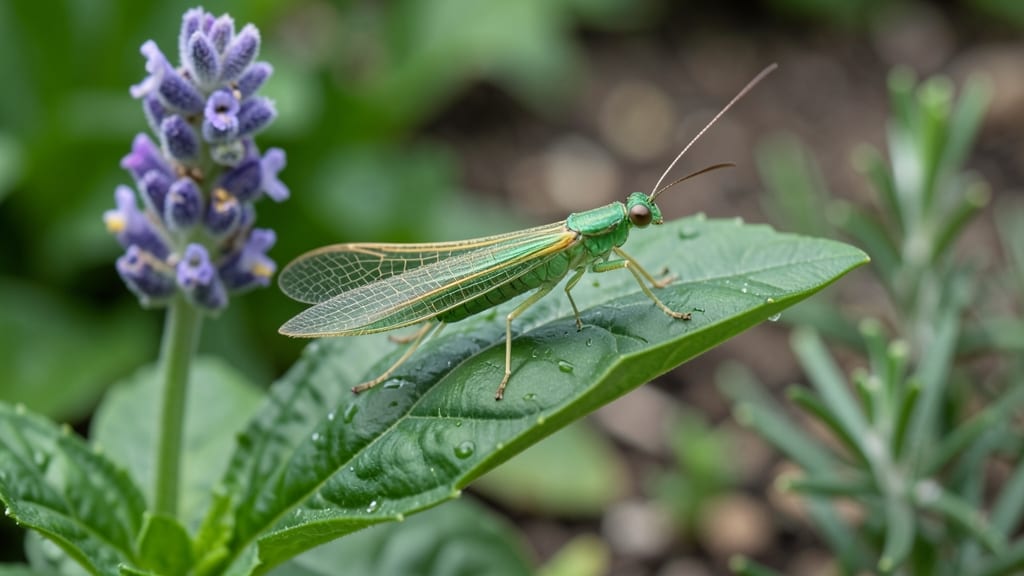
Mastering insects in garden identification can save your plants—and your sanity—before a small problem turns into a full-blown infestation.
Struggling to tell whether that tiny 🐛 crawling on your basil is a helpful predator or a hungry pest? Misidentifying insects can mean the difference between thriving plants and a ruined harvest. Here’s how to spot common invaders and decide whether they’re friends or foes.
Most gardeners overlook the key visual clues that reveal an insect’s true nature—body shape, color patterns, and even where they hang out. A ladybug might look like a beetle, but its diet tells the story.
In this quick guide, you’ll learn how to recognize 10 common garden insects, what damage they cause, and the fastest natural solutions to keep your garden healthy without harsh chemicals.
How to identify common garden insects by appearance & behavior
Spotting the difference between a helpful predator and a plant-munching pest starts with close observation. Beneficial insects like ladybugs and lacewings often have bright colors or delicate wings, while pests like aphids or caterpillars leave visible damage trails.
I’ve learned the hard way that assuming every tiny creature is harmful can lead to overcorrecting—some "pests" are actually allies in your garden ecosystem.
Start by examining body shape and color patterns. For example, a round, polka-dot beetle is almost always a ladybug, while a soft-bodied, clustered insect is likely an aphid.
Pay attention to movement patterns too—some insects are slow-moving, while others dart quickly. These clues can help you decide whether to intervene or simply observe.
A magnifying glass is your best friend for this task. Many garden insects are tiny (1-5mm), and their details—like antenna length or wing patterns—can reveal their true identity.
For instance, whiteflies have powdery wings, while lacewings have intricate, net-like wings. These distinctions matter because treating a beneficial insect like a pest can disrupt your garden’s natural balance.
Here’s a quick trick: Check the plant’s condition. If leaves are chewed or skeletalized, you’re likely dealing with caterpillars or beetles. If you see sticky residue (honeydew), aphids or scale insects are probably the culprits.
Meanwhile, ladybug larvae leave behind clean, skeletonized leaves—a sign they’re actually controlling other pests.
Don’t overlook nocturnal insects, which are often active at dusk or dawn. For example, earwig
Natural solutions for garden pests: when to act & how
Spotting aphids on your roses or caterpillars munching your tomatoes can be alarming, but not all insects are your garden’s enemy. The key is knowing when to act and which natural solutions work best.
Early intervention prevents small problems from becoming full-blown infestations, saving you time and effort. Let’s explore organic methods to tackle pests without harsh chemicals.
Before reaching for sprays, ask yourself: Is this insect harmful? Many gardeners panic at the sight of tiny creatures, but ladybugs and lacewings are allies that devour pests like aphids. Learn to distinguish between beneficial insects and destructive pests—this alone can reduce unnecessary interventions.
For example, a few Japanese beetles won’t ruin your garden, but a swarm will strip leaves overnight.
⚖️ Organic Pest Control Methods: Pros & Cons
✅ Kills eggs/larvae, systemic effect, safe for most plants
❌ Smells strong, not for windy days, may harm bees
✅ Prevents pests naturally, improves soil, attracts pollinators
❌ Takes time to establish, limited to certain plant pairs
✅ Zero chemicals, immediate results, great for large pests
❌ Time-consuming, not for tiny insects, may miss hidden pests
✅ Fast-acting, biodegradable, safe for most plants
❌ Can burn plants if too concentrated, kills beneficial insects too
✅ Targets grubs and larvae, long-lasting effect
❌ Needs moist soil, slow to work, not for above-ground pests
Timing is everything when it comes to pest control. For example, aphids multiply rapidly, so act within 3-5 days of spotting them. Start with a gentle soap spray in the evening when bees are less active.
If the problem persists, try neem oil—it disrupts insect life cycles but requires reapplication every 7-10 days for best results.
For caterpillars or Japanese beetles, physical removal works wonders. Simply pick them off and drop them into soapy water. This method is 100% chemical-free and satisfies your urge to take immediate action. Pair this with row covers to protect vulnerable plants like cabbage or kale from future attacks.
Don’t overlook the power of companion planting. Pairing marigolds with tomatoes deters nematodes, while basil repels thrips and whiteflies. This proactive approach reduces the need for interventions later. Plant dill or fennel near your roses to attract ladybugs, nature’s pest control.
When in doubt, observe your garden for early signs like yellowing leaves, sticky residue (honeydew), or chewed edges. These clues help you act swiftly before pests spread. Remember, balance is key—a few pests won’t harm your plants, but a sudden surge means it’s time to intervene.
Start small with one organic method this season, like neem oil or handpicking, and monitor the results. Over time, you’ll develop a customized pest management plan tailored to your garden’s unique challenges—no chemicals required. Happy gardening! 🌱