
Blooming
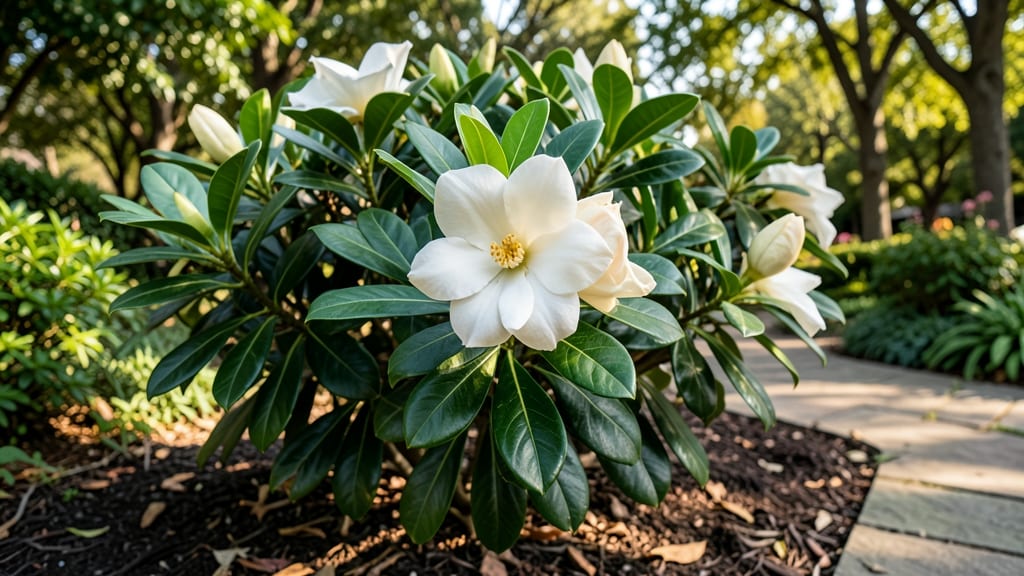
Gardenia blooms in Zone 9 typically arrive between late spring and early summer, with a second, lighter flush in fall — but timing can shift dramatically depending on where you live in the region.
Picture this: your 🌸 gardenia is a fragrant blank canvas in winter, waiting for the right cues to burst into color. Coastal areas like San Diego often see blooms as early as March, while inland spots near Phoenix might not hit peak fragrance until May or June.
That’s why understanding your microclimate is the key to predicting — and even nudging — those blooms forward.
What most gardeners don’t realize is that gardenias in Zone 9 actually have two bloom windows if cared for properly. The first, more reliable wave comes with spring’s warming temperatures, while the second, smaller flush in fall can be encouraged with the right pruning and feeding schedule.
The trick? Avoiding summer stress and keeping the soil consistently moist but never soggy.
In this guide, I’ll break down the exact months for your location, share the 3 most critical care steps to extend blooming, and reveal which gardenia varieties thrive longest in Zone 9’s heat. No more guessing — just fragrant, predictable blooms all season.
Gardenia bloom timing in Zone 9: exact months and climate factors
Zone 9 gardeners enjoy a unique advantage with gardenias—their mild winters create perfect conditions for prolonged blooming. Unlike colder zones, gardenias here often produce two distinct bloom cycles instead of just one.
The first wave typically arrives in late winter, while a secondary flush appears in early fall.
This extended bloom window occurs because Zone 9’s 60-70°F winters provide just enough chill to trigger flowering without damaging the plants. Coastal areas like San Diego may see blooms as early as November, while inland desert climates like Phoenix often wait until January-February for their first flowers.
The summary-table below breaks down exact bloom timing, climate factors, and fragrance peaks to help you plan your garden's most fragrant moments.
| Bloom Period | Peak Fragrance | Climate Factors | Zone 9 Variations |
|---|---|---|---|
| Late November - December | High (coastal areas) | 60-65°F nights, 70-75°F days | Coastal: Earlier blooms |
| January - February | Very High (main peak) | 55-60°F nights, 65-70°F days | Inland: Later blooms |
| March - April | Moderate | Warming temperatures (70-80°F) | Heat stress reduces blooms |
| September - October | High (fall flush) | 75-80°F days, 60-65°F nights | Best in shaded locations |
Humidity plays a critical role in gardenia blooming. The higher humidity of coastal Zone 9 (like San Diego) enhances fragrance and extends bloom duration by 2-3 weeks compared to drier inland areas. In desert climates, I recommend mist spraying in late afternoon to mimic natural humidity levels.
Temperature fluctuations also matter—gardenias need consistent warmth during the day but cooler nights to set flower buds. In Phoenix or Palm Springs, sudden temperature swings above 85°F can cause buds to drop. Providing light afternoon shade helps maintain optimal conditions.
The peak fragrance period typically aligns with the January-February bloom window when cooler nights enhance essential oil production. For maximum scent impact, plant gardenias near patio seating areas or along garden pathways where you'll experience their intoxicating aroma firsthand.
Zone 9's lack of frost means gardenias can bloom year-round with proper care, though the two main flushes (winter and fall) are most reliable. I've seen well-established plants in Los Angeles produce sporadic blooms even in summer when given extra shade and consistent moisture.
For gardeners in hotter inland areas, the fall bloom cycle often outperforms spring blooms due to cooler September temperatures. This makes late summer pruning (around August) particularly important to encourage strong fall growth and flowering.
Remember that container-grown gardenias may bloom 1-2 weeks earlier than in-ground plants due to faster warming of potting media. If you're growing in pots, choose larger containers (15+ gallons) to maintain stable root zone temperatures and support longer bloom periods.
🌸
How to extend gardenia blooming season in Zone 9: pruning and care tips
Zone 9 gardeners know that gardenias thrive in our mild winters, but their blooming season often feels too short. With the right timing and care, you can extend those fragrant blooms by 3-4 months—turning your garden into a year-round perfume factory.
The key lies in understanding pruning cycles, acidic soil needs, and how Zone 9’s unique climate affects flowering.
Most gardenias in Zone 9 naturally bloom from late winter to early spring, but with strategic care, you can coax fall blooms too. The secret?
Mimicking their natural dormancy period while avoiding common mistakes like over-pruning or alkaline soil—both of which signal the plant to conserve energy instead of flowering.
🌸 Bloom Timing Warning
In Zone 9, gardenias typically bloom December-February (winter) and September-October (fall), but coastal areas (like San Diego) may see year-round blooms if conditions are perfect. Inland areas (like Phoenix) often have shorter bloom windows due to summer heat stress. Never prune during bloom time—this cuts off flower buds before they open!
Start with soil pH adjustments—gardenias demand acidic soil (pH 5.0-6.0). Test your soil in late summer and amend with sulfur or peat moss if needed. Alkaline soil (common in Zone 9’s limestone-rich areas) starves roots of essential nutrients, leading to fewer blooms and pale flowers.
Prune your gardenias right after blooming (March-April) to encourage next season’s buds. Use clean, sharp shears and cut back 1/3 of the oldest growth—this rejuvenates the plant. Avoid heavy pruning in summer, as this stresses the plant during Zone 9’s peak heat.
For fall blooms, give your plant a light trim in July to promote new growth.
Watering is another game-changer. Gardenias in Zone 9 need deep, infrequent watering—1-2 inches per week—but never let them sit in soggy soil. In summer, water early morning to prevent fungal diseases like powdery mildew, which can kill buds before they open.
Mulch with pine bark to retain moisture and lower soil pH naturally.
Light exposure makes all the difference. While gardenias tolerate partial shade, they need 4-6 hours of morning sun for strong blooms.
In Zone 9’s intense afternoon sun, provide afternoon shade (use a lightweight shade cloth if needed). Too much shade reduces blooms, while direct afternoon sun can scorch leaves and buds.
Finally, feed your gardenias only during active growth. Use a balanced acid-loving fertilizer (10-10-10) in early spring and late summer, but skip fertilizing in winter—this mimics their natural dormancy and prevents weak, sparse blooms.
For extra fragrance, add a high-phosphorus boost in late summer to encourage fall blooms.