
Fertilization
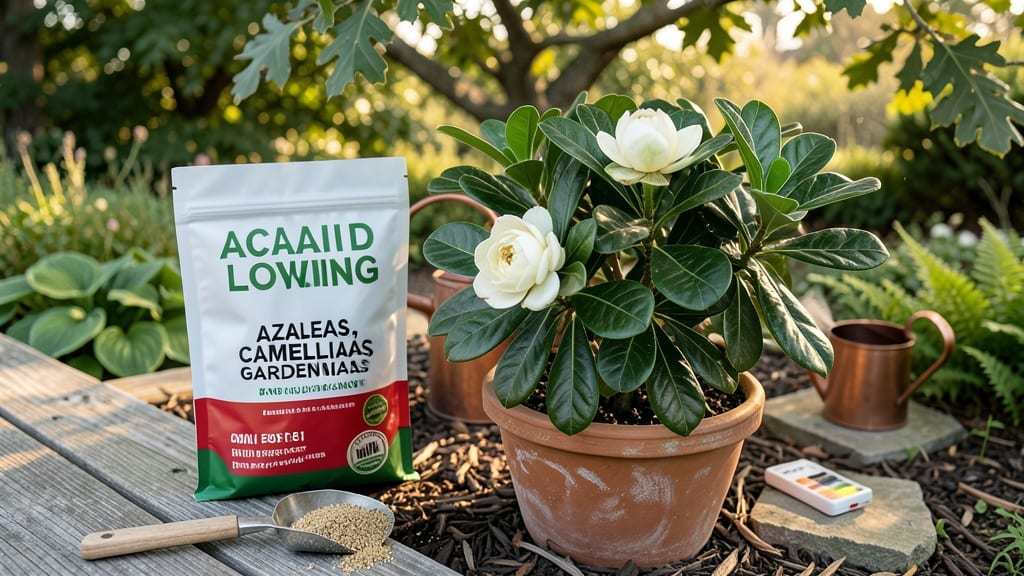
Fertilizing gardenias in Georgia at the right time—early spring and late summer—is the secret to those fragrant, glossy blooms you’ve been dreaming of.
Georgia’s humid climate and hot summers can turn your gardenias into stunning bloomers—or leave them struggling if you fertilize at the wrong time. Timing is everything for these fragrant favorites, and getting it right means lush foliage and nonstop flowers.
Most gardeners make the mistake of feeding too late in the season, which leads to weak growth or even leaf burn. In Georgia’s 7b-8b zones, the key is to feed lightly in March and again in June, just as blooms start forming.
Below, I’ll walk you through the exact schedule, the best fertilizer types for Georgia’s acidic soil, and how to avoid the common mistakes that kill gardenias—so you can enjoy months of fragrant blooms without the guesswork.

Optimal fertilization schedule for Georgia gardenias: spring vs. fall timing
Georgia’s humid subtropical climate creates the perfect conditions for gardenias to thrive—but only if you fertilize at the right times. These acid-loving shrubs need precise timing to produce their signature creamy white blooms and glossy foliage.
In Georgia’s USDA zones 7b-8b, the key is feeding during active growth phases while avoiding over-fertilization in the heat.
Most gardeners make the mistake of fertilizing during summer’s peak heat, which stresses plants and burns roots. Instead, focus on early spring (March-April) and late fall (October-November) for optimal results. This schedule aligns with Georgia’s two main growing seasons and prevents nutrient waste during dormancy.
For clay-heavy soils common in northern Georgia (e.g., Atlanta area), focus on organic amendments like pine bark fines or composted leaves. These improve drainage while maintaining acidic conditions gardenias love.
In sandy soils of southern Georgia (e.g., Savannah), opt for slow-release fertilizers to prevent nutrients from washing away during summer rains.
Your first feeding should happen in early March, right after the last frost date. Use a balanced acid-loving fertilizer (like 8-4-8 or 10-6-8 NPK ratio) to kickstart growth.
Apply it around the root zone, keeping it 2-3 inches away from stems to prevent burn. Water thoroughly afterward to help nutrients penetrate the soil.
By late April, your gardenias should be in full bloom mode. This is when you’ll want to increase feeding frequency to every 4-6 weeks. However, switch to a lower-nitrogen formula (like 6-10-6) to encourage more flowers instead of just foliage.
Georgia’s summer humidity means you’ll need to water more frequently, so pair fertilization with deep watering sessions in the morning.
Many gardeners overlook fall fertilization, but it’s crucial for preparing gardenias for winter. In October, apply a light feeding of organic matter (like composted oak leaves) to strengthen roots before dormancy.
This is especially important in Georgia’s mild winters, where plants remain semi-active. Avoid synthetic fertilizers during this time, as they can stimulate late-season growth that won’t harden off properly.
One common mistake is fertilizing gardenias in summer’s peak heat (July-August). The intense sunlight and 90°F+ temperatures common in Georgia can cause leaf burn and root stress.
If you notice yellowing leaves or crispy edges, flush the soil with water and hold off on fertilizing until temperatures drop below 85°F in the evening.
To adjust for Georgia’s variable rainfall patterns, always water before fertilizing. This prevents nutrient runoff during sudden summer downpours. For container-grown gardenias, use a liquid fertilizer diluted to half-strength every 3-4 weeks during the growing season, as potted plants dry out faster than in-ground shrubs.
Remember, gardenias are heavy feeders but delicate bloomers. The key to Georgia success is consistency—feed at the right times, adjust for your soil type, and watch your plants reward you with nonstop fragrant blooms from spring through fall. 🌸
Signs your gardenia needs fertilizer (and what type to use in Georgia)
Your gardenia’s glossy leaves and fragrant blooms are its pride, but when they start fading, it’s often a cry for nutrients. In Georgia’s acidic soil, gardenias thrive with the right balance of nitrogen, phosphorus, and potassium.
If you spot yellowing leaves or sparse flowers, your plant might be telling you it’s time to feed.
Start by checking for pale or yellow foliage, which often signals nitrogen deficiency. Small, weak buds that fail to open or drop before blooming can mean phosphorus or potassium shortages.
Even stunted growth or thin stems are red flags. Georgia’s humid climate accelerates nutrient depletion, so don’t wait until these signs appear—proactive feeding keeps your gardenia flourishing year-round.
When to Fertilize Gardenias in Georgia
✅ DO Fertilize
- • Early spring (March) after last frost
- • Late spring (April-May) for blooming season
- • Light feed in June-July during peak heat
- • Acid-loving fertilizer (pH 5.0-6.0)
❌ DON’T Fertilize
- • Winter months (Dec-Feb) when growth slows
- • After heavy rain (leaches nutrients)
- • Direct stem contact (burns tender roots)
- • Synthetic-only (use organic for soil health)
For Georgia gardeners, the best fertilizers are those designed for acid-loving plants, like azalea or camellia blends. Look for a balanced NPK ratio (e.g., 8-4-8 or 10-6-8) to support both foliage and flowers.
Organic options like fish emulsion or cottonseed meal work well, but synthetic fertilizers (like Miracle-Gro Azalea) offer faster results during blooming season.
Adjust your soil’s pH level if it’s too alkaline—Georgia’s clay soils often need sulfur or peat moss to lower pH. Test your soil every 2-3 years and amend as needed. A pH meter or lab test from your local UGA Extension office can provide precise guidance for your specific region.
Apply fertilizer in early morning to avoid leaf burn from afternoon heat. Water thoroughly after application to help nutrients penetrate the root zone. In Georgia’s humid climate, mulch around the base with pine straw or bark to retain moisture and slowly release nutrients over time.
If your gardenia’s leaves turn brown or crispy after fertilizing, you’ve likely overdone it. Flush the soil with water and reduce future applications by half. Remember, less is more—Georgia’s heat means nutrients break down faster, so frequent light feedings work better than heavy doses.