
Planting
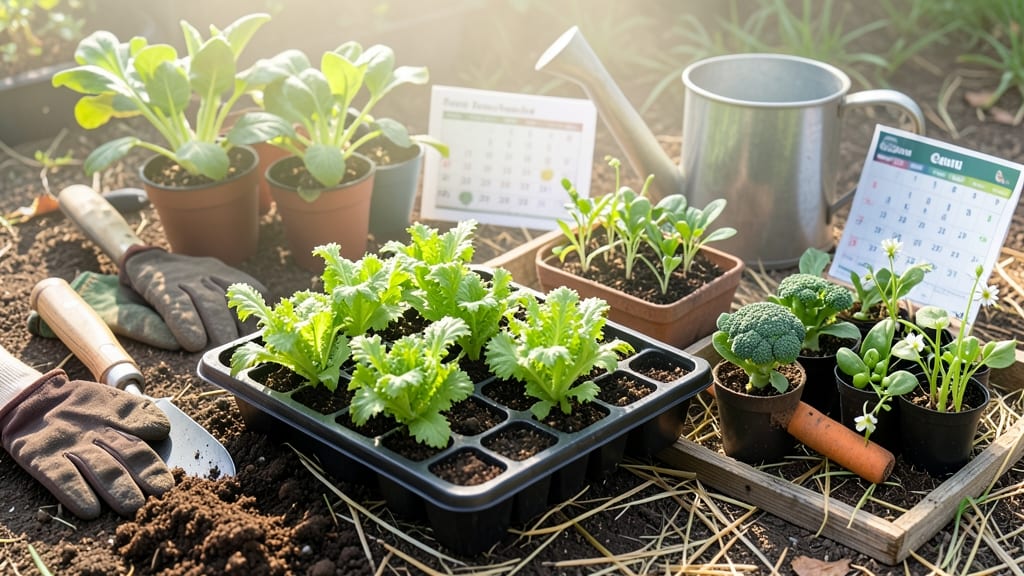
To plant a garden in Ohio, aim for after last frost—typically mid-April in most of the state, but check your local USDA 6a zone for precision.
Ohio’s unpredictable weather can make or break your garden—planting too early risks frost damage, while waiting too long shortens your growing season. But with the right timing, you can maximize yields and avoid common mistakes that plague Midwestern gardeners.
Cool-season crops like peas and lettuce thrive when planted as early as March, while tomatoes and peppers need to wait until soil warms to 60°F—usually late April or early May. Understanding these windows is the key to a bountiful harvest.
Below, I’ll break down frost-free dates by region, share strategies for extending your season, and help you avoid the most common planting pitfalls—so you can grow with confidence.
Ohio’s frost-free dates by region: when to plant cool-season vs warm-season crops
Ohio’s USDA hardiness zones 5b-6a mean gardeners must time plantings carefully to avoid frost damage or wasted growing season. The last spring frost typically arrives between April 15-30, while the first fall frost hits around October 15.
These dates vary by region—northern Ohio (zone 5b) has a shorter growing season than southern Ohio (zone 6a).
Cool-season crops like lettuce, spinach, and peas thrive when planted 4-6 weeks before your last frost, often in early March to mid-April.
Warm-season crops such as tomatoes, peppers, and cucumbers need to wait until after the last frost, usually late April to early May, when soil temperatures reach 60°F+.
Here’s a breakdown of Ohio’s frost-free planting windows by region, including adjustments for urban heat islands and rural microclimates:
| Region | Last Frost Date | First Frost Date | Cool-Season Planting | Warm-Season Planting | Notes |
|---|---|---|---|---|---|
| Northern Ohio (Zone 5b) | April 25-May 5 | October 10-20 | March 15-April 15 | May 15-June 1 | Shorter season; use row covers for warmth. |
| Central Ohio (Zone 6a) | April 15-25 | October 15-25 | March 1-April 10 | April 25-May 10 | Longer season; ideal for succession planting. |
| Southern Ohio (Zone 6a) | April 5-15 | October 25-Nov 5 | February 28-April 5 | April 15-May 5 | Longest season; plant heat-loving crops early. |
| Urban Areas (Microclimate) | April 10-20 (earlier) | October 5-15 (earlier) | March 1-April 10 | April 20-May 5 | Heat islands warm soil faster; monitor closely. |
| Rural Areas (Microclimate) | May 1-10 (later) | October 20-Nov 1 (later) | April 1-May 1 | May 10-June 1 | Cooler nights delay planting; use cold frames. |
For cool-season crops, start seeds indoors in late winter or direct-sow in early spring. Lettuce and spinach can handle light frosts, but peas prefer cooler soil. In northern Ohio, wait until after April 25 to plant spinach, as earlier sowings may bolt in warmth.
Warm-season crops like tomatoes and peppers need consistent warmth—plant them only after soil temperatures exceed 60°F.
In southern Ohio, you can start early varieties as soon as April 15, but northern gardeners should wait until May 15 to avoid frost. Cucumbers thrive in heat but wilt if stressed.
Ohio’s unpredictable late frosts (common in May) mean gardeners should have a backup plan. Use frost cloths for early plantings or opt for heat-tolerant varieties like ‘Heatmaster’ tomatoes. Rural areas often experience 2-3°F cooler nights than urban zones, so adjust planting dates accordingly.
Pro tip: Check the Ohio State University Extension’s frost date maps annually, as climate shifts can alter averages. For example, 2023’s last frost in Columbus arrived 10 days later than the 30-year average. Stay flexible and monitor local forecasts!
🌱
How to adjust planting times for Ohio’s unpredictable weather patterns
Ohio’s weather is famous for its whiplash—one day you’re planting warm-season veggies, the next you’re scrambling to cover tender seedlings with frost blankets.
The key to success lies in flexible planting strategies that account for Ohio’s late spring frosts (often hitting in April or early May) and early fall freezes (as early as September).
I’ve learned that rigid planting schedules fail here; instead, we adapt using season-extending tools and smart timing tricks to squeeze every possible growing day out of Ohio’s short but productive season.
First, let’s tackle the two biggest threats: late frosts and early freezes. In my experience, the average last frost date in Ohio ranges from mid-April in the south to late May in the north, but these dates can shift by 2-3 weeks depending on the year.
Similarly, first frost dates in fall vary from mid-October in southern Ohio to early October in the north. These fluctuations make hard frost dates unreliable—which is why I rely on soil thermometers and local weather alerts to guide my planting calendar.
- Use row covers (like Reemay fabric) to protect cool-season crops (lettuce, spinach) planted in March-April from late frosts. Remove covers when temps rise to 50°F.
- Set up cold frames or mini-greenhouses to start warm-season plants (tomatoes, peppers) 4-6 weeks before the last frost date. This gives seedlings a head start.
- Practice succession planting for crops like bush beans and radishes. Sow every 2 weeks from mid-April to June to ensure a continuous harvest.
- Choose heat-tolerant varieties of tomatoes (like ‘Heatmaster’) and peppers (like ‘Carolina Wonder’) to handle Ohio’s summer heat waves without bolting.
- Plant fall crops (kale, carrots, broccoli) in early August for a September-October harvest before early freezes. Use black plastic mulch to warm soil and extend the season.
One of my favorite season-extending hacks is using row covers to create a microclimate for early plantings. For example, I plant spinach and lettuce as early as late March under floating row covers, which protect against 28°F frosts while still allowing sunlight and water to penetrate.
By mid-April, I can remove the covers for most varieties, giving me a 6-week head start on the growing season. This trick has helped me harvest baby greens by early May—a luxury in Ohio’s short spring!
For warm-season crops like tomatoes and peppers, I turn to cold frames or hoop houses to get a jump on the season. I start seeds indoors in early March and transplant them into a protected outdoor cold frame by mid-April.
This setup buys me 4-6 weeks of growth before the plants can handle full outdoor conditions. By Memorial Day, my tomatoes are already 1-2 feet tall and ready to fruit, shaving weeks off the traditional planting timeline.
Another game-changer is succession planting, which I use to stagger harvests and avoid gluts. For instance, I plant bush beans in three separate batches: the first in late April, the second in mid-May, and the third in early June.
This ensures I have fresh beans every 2-3 weeks through July and August, long after a single planting would have bolted in Ohio’s heat. The same strategy works for radishes, lettuce, and carrots, keeping my garden productive well into fall.
Finally, don’t underestimate the power of heat-tolerant varieties and fall planting. Ohio’s summers can be brutal, with temps soaring to 90°F+, which stresses many traditional vegetable varieties.
Instead, I opt for heat-resistant tomatoes like ‘Solar Fire’ and peppers like ‘Jupiter’, which thrive in high-heat conditions and produce fruit even when other plants wilt.
For fall, I focus on cool-season crops like kale, carrots, and broccoli, planting them in early August so they mature before the first frost in October. A little black plastic mulch goes a long way in keeping the soil warm and extending the harvest window.