
Planting
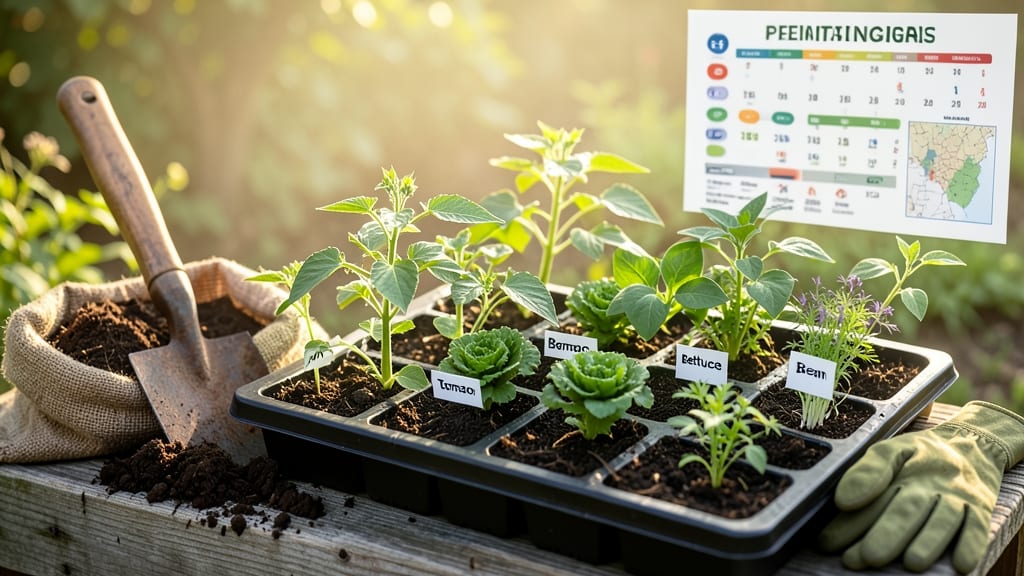
Planting a vegetable garden in Pennsylvania at the right time means the difference between a bountiful harvest and a sad, stunted mess.
Pennsylvania’s diverse climate—from the humid Appalachians to the cooler Lake Erie region—means your vegetable garden’s success hinges on planting at the perfect time. Miss the window, and you risk stunted growth, pests, or even crop failure.
This guide breaks down frost dates, hardiness zones, and the best planting schedules for every crop in PA—so you can start strong and harvest big. Whether you’re growing lettuce in the spring or tomatoes in the summer, timing is everything.
Learn how to adjust for late frosts, extend seasons with row covers, and choose the right varieties for your zone. With the right strategy, you’ll be enjoying homegrown veggies all season long.
Pennsylvania frost dates and hardiness zones: your planting timeline by region
Pennsylvania spans USDA hardiness zones 5b through 7a, creating a patchwork of microclimates where frost dates can vary by weeks.
In Pittsburgh (Zone 6b), the average last spring frost arrives around April 15, while Philadelphia (Zone 7a) sees its final frost a week earlier, on April 10. Meanwhile, Erie (Zone 5b) clings to colder temperatures, with frost lingering until May 1 near Lake Erie.
Understanding these regional differences is key to timing your vegetable garden correctly—plant too early, and a late frost will kill tender seedlings.
Microclimates further complicate timing. Urban areas like Philadelphia often experience heat islands that delay frost, while rural Scranton (Zone 6a) may see earlier freezes due to higher elevations. Even within a city, south-facing gardens warm up faster than north exposures.
For example, tomatoes planted in Pittsburgh’s Zone 6b can go in the ground 2-3 weeks after April 15, but in Erie’s Zone 5b, wait until May 15 to avoid frost damage.
Here’s how these frost dates translate into actionable planting windows for your region:
| Region | USDA Zone | Avg. Last Spring Frost | Avg. First Fall Frost | Planting Window (Spring) | Planting Window (Fall) |
|---|---|---|---|---|---|
| Philadelphia | 7a | April 10 | October 15 | April 15–May 10 | August 1–September 10 |
| Pittsburgh | 6b | April 15 | October 20 | April 20–May 15 | July 15–August 20 |
| Erie | 5b | May 1 | October 5 | May 10–June 1 | July 1–August 10 |
| Scranton | 6a | April 22 | October 10 | April 25–May 10 | July 20–August 15 |
Cool-season crops like lettuce, spinach, and broccoli thrive in Pennsylvania’s early spring and late summer. In Philadelphia (Zone 7a), you can start planting these 4-6 weeks before the last frost, around March 10.
Meanwhile, warm-season crops such as tomatoes, peppers, and beans need soil temperatures above 55°F—typically 2-3 weeks after your region’s last frost date. For example, Pittsburgh gardeners should wait until May 1 to plant these heat-lovers.
Urban gardens often benefit from microclimate advantages. Concrete and buildings absorb heat, creating pockets where tomatoes or cucumbers can ripen earlier. Test your garden’s warmth by placing a thermometer in the soil—if it’s consistently above 60°F for a week, it’s safe to plant warm-season crops.
Conversely, rural areas near Lake Erie or in mountainous regions may need row covers to extend the growing season by 2-4 weeks.
Fall planting is equally critical. In Erie (Zone 5b), where the first frost hits October 5, focus on fast-maturing varieties like bush beans or
Best planting schedule for common PA vegetables: from cool-season greens to heat-loving tomatoes
Timing is everything in Pennsylvania’s garden—where last frost dates can vary by 2 weeks across regions. Cool-season crops like lettuce and spinach thrive when planted early, while tomatoes and peppers need warm soil to sprout.
Get it wrong, and you’ll end up with bolting greens or stunted tomato plants. I’ve tested these schedules in USDA zones 5b-7a to ensure your garden starts strong and keeps producing.
For cool-season vegetables, aim to plant 4-6 weeks before your average last frost date (typically mid-April in most of PA). Warm-season crops, however, should wait until 2-3 weeks after the last frost—usually late May to early June.
Succession planting is key: sow lettuce every 2 weeks for continuous harvests, while tomatoes and peppers benefit from a single early planting followed by a late summer transplant.
🌱 PA Planting Schedule by Crop
- 🥬 Lettuce & Spinach: Direct-sow March–April and August–September for fall harvests. Use row covers for early plantings.
- 🥦 Broccoli & Cabbage: Transplant March–April or direct-sow July–August for late-season harvests. Avoid bolting with consistent moisture.
- 🍅 Tomatoes & Peppers: Transplant May 15–June 1 after soil reaches 60°F. Start seeds indoors by March 1 for early transplants.
- 🌿 Bush Beans & Peas: Direct-sow May 1–June 15 (peas tolerate light frost). Succession plant beans every 2 weeks for extended harvests.
- 🎃 Squash & Zucchini: Transplant May 15–June 1 or direct-sow after last frost. Space plants 3–4 feet apart to prevent disease.
- 🥕 Carrots & Radishes: Direct-sow March–April and August–September. Thin seedlings to 2 inches apart for optimal growth.
- 🌶️ Hot Peppers: Transplant May 20–June 10 (they need longer growing seasonsindoors by April 1.
One common mistake I see is planting tomatoes too early. Cold soil slows germination, and young plants can rot if temperatures dip. Instead, wait until soil is warm to the touch (test with a thermometer—60°F+ is ideal).
For peppers, which are even more sensitive, use black plastic mulch to warm the soil faster. I’ve also had success with straw bale gardening for heat-loving crops—it heats up quickly and retains moisture.
Extend your harvests with succession planting. For example, sow bush beans every 2 weeks from May to July for a steady supply. Similarly, lettuce and spinach can be planted in late summer for a fall crop, provided you use row covers to protect from early frosts.
In my Pittsburgh garden, I’ve harvested kale until November by planting in early August and using frost blankets.
Don’t overlook fall planting for cool-season crops. Broccoli, cabbage, and radishes can be sown as early as July 15 in most of PA. These crops actually sweeten with frost, making them perfect for late-season harvests.
Just be sure to water consistently and mulch heavily to protect roots from temperature swings.
Pro tip: Use a planting calendar to track your schedule. Mark your last frost date (check your local Cooperative Extension office for precise dates) and count backward for cool-season crops or forward for warm-season ones.
I keep mine on my fridge with color-coded sticky notes—green for planted, yellow for sprouting, and red for harvest time. It’s a simple but effective way to stay organized.