
Fertilization
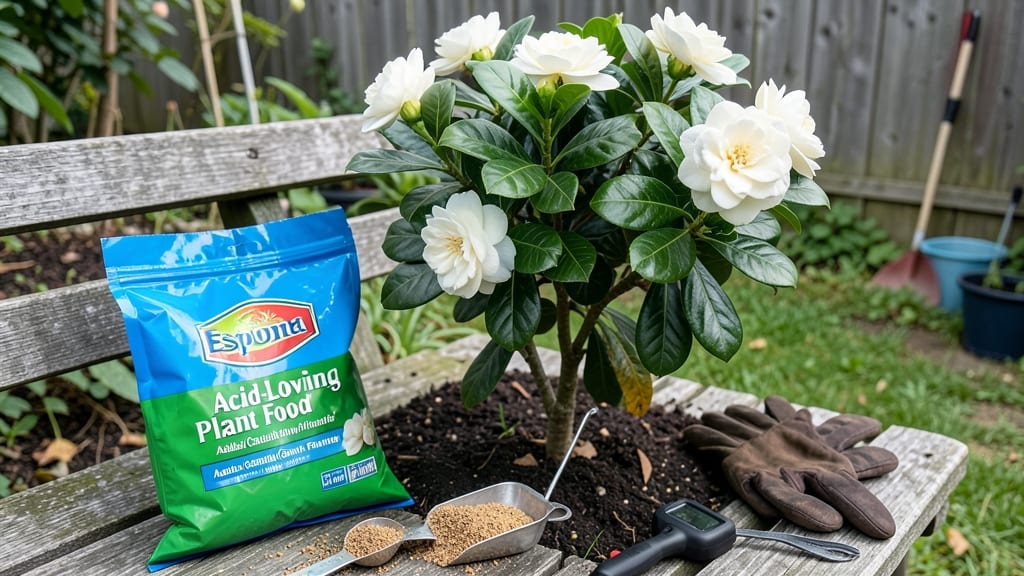
To keep your 🌸 gardenias thriving with glossy leaves and intoxicating blooms, you need acid fertilizer tailored to their exacting soil needs.
Struggling to keep your gardenias blooming vibrantly? The secret lies in their soil pH—and acid fertilizer is the key to unlocking their full potential.
These tropical beauties demand a precise pH range of 4.5-5.5, and without it, you’ll see yellowing leaves, sparse flowers, or even leaf drop. The good news? With the right fertilizer and a simple testing routine, you can restore balance in just a few weeks.
In this guide, I’ll walk you through how to choose the best acid fertilizer (organic or synthetic), when to apply it for maximum impact, and how to spot the signs of over- or under-fertilizing—so your gardenias stay lush all season long.

Why gardenias need acid fertilizer & how to test soil pH levels
If your gardenias are struggling to bloom or their leaves look pale and weak, the culprit might be your soil's pH balance. These tropical beauties thrive in acidic soil with a pH range of 4.5 to 5.5.
Without proper acidity, they can't absorb essential nutrients like iron and phosphorus, leading to poor growth and fewer flowers.
Gardenias are native to Southeast Asia, where their natural habitat includes highly acidic, well-draining soils. When planted in neutral or alkaline soil (pH 7.0+), they become nutrient-deficient, showing symptoms like yellowing leaves, stunted growth, and sparse blooms. This is why acid fertilizer is non-negotiable for their health.
The good news? Testing and adjusting your soil's pH is simpler than you think. Most garden centers sell affordable DIY soil test kits that give you results in minutes.
For precise measurements, professional labs offer detailed soil analysis. Either method will help you determine if your gardenias need more acidity to flourish.
Once you confirm your soil's pH, you can choose the right acid fertilizer. Options like sulfur, peat moss, or iron sulfate are popular for lowering pH levels. Organic choices like cottonseed meal or pine bark fines also work well, breaking down slowly to maintain acidity over time.
Here’s a quick reference to help you understand what your gardenias need:
| Issue | Cause | Solution |
|---|---|---|
| Yellow leaves (chlorosis) | High pH (alkaline soil) | Apply sulfur or iron sulfate to lower pH |
| Stunted growth | Low nutrient uptake | Use acid-loving fertilizer like cottonseed meal |
| Fewer blooms | Imbalanced pH or nutrients | Test soil pH and adjust with peat moss or acid fertilizer |
| Brown leaf edges | Over-fertilization or salt buildup | Flush soil with water and reduce fertilizer |
| Healthy growth | Ideal pH (4.5-5.5) | Maintain with regular acid fertilizer and mulch |
To test your soil’s pH, start by collecting samples from multiple spots around your gardenia’s root zone. Mix these samples together, then use a soil test kit or send them to a lab.
For DIY kits, follow the instructions to mix soil with water, then compare the color to the provided chart. Labs provide more detailed results, including nutrient levels.
If your soil tests above 5.5 pH, you’ll need to amend it with acidifying materials. Spread elemental sulfur around the base of your plant and water it in.
For organic options, mix in pine needles or composted leaves to gradually lower the pH. Re-test your soil after 4-6 weeks to monitor changes.
Remember, gardenias are sensitive to sudden pH shifts. Aim for gradual adjustments—lowering the pH by 0.5 units every few weeks is safer than drastic changes. Pair your acid fertilizer with a balanced, slow-release fertilizer to ensure your gardenias get the nutrients they crave without risking root burn.
Once your soil pH is in the ideal range, your gardenias will reward you with lush foliage and fragrant blooms all season long. Keep an eye on their leaves and growth patterns—they’ll tell you if they’re happy or still need a little more acidity in their world.
With the right soil pH and acid fertilizer, your gardenias will thrive and fill your garden with their intoxicating scent. Happy gardening! 🌸
Best acid fertilizers for gardenias: organic vs. synthetic options compared
Gardenias thrive when their soil pH stays between 4.5 and 5.5, but many gardeners struggle to maintain this acidic environment. Choosing the right acid fertilizer depends on your budget, gardening style, and whether you prefer organic or synthetic options.
Let’s break down the best choices to keep your gardenias blooming beautifully.
Organic fertilizers like cottonseed meal and peat moss are excellent for long-term soil health, while synthetic options such as iron sulfate provide quick acidity adjustments. Each has unique benefits, so understanding their pros and cons will help you make the best decision for your garden.
Organic vs. Synthetic Acid Fertilizers for Gardenias
Cottonseed Meal
- Pros: Slow-release, improves soil structure
- Cons: Takes 4-6 weeks to lower pH
Apply 2-4 lbs per 100 sq ft in early spring.
Peat Moss
- Pros: Holds moisture, long-lasting acidity
- Cons: Not sustainable (harvested from bogs)
Mix 2-3 inches into soil annually.
Iron Sulfate
- Pros: Fast-acting, lowers pH quickly
- Cons: Can cause leaf burn if overused
Apply 1 lb per 100 sq ft every 3-4 months.
Liquid Acid Formulas
- Pros: Quick absorption, easy to apply
- Cons: Requires frequent reapplication
Use every 4-6 weeks during growing season.
For budget-conscious gardeners, cottonseed meal and peat moss are cost-effective organic choices that improve soil health over time. If you need faster results, iron sulfate or liquid acid fertilizers are great synthetic alternatives. Always test your soil pH before applying to avoid over-acidification.
Remember, gardenias are sensitive to excessive acidity, so monitor their leaves for signs of stress like yellowing or brown edges. Adjust your fertilizer type and frequency based on your plant’s response to maintain that perfect 4.5-5.5 pH range.
Start with a small test area if you’re unsure about your gardenia’s tolerance. Over time, you’ll find the right balance for lush, fragrant blooms every season! 🌸