
Vegetables
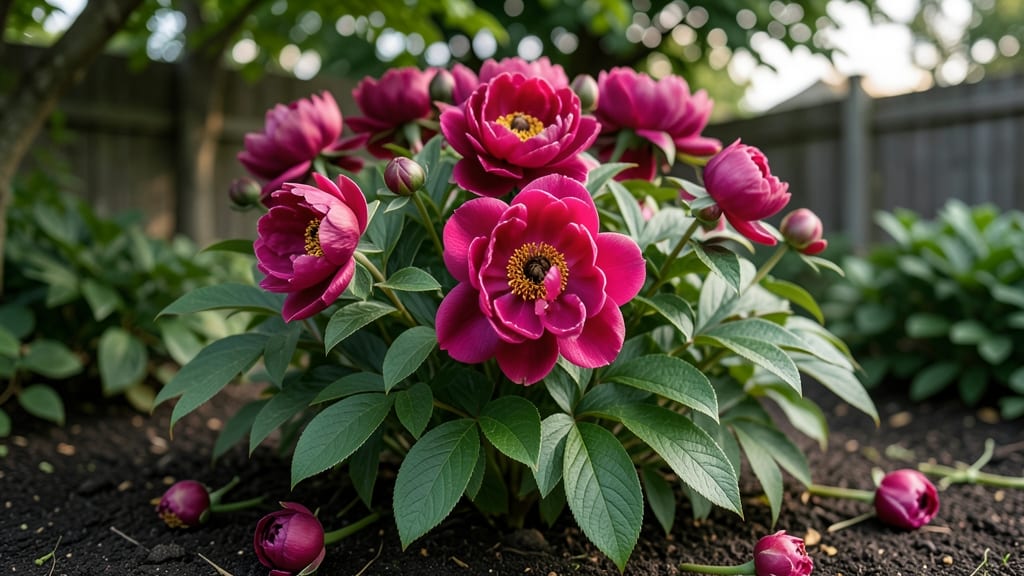
Visiting Adelman Peony Gardens in Oregon reveals over 1,000 rare peony varieties, featuring heirloom and hybrid blooms that peak from late May to early June. The gardens provide guided tours, a gift shop, and a peaceful atmosphere perfect for photography and botanical exploration.
This Oregon treasure isn't just a garden—it's a living museum of peony history, where each bloom carries stories of 19th-century French hybrids and endangered species. 🌸 What sets Adelman apart is its focus on ITP (Intersectional) peonies, which combine the best traits of tree and herbaceous types, creating larger, more vibrant flowers.
The garden's conservation efforts include rare cultivars like Sarah Bernhardt, a legendary double bloom named after the famous actress, and Duchesse de Nemours, a historic pink variety that's a favorite among collectors.
The late May to early June bloom window is critical—this is when the garden transforms into a sea of color, but weather can shift things by a week or two.
I always recommend checking their bloom forecast before planning your trip, as some years may see earlier or later peaks due to Oregon's variable spring climate.
For the best experience, arrive early on weekdays to avoid crowds and take advantage of the docent-led tours, which offer fascinating insights into peony cultivation and the garden's preservation mission.
💡 In This Article
- Peony Varieties and Botanical Highlights at Adelman Gardens
- Planning Your Visit to Adelman Peony Gardens
Peony varieties and botanical highlights at Adelman gardens
The garden's collection of over 1,000 peony varieties represents a botanical treasure trove, carefully curated to showcase the full spectrum of peony evolution. Adelman specializes in Intersectional (ITP) peonies, a hybrid group that combines the hardiness of tree peonies with the vibrant colors of herbaceous types.
These hybrids, like Sarah Bernhardt, feature massive 10-12 inch blooms with layers of petals that create a dramatic, almost sculptural appearance. The garden's heritage collection includes varieties dating back to the 1800s, when French horticulturists first developed these hybrids for their garden displays.
What makes Adelman's collection scientifically fascinating is its focus on genetic diversity preservation. Many of these peonies are heirloom cultivars that would otherwise be lost to modern agriculture.
For example, the Duchesse de Nemours variety, with its pale pink, ruffled petals, was nearly extinct before Adelman acquired cuttings in the 1990s. The garden's cool maritime climate (average 55-65°F during bloom season) creates ideal conditions for peony cultivation, allowing these delicate flowers to reach their full potential.
Visitors often notice how the fragrant blooms release their scent most intensely in the morning sunlight, when temperatures are cooler.
The botanical significance extends beyond aesthetics—many of these peonies play crucial roles in pollinator ecosystems. Adelman's open pollination areas demonstrate how peonies attract bees and butterflies with their high nectar content (up to 0.5% sugar solution in the nectar).
The garden's yellow and white varieties, like Bowl of Beauty, are particularly effective at drawing pollinators early in the season when other flowers are still dormant. This ecological function makes Adelman not just a visual spectacle but an active participant in local biodiversity conservation.
For peony enthusiasts, the garden's labeled demonstration beds provide an educational experience unlike any other. Each variety is planted in 3-5 foot diameter plots with identification markers that include bloom size, color, fragrance level, and hardiness zone (5-8).
What's particularly interesting is how the garden demonstrates color progression—visitors can walk through a spectrum of blooms from deep reds to pure whites, seeing firsthand how light refraction creates the iridescent sheen on petals like those of Coral Charm.
The textural contrast between the velvety petals of Sarah Bernhardt and the satiny surface of Bartzella offers a tactile experience that enhances the visual beauty.
Beyond the showy varieties, Adelman maintains a conservation program for endangered peony species, particularly those threatened by peony wilt disease (caused by the fungus Fusarium oxysporum). The garden's sterile propagation lab uses tissue culture techniques to grow disease-free plants from rare specimens.
This scientific approach ensures that varieties like Paeonia lactiflora 'Duchesse de Nemours' can be preserved for future generations. The garden's research also explores how climate change affects bloom timing, with records showing some varieties now flowering 7-10 days earlier than they did 30 years ago.
The historical dimension adds another layer to the experience. Many of Adelman's peonies were developed for 19th-century European gardens, where they were prized for their symbolic meanings.
For instance, red peonies represented prosperity, while white symbolized bashfulness—a tradition that continues in modern weddings where peonies are often called the "happiness flower".
The garden's Victorian-era varieties like Bowl of Beauty (1886) and Coral Charm (1898) offer a tangible connection to this floral heritage, allowing visitors to see firsthand how horticultural practices have evolved while preserving these botanical legacies.