
Landscaping
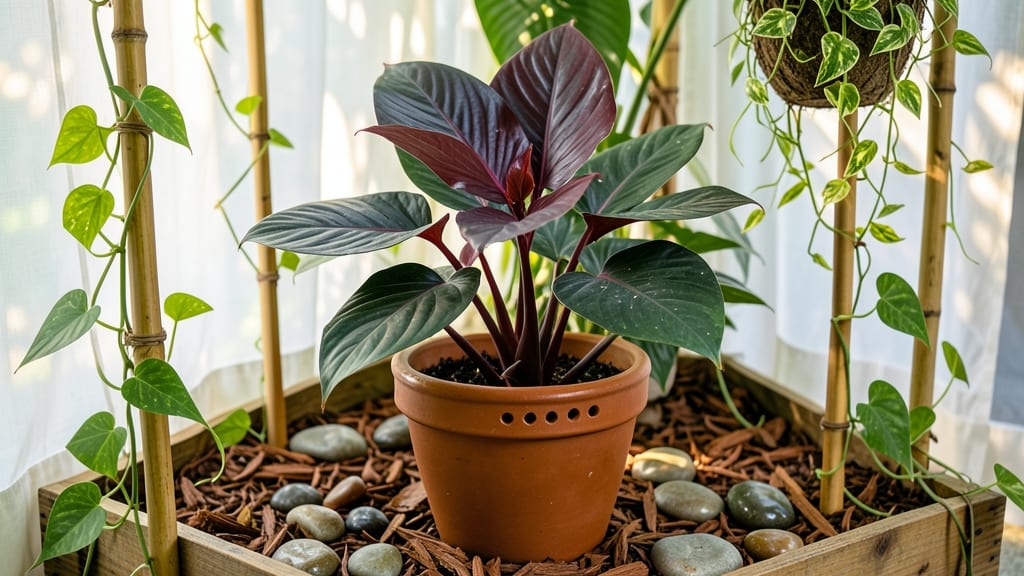
Garden ideas featuring alocasia can turn any space into a stunning tropical retreat, whether indoors or in frost-free zones.
Picture this: bold, glossy leaves reaching toward the sky, casting dramatic shadows that dance across your patio or garden bed. That’s the magic of alocasia—🌿 a plant that thrives in shady spots and elevates even the simplest outdoor corner.
But here’s the catch: pairing alocasia with the right plants and decor isn’t just about aesthetics—it’s about creating a thriving ecosystem. Too much sun? The leaves scorch.
Too little humidity? They wilt. Get it right, though, and you’ll have a year-round focal point that wows visitors and keeps your green thumb happy.
In this guide, I’ll walk you through bold foliage pairings, container styling tricks, and seasonal tips to keep your alocasia looking its best—no matter where you live.
Best alocasia varieties for outdoor gardens and their growing conditions
If you're dreaming of a tropical outdoor oasis, alocasia plants are your secret weapon. These stunning elephant-ear plants thrive in warm climates and add dramatic foliage to any garden. But not all alocasia varieties handle outdoor conditions the same way.
Let’s explore the top outdoor-friendly alocasia varieties and their specific growing needs to help you choose the perfect fit for your space.
For true outdoor success, focus on hardy alocasia varieties like Alocasia zebrina, Alocasia polly, and Alocasia 'Black Magic'. These tropical beauties can handle outdoor conditions in the right climate, but they demand high humidity, rich soil, and protection from frost.
Let’s break down their unique requirements so you can create a thriving alocasia garden.
⚠️ IMPORTANT: Most alocasia varieties are not frost-tolerant. If you live in USDA Zones 9 or below, treat them as seasonal outdoor plants or grow them in containers that can be moved indoors during winter. In Zones 10-12, they can often stay outdoors year-round with proper care.
Here’s a quick comparison of the best outdoor alocasia varieties and their key growing conditions to help you plan your garden layout:
| Variety | Sunlight Needs | Humidity | Soil Type | Mature Height | USDA Zones |
|---|---|---|---|---|---|
| Alocasia zebrina | Bright indirect | 70%+ | Rich, well-draining | 3-4 ft | 10-12 (or container) |
| Alocasia polly | Low to bright indirect | 60%+ | Moist, organic | 2-3 ft | 10-12 (or container) |
| Alocasia 'Black Magic' | Bright indirect | 75%+ | Peat-based, acidic | 4-5 ft | 10-12 (or container) |
| Alocasia 'Dragon Scale' | Low light to bright indirect | 65%+ | Well-draining, fertile | 3-4 ft | 10-12 (or container) |
| Alocasia 'Freddy' | Bright indirect | 70%+ | Moist, organic-rich | 2-3 ft | 10-12 (or container) |
Alocasia zebrina is one of the hardiest outdoor varieties, with striking zebra-striped petioles that add visual interest. It thrives in bright indirect light and high humidity, making it ideal for shady garden corners or under dappled tree canopies. For best results, plant it in well-draining, organic soil mixed with compost to retain moisture without waterlogging.
If you love compact tropical plants, Alocasia polly is a fantastic choice. This smaller variety (reaching just 2-3 feet) is perfect for containers, window boxes, or mixed borders. It tolerates **slightly lower
Stunning alocasia plant pairings for shade and tropical garden designs
Creating a tropical garden oasis with alocasia starts with the right plant pairings. These bold, elephant-ear leaves thrive in shady, humid spots and pair beautifully with other moisture-loving foliage plants. The key is balancing textures and colors while ensuring all plants share similar light and water needs.
For example, pairing Alocasia zebrina with calatheas creates a lush, layered look that mimics a jungle understory.
When designing your shade garden, consider height variation to add depth. Place taller alocasia varieties like Alocasia 'Black Magic' at the back, surrounded by mid-height plants such as philodendrons or nephrolepis ferns.
Smaller alocasia like Alocasia polly can spill over container edges, creating a cascading effect. This layered approach not only looks stunning but also maximizes space in smaller gardens.
| Pairing Combo | Key Features | Light Needs | Humidity Needs | Design Tip |
|---|---|---|---|---|
| Alocasia zebrina + Calathea orbifolia | Velvety leaves, deep green/purple contrast | Low to medium indirect light | 70%+ humidity | Plant calathea at front for movement |
| Alocasia polly + Philodendron hederaceum | Compact growth, trailing vines | Medium indirect light | 60%+ humidity | Use hanging baskets for cascading effect |
| Alocasia 'Black Magic' + Nephrolepis exaltata | Dark foliage, feathery ferns | Low indirect light | 80%+ humidity | Create a jungle corner with mulch |
| Alocasia 'Dragon Scale' + Hosta 'Blue Angel' | Silver variegation, blue-green contrast | Partial shade | 50%+ humidity | Edge alocasia with hosta for texture |
| Alocasia 'Frydek' + Fittonia 'Nerve Plant' | Pink veins, glossy leaves | Low indirect light | 75%+ humidity | Group in terrariums for compact displays |
For moisture-loving pairings, focus on plants that thrive in consistently damp soil. Combine alocasia with mosses or ground covers like Ligularia dentata to create a lush, forest-floor effect.
Add a shallow water feature nearby to boost humidity naturally. This works especially well in container gardens where you can control moisture levels more precisely.
Don't overlook seasonal interest in your alocasia pairings. While alocasia itself is evergreen, adding plants like impatiens or begonias introduces seasonal blooms that complement the foliage. These annuals also help fill gaps during winter months when some tropical plants may slow growth.
Just ensure they share the same shade tolerance to avoid stressing your alocasia.
Pro tip: Use mulch to retain moisture and regulate soil temperature, which is crucial for alocasia's tropical roots. A 2-3 inch layer of orchid bark or coco coir not only suppresses weeds but also mimics the forest floor environment these plants crave.
This simple step can make the difference between thriving and struggling alocasia in your garden.
Remember, the best alocasia pairings create a harmonious balance of form, color, and function. Experiment with different combinations in containers first to see what works before committing to permanent garden beds. With the right mix, your shade garden will become a year-round tropical retreat** that neighbors will envy. 🌿