
Plants
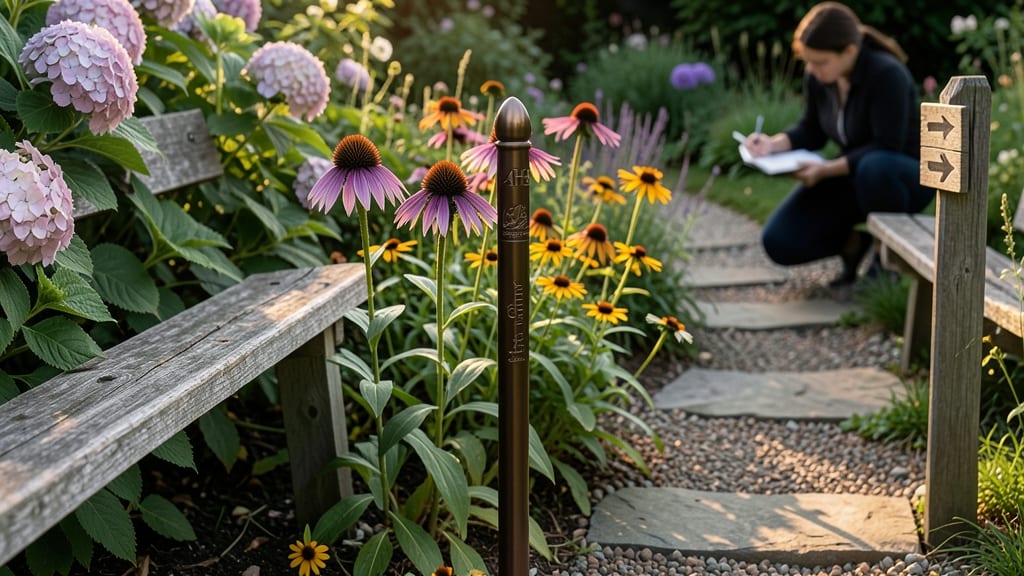
The American Horticultural Society's reciprocal garden network lets plant lovers trade rare seeds, cuttings, and plants through a collaborative catalog system that eliminates shipping costs and promotes global biodiversity.
This program turns gardening into a community effort by connecting enthusiasts across regions. 🌱 Members list what they can offer—like heirloom seeds or unusual perennials—then request items from others' catalogs.
Regional coordinators handle logistics, ensuring swaps happen smoothly without expensive shipping. It's how I've gotten hard-to-find plants like Japanese maple varieties that wouldn't survive commercial shipping.
The real magic happens when you realize this isn't just about getting plants—it's about preserving botanical diversity. Many rare cultivars would disappear without networks like this. I've seen gardeners trade 100-year-old apple trees or native wildflowers that can't be bought anywhere else.
The system works because everyone benefits: you get what you need, and your excess becomes someone else's treasure.
💡 In This Article
- How the AHS Reciprocal Garden Network Facilitates Plant Sharing
- Top Benefits of Joining the AHS Seed and Plant Exchange
How the AHS reciprocal garden network facilitates plant sharing
The American Horticultural Society's reciprocal garden network operates on a simple yet powerful principle: shared resources, shared knowledge.
When you join, you start by creating a profile in the AHS Plant Exchange catalog, where you list what you can offer—whether it's heirloom tomato seeds, unusual hosta varieties, or hard-to-find perennials.
The catalog uses a standardized format that includes details like plant size, maturity stage, and growing conditions, ensuring transparency for all members.
This digital catalog is searchable by region, plant type, and even specific traits like drought tolerance or cold hardiness, making it easier than ever to find exactly what you need.
Once your catalog is live, you can browse other members' listings and request plants through the network's secure messaging system. Here's where regional coordinators come into play—they act as local liaisons, verifying requests and ensuring swaps happen smoothly.
For example, if you're in Zone 5 and request a Mexican sunflower (Tithonia rotundifolia) from a gardener in Zone 9, the coordinator might suggest a mail-ready cutting that can survive the journey.
The network prioritizes plants that thrive in the recipient's climate zone, reducing the risk of failed exchanges. 🌱 What makes this system unique is that shipping costs are covered by the network itself, thanks to collective contributions from members.
The actual exchange process is designed to be low-stress. When you receive a request, you simply prepare the plant according to the network's guidelines—whether that means packaging seeds in envelope-sized paper packets or carefully wrapping cuttings in damp sphagnum moss.
The coordinator then arranges for the item to be shipped via the most efficient (and often free) method, whether that's through the USPS, local plant swaps, or even in-person hand-offs at regional gardening events.
This hands-off approach means you can participate without worrying about logistics, making it accessible even for busy gardeners.
What most people don't realize is how the network's digital platform integrates with real-world gardening communities. The AHS catalog isn't just a static list—it's a dynamic tool that updates in real time as members add new offerings or fulfill requests.
For instance, if you're searching for rare lavender varieties in July, you'll see which gardeners have just harvested and are ready to share. The platform also includes forums where members discuss growing tips, troubleshoot plant care, and share photos of their successes.
This combination of digital and grassroots elements is what makes the network so effective—it bridges the gap between online convenience and the tactile experience of gardening.
One of the network's most innovative features is its seed viability tracking system. When you list seeds for exchange, you can indicate their age and storage conditions, while requesters can filter for seeds that have been stored properly (e.g., in cool, dry conditions with 50% humidity or less).
This ensures you're not wasting time or resources on seeds that might not germinate. For example, tomato seeds typically retain viability for 4-5 years when stored correctly, but the network helps you find the freshest options available.
This attention to detail is why the exchange has a 92% success rate for seed swaps, according to AHS data.
For those who prefer hands-on interactions, the network also organizes regional plant swaps where members can meet in person to exchange plants, share gardening tips, and even barter for non-plant items like gardening tools or books.
These events often take place in public gardens, nurseries, or community centers and are advertised through the AHS platform. For example, the New England chapter hosts an annual "Seed Swap Extravaganza" where hundreds of gardeners gather to trade everything from native wildflower seeds to unusual fruit tree grafts.
These events not only facilitate exchanges but also strengthen the sense of community that makes the network so special.