
Pests
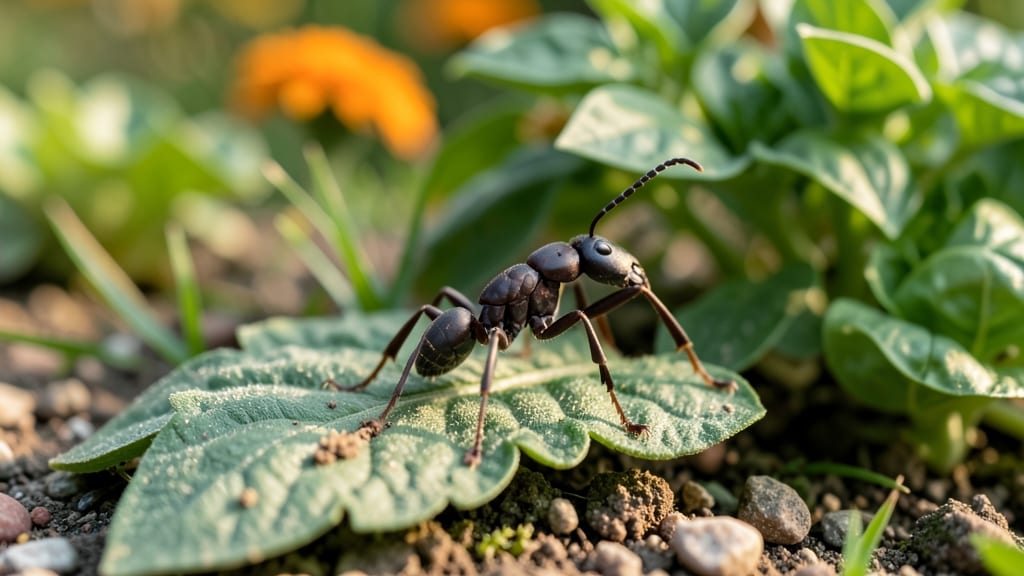
Ants are beneficial to a garden by aerating soil, dispersing seeds, and controlling pests like aphids, but they can also damage plants by harvesting sap or disturbing roots—balancing their ecological role is key for healthy ecosystems.
Ants play a dual role in gardens, acting as both allies and occasional nuisances. Their soil-tilling habits improve drainage and aeration, while their seed dispersal helps new plants establish. 🔥 However, some species can become pests by tapping into plant sap or creating tunnels near roots.
The key is identifying which ants are helping your garden thrive—and which ones might need gentle persuasion to relocate.
For example, harvester ants break down organic matter, enriching the soil, while leafcutter ants cultivate fungi that decompose plant material. On the flip side, carpenter ants can weaken wood structures, and Argentine ants may protect pests like mealybugs in exchange for honeydew.
Understanding these trade-offs helps gardeners make informed decisions about pest control strategies.
If you notice ants clustering on your plants, observe their behavior before acting. Many gardeners use natural deterrents like diatomaceous earth or citrus peels to redirect ants without harming beneficial species. The goal isn't elimination but maintaining a balanced ecosystem where ants contribute more than they disrupt.
💡 In This Article
- How Ants Improve Soil Health and Plant Growth
- Managing Ants in Your Garden: Pros, Cons, and Solutions
How ants improve soil health and plant growth
Ants act as tiny soil engineers, creating intricate tunnel systems that improve aeration and water drainage. A single colony can excavate up to 100 feet of tunnels per year, breaking up compacted soil and allowing roots to penetrate deeper.
This natural tilling mimics the benefits of manual aeration but happens continuously, especially with species like harvester ants that actively redistribute soil particles. 🔥 The result is healthier root development and reduced soil erosion, particularly in clay-heavy or dense soils where water often pools.
Beyond physical soil modification, ants contribute to nutrient cycling through their waste products. Worker ants consume organic matter like dead insects, fallen leaves, and plant debris, then excrete nitrogen-rich frass (ant feces) back into the soil.
Studies show that ant colonies can increase soil nitrogen levels by 15-25% in their immediate vicinity, creating micro-hotspots of fertility. Leafcutter ants take this further by cultivating fungi gardens in underground chambers, where they decompose plant material into digestible nutrients that enrich the surrounding ecosystem.
Their role in seed dispersal is equally vital. Ants like the harvester ant carry seeds away from parent plants, burying them at safe distances where they can germinate without competition. This process, called myrmecochory, accounts for 20-30% of seed dispersal in some ecosystems, particularly for plants like violets and trilliums.
The ants remove the seed's outer coating (elaiosome) for food, but the seed itself remains intact and viable, ready to sprout when conditions are right. This natural gardening service helps maintain plant diversity and prevents overcrowding of certain species.
However, not all ant-soil interactions are beneficial. Some species, particularly carpenter ants, create tunnels in wood mulch or plant stems that weaken structural integrity. Argentine ants, while excellent at controlling small pests, often form supercolonies that disrupt local ecosystems by outcompeting native species.
The key is recognizing which ants are performing ecosystem services versus those causing harm—often determined by their diet and nesting habits. 💫
Consider the case of fire ants, which create mounds that alter soil chemistry. While their mounds may seem destructive, they actually create localized areas of higher phosphorus and potassium levels, beneficial for certain plants.
The trade-off is their aggressive nature, which can harm beneficial insects. Gardeners must weigh these factors when deciding whether to intervene or allow ants to fulfill their ecological roles.
To encourage beneficial ants, plant native species that attract them, like clover or dandelions, which provide food and nesting sites. Avoid broad-spectrum pesticides that kill both harmful and helpful ants.
Instead, use targeted solutions like borax baits for carpenter ants or citrus oil sprays for Argentine ants, which disrupt their colonies without harming the soil ecosystem. The goal is harmony, not eradication.