
Pests
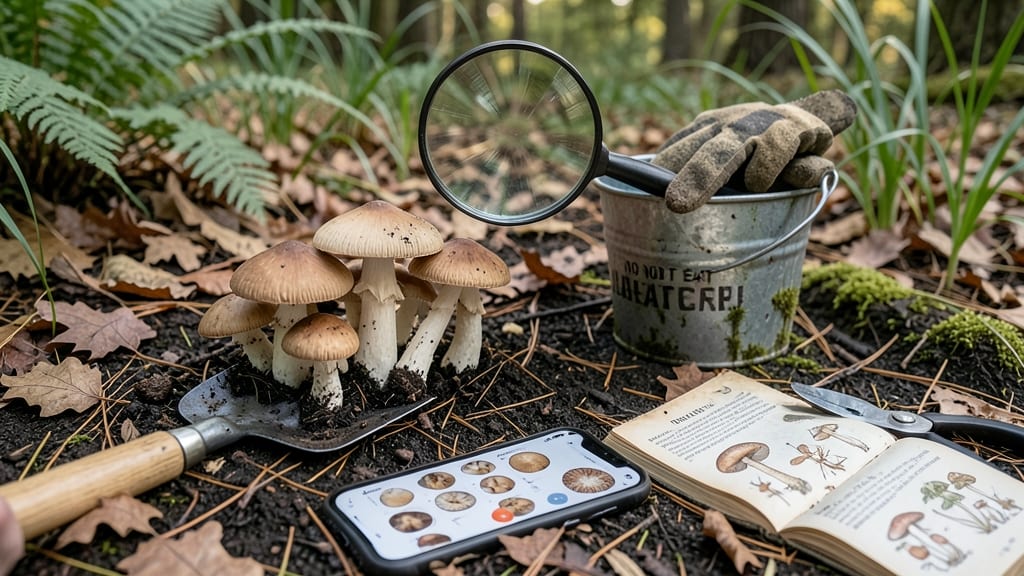
Are mushrooms in my garden bad? They aren't automatically harmful—they often reflect nutrient-rich soil from decomposing organic material, but certain types can signal drainage issues or excess moisture. While most are harmless, some varieties may spread aggressively or harm nearby plants if left unmanaged.
Most garden mushrooms are actually beneficial decomposers that break down dead plant matter and recycle nutrients back into the soil. 🌱 The key is identifying whether they're part of nature's cleanup crew or signs of underlying problems like poor drainage or decaying wood.
For example, shelf fungi growing on logs are normal, but mushrooms sprouting in neat circles (fairy rings) may indicate compacted soil beneath. If you notice plants wilting near the mushrooms, that's your cue to investigate moisture levels or root health.
When mushrooms become a concern, the solution often starts with simple soil adjustments. Adding sand or organic mulch can improve drainage, while reducing irrigation during rainy seasons prevents excess moisture buildup.
For stubborn cases, a vinegar spray (1:1 ratio) can deter new growth without harming beneficial organisms. Always remove the mushroom base completely—leaving it behind encourages regrowth.
💡 In This Article
- What Mushrooms in Soil Actually Mean for Garden Health
- How to Manage Garden Mushrooms Without Harming Plants
What mushrooms in soil actually mean for garden health
Mushrooms serve as nature's recyclers, breaking down dead organic material through a process called decomposition. Their presence often signals a soil ecosystem rich in nutrients like nitrogen and phosphorus, which plants can absorb.
For example, mushrooms growing on decaying logs or leaf litter are actively converting complex materials into simpler compounds, enriching the soil with humus—a crumbly, nutrient-dense material that improves water retention and aeration. 🌱 In fact, some mushroom species form symbiotic relationships with plant roots, helping them access nutrients more efficiently.
The type of mushroom can reveal specific soil conditions. Fairy ring mushrooms, which grow in perfect circles, often indicate compacted soil beneath that restricts root growth and water drainage. These rings occur when fungal mycelium decomposes organic matter in a circular pattern, leaving a ring of mushrooms at the edge.
Shelf fungi growing on wood, on the other hand, are usually harmless and simply indicate the presence of decaying wood, which can actually provide habitat for beneficial insects. The key difference lies in their location—soil-dwelling mushrooms affect plant health directly, while wood-dwelling varieties rarely do.
Mushroom growth patterns also reflect moisture levels. Excessive moisture creates ideal conditions for fungal spores to germinate, which is why you might see mushrooms after heavy rains or poor drainage. In contrast, drought-resistant mushrooms like those in the Lyophyllum genus thrive in well-drained soils.
The texture of the soil matters too: mushrooms prefer loose, organic-rich soil where mycelium can spread easily. Compacted clay soils, common in urban gardens, often lead to mushrooms sprouting at the surface while roots struggle below.
Not all mushrooms are beneficial, though. Some varieties, like the honey mushroom (Armillaria mellea), can form extensive underground networks that weaken tree roots and spread disease. These aggressive fungi can kill plants by competing for nutrients and blocking water uptake.
The difference between helpful and harmful mushrooms often comes down to their scale—small, localized growth is usually benign, while widespread or rapidly expanding patches warrant attention. 🍄 Always check for wilting plants or discolored leaves near mushroom clusters, as these are red flags.
Here's what to watch for in your garden:
- Beneficial signs: Small clusters on logs or leaf litter, no plant damage nearby
- Neutral signs: Fairy rings with healthy grass in the center, shelf fungi on dead wood
- Concerning signs: Mushrooms with gills (like honey mushrooms) spreading rapidly, plants wilting in the area
The best way to tell if mushrooms are helping or hurting is to examine their surroundings. Healthy soil mushrooms often appear after you've added compost or mulch—they're a sign your garden is breaking down organic matter efficiently.
But if you notice mushrooms appearing after watering or in areas where plants struggle, that's your garden crying out for better drainage or less frequent irrigation. 💧