
Container Gardens
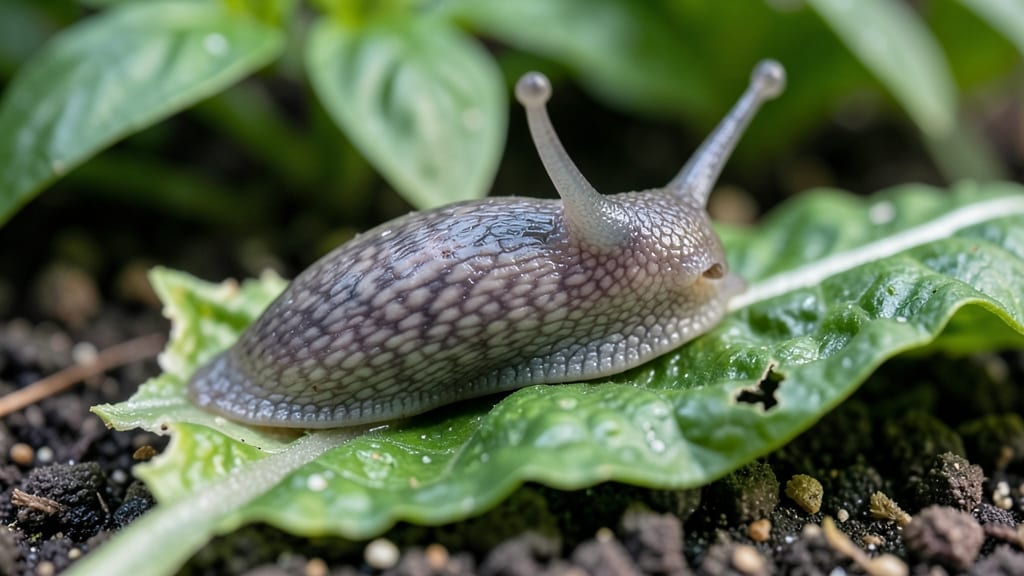
Slugs are bad for gardens because they devour young seedlings, leaves, and flowers, leaving behind ragged holes and stunted plant growth. Their nocturnal feeding habits make them particularly destructive to tender plants like lettuce, hostas, and marigolds.
These slimy pests aren't just annoying—they can decimate your garden overnight. 🌱 Slugs secrete enzymes that dissolve plant cell walls, creating the signature slime trails while they feast. Their favorite targets are low-growing plants with soft foliage, like basil and strawberries, which they can completely strip in a single night.
The damage isn't just cosmetic; slugs often transmit diseases through their slime, further weakening plants. What's worse, they thrive in moist conditions, making spring and summer particularly challenging seasons for gardeners.
Even more frustrating is how quickly they multiply—one slug can lay up to 40 eggs at a time, leading to infestations that spread faster than you can say "organic garden."
The key to protection lies in understanding their behavior: they avoid rough textures and certain scents, which is why natural barriers and repellents work so well. But the battle isn't just about repelling them—it's about creating an ecosystem where their predators (like birds and beetles) have a fighting chance too.
💡 In This Article
- How Slugs Damage Plants and Identify Their Feeding Patterns
- Natural Slug Control Methods for Organic Gardens
How slugs damage plants and identify their feeding patterns
Slugs wreak havoc in gardens using a two-step attack system. First, they release digestive enzymes from their saliva that break down plant cell walls, turning crisp foliage into mush within minutes.
These enzymes are so effective that they can dissolve plant tissue at a rate of 0.5 millimeters per hour—meaning a single slug can create visible damage in just 20 minutes of feeding.
Their preferred targets are young seedlings because the tender stems offer minimal resistance, while mature plants have thicker cell walls that slow down their progress.
The visual evidence of slug activity is unmistakable: look for irregular holes with smooth edges on leaves, stems, or flowers, often accompanied by shiny, silver slime trails that glisten in morning light.
Unlike chewing insects that create jagged tears, slugs leave behind perfectly rounded bites—almost like someone used a tiny cookie cutter on your plants. 🌿 They also have a sweet tooth for decaying organic matter, which is why you might find them clustered near rotting fruit or compost piles during the day when temperatures drop below 65°F.
Not all slug damage is immediately visible. Their feeding weakens plants by reducing photosynthesis capacity—each hole acts like a tiny wound that drains the plant's energy reserves. Over time, this leads to stunted growth, yellowing leaves, and even plant death in severe cases.
The worst offenders include lettuce, hostas, marigolds, and strawberries, but they'll happily munch on nearly any green plant if given the chance. Their nocturnal nature makes them particularly sneaky; most gardeners only notice the damage after sunrise.
Interestingly, slugs aren't entirely villainous in garden ecosystems. They help decompose organic matter and serve as food for beneficial predators like ground beetles, frogs, and birds.
The key is maintaining balance—when their population explodes due to excessive moisture or lack of natural predators, that's when they become a serious problem. Understanding their behavior helps gardeners implement targeted solutions without disrupting the entire ecosystem.
One often overlooked detail is how slugs navigate gardens. They follow moisture gradients and chemical cues, which is why they're drawn to freshly watered soil or plants treated with certain fertilizers.
Their bodies are 80-90% water, so they constantly seek hydration—this explains why they're most active after rain or during humid nights. This moisture dependency is both their weakness and their strength, as it makes them predictable but also resilient to many conventional pest control methods.
To confirm slug activity, check for these three key indicators: slime trails (which can stretch up to 12 inches per night), chewed leaves with smooth edges, and small holes in fruit.
The slime isn't just a byproduct—it contains mucus proteins that help them glide effortlessly while protecting their delicate bodies from dehydration. This same slime can also spread fungal diseases between plants, making slugs both a direct and indirect threat to garden health.