
Pests
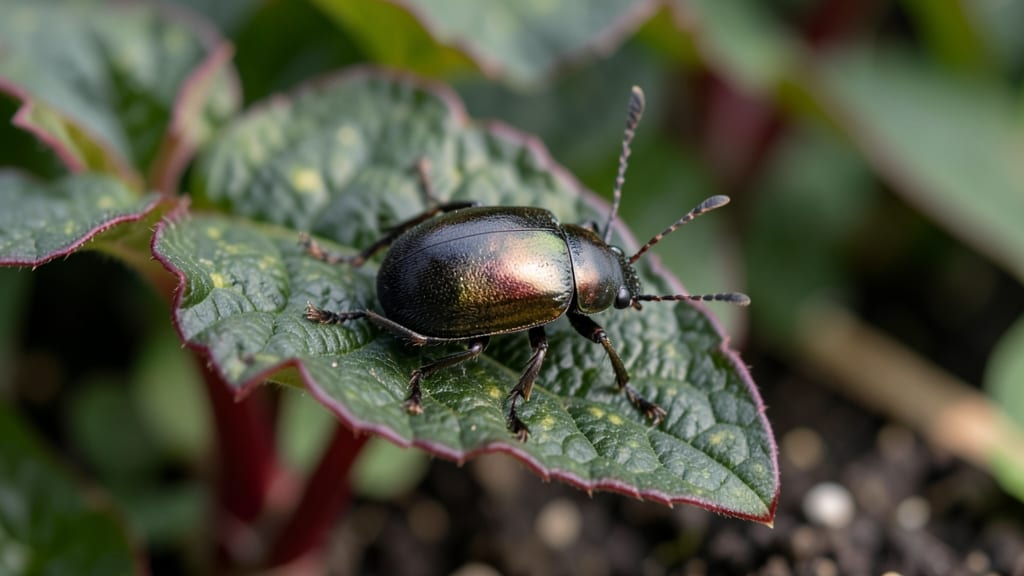
Spotting and removing Asiatic garden beetles early can save your garden from devastating damage before it even starts.
Your lush garden could be under silent attack by these voracious pests—these dark brown beetles and their white grub larvae can destroy lawns, vegetables, and ornamental plants overnight. But with the right knowledge, you can spot them early and stop their damage before it spreads.
These beetles thrive in warm climates, feasting on grass roots, garden plants, and even young seedlings. If left unchecked, they can turn a thriving garden into a chewed-up mess in just a few weeks.
In this guide, I’ll walk you through how to identify these pests at every life stage, the most effective natural and chemical removal methods, and long-term prevention strategies to keep your garden healthy and beetle-free.
How to identify Asiatic garden beetle larvae and adults in your garden
Spotting Asiatic garden beetles early can save your lawn and garden from devastating damage. These pests go through two distinct life stages—larvae and adults—each with unique identifying features and feeding habits.
The larvae (often called white grubs) and adult beetles both wreak havoc, but knowing what to look for helps you act fast. I’ll walk you through their physical traits, where to find them, and how they behave so you can catch them before they destroy your plants.
Asiatic garden beetle larvae are the most destructive stage, feeding on grass roots and garden plant roots underground. They’re cream-colored with a slight brown head and grow up to 1.5 inches long. These grubs thrive in moist, well-drained soil, often hiding just beneath the surface.
If you see patches of yellowing grass or plants that pull easily from the soil, larvae are likely the culprit. They’re most active from late spring to early fall, aligning with their host plants’ peak growth periods.
Adult Asiatic garden beetles emerge in June and July and are easily identifiable by their dark brown or black shells, about 0.5 inches long. Their wings are folded flat over their backs, giving them a distinctive, rounded appearance. Unlike many beetles, they’re not strong fliers but can move quickly across lawns and garden beds. Look for them feeding on foliage at night—they prefer leaves, flowers, and even young vegetables. During the day, they’ll hide in mulch, leaf litter, or under rocks.
Here’s a quick comparison to help you distinguish between the two stages and other common pests:
| Feature | Asiatic Garden Beetle Larvae (White Grubs) | Asiatic Garden Beetle Adults | Similar Pests to Rule Out |
|---|---|---|---|
| Size | Up to 1.5 inches long | About 0.5 inches long | Japanese beetle larvae (larger, up to 1.75 inches) |
| Color | Cream-colored with brown head | Dark brown or black | June beetle adults (larger, coppery-brown) |
| Activity Time | Most active underground (late spring-fall) | Feed at night, hide during day | Firefly larvae (glow in dark, harmless) |
| Damage Signs | Yellowing grass, plants pull easily | Chewed leaves, flowers, and fruit | Cutworms (chew stems at soil level) |
| Where to Find Them | Grass roots, garden soil (1-2 inches deep) | Mulch, leaf litter, under rocks | Grubs in compost piles (harmless species) |
To confirm an infestation, dig up a small section of lawn or garden soil (about 6 inches square and 2 inches deep). Look for the creamy grubs curled into a C-shape. If you find 5+ grubs per square foot, you’ve got a problem that needs immediate attention.
For adults, inspect your plants at dusk or dawn when they’re most active. Shake leaves over a white tray or bucket to spot them easily.
One of the biggest clues is the time of year. Larvae appear in late spring and do most of their damage through summer, while adults show up in June and July. If you notice damage in early summer, it’s likely from last year’s larvae.
Keep an eye out for skunks or raccoons digging up your lawn—they’re natural predators of white grubs and often give away their presence.
Adult Asiatic garden beetles have a distinctive feeding pattern: they prefer the edges of leaves, creating a skinning effect where they eat the soft tissue between veins. This is different from Japanese beetles, which chew irregular holes.
If you see this pattern on your roses, grapes, or vegetables, you’re probably dealing with Asiatic garden beetles. They also target strawberries, raspberries, and other soft fruits, making them a nuisance in both ornamental and edible gardens.
If you’re still unsure whether you’ve spotted Asiatic garden beetles, consider their life cycle. Females lay eggs in soil or thatch in early summer, and the larvae hatch in about 2 weeks. They’ll overwinter in the soil and resume feeding the following spring.
This means if you see damage in May or June, it’s likely from larvae that survived the winter. Understanding this cycle helps you time your control efforts effectively.
Don’t wait until you see visible damage to act. Regularly inspect your lawn, garden beds, and mulch areas for signs of these pests. Early detection gives you the best chance to protect your plants before the beetles become a full-blown infestation. In my own
Step-by-step guide to removing Asiatic garden beetles naturally and chemically
Once you’ve identified Asiatic garden beetles in your yard, acting quickly is key to protecting your lawns, vegetables, and ornamental plants. These pests thrive in warm weather, so timing your removal efforts during their larval and adult stages maximizes effectiveness.
Below, I’ll walk you through proven methods—from organic solutions to targeted chemical controls—so you can choose what works best for your garden.
Start by focusing on manual removal for visible adults, then move to soil treatments for hidden larvae. The key is consistency—Asiatic garden beetles reproduce rapidly, so a single treatment won’t suffice. Combine methods for long-term control, especially if your yard has high-value plants or a history of infestations.
Step-by-Step Removal Process
- Step 1: Manual Picking
Handpick adult beetles at dusk or dawn when they’re most active. Drop them into a bucket of soapy water to kill them instantly. Focus on lawn edges, mulch, and garden beds where they feed. - Step 2: Apply Neem Oil
Mix 1 tbsp neem oil with 1 quart water and a drop of dish soap. Spray foliage and soil at weekly intervals during larval stages (May–July). Neem disrupts their feeding and molting. - Step 3: Use Milky Spore
Apply milky spore powder to lawns in late spring to target larvae. This organic bacteria thrives in soil, killing grubs for up to 20 years with repeated use. - Step 4: Beneficial Nematodes
Water Heterorhabditis bacteriophora nematodes into soil in early evening when larvae are active. These microscopic worms seek out and kill grubs within 48 hours. - Step 5: Chemical Insecticides
For severe infestations, use imidacloprid or bifenthrin granules or sprays. Apply to lawns and garden beds following label instructions, focusing on high-risk areas like vegetable patches. - Step 6: Lawn Aeration
Aerate your lawn in early fall to expose hidden larvae to predators like birds and beneficial insects. This also improves soil health, making it harder for beetles to thrive. - Step 7: Monitor and Repeat
Check for beetles weekly during peak seasons (June–August). Repeat treatments every 4–6 weeks if signs of reinfestation appear.
For vegetable gardens, prioritize neem oil or nematodes to avoid chemical residue on edible plants. If you choose chemical controls, harvest crops 7–14 days after application to stay safe. Always wear gloves and follow product safety labels to protect yourself and beneficial insects.
Timing is everything with Asiatic garden beetles. Target larval stages (May–July) for soil treatments and adults (June–August) for manual removal. Early intervention prevents root damage and lawn thinning, saving you from costly repairs later in the season.
Remember, a healthy lawn is your best defense. Regular mowing, proper watering, and overseeding with tall fescue or ryegrass make your yard less appealing to these pests. Combine these steps with seasonal monitoring, and you’ll keep your garden thriving—beetle-free! 🌱