
Planting
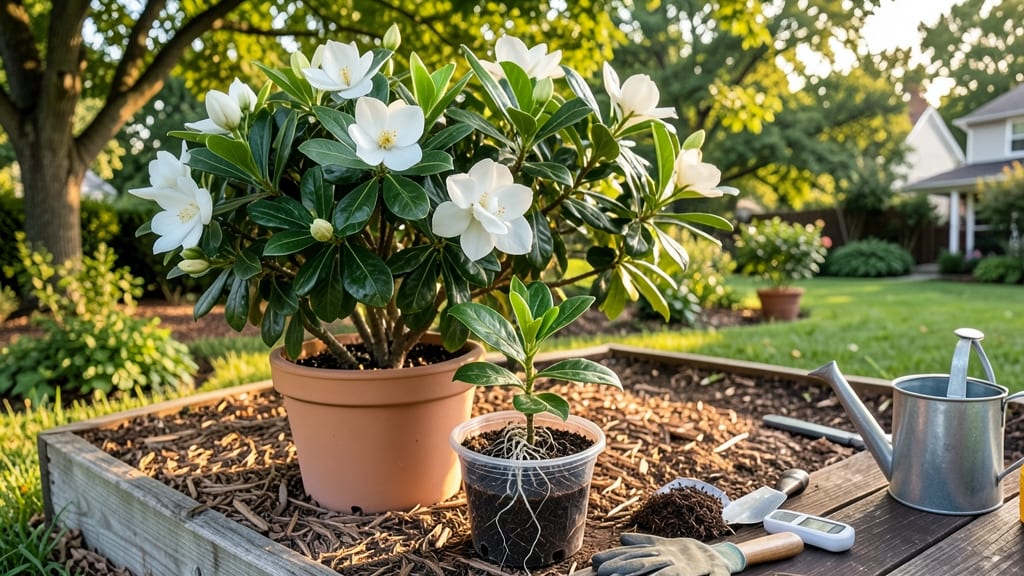
Planting gardenias at the best time means waiting until soil warms to 65°F+—any earlier, and you risk stunted growth or wilting blooms.
Gardenias 🌸 thrive in warmth but struggle when planted too early, and Southern gardeners know the stakes: a single late frost can turn months of effort into a sad, brown shrub. The secret? Timing it right—when the ground is finally ready and the air holds just enough heat.
This isn’t just about avoiding frost; it’s about giving your gardenia the ideal start for lush, fragrant blooms. In USDA zones 7-11, that means waiting until April or May, but coastal areas can plant a week earlier.
Below, I’ll break down the exact soil temperature timeline, how to test readiness, and the post-planting care that keeps your gardenia thriving.
You’ll also discover whether gardenias grow better from seeds or cuttings, how to protect young plants from unpredictable spring weather, and the one trick that prevents bud drop before flowering season even begins.

Southern heat zones: exact soil temperature timeline for planting gardenias
Gardenias are heat-loving shrubs that refuse to thrive when planted in chilly soil. The secret to their success lies in waiting until the ground warms to at least 65°F—any earlier, and your plant will struggle to establish roots.
Southern gardeners know this means timing your planting between late April and early June, but the exact window varies by USDA zone and microclimate.
Coastal areas warm up faster than inland spots due to moderating ocean breezes, while inland regions may need to wait weeks longer. For example, Zone 11 gardeners might plant as early as mid-March, while Zone 7 gardeners should hold off until late May.
The key is monitoring soil temperature, not just air temperature, because that’s what your gardenia’s roots actually feel.
To test soil temperature accurately, use a soil thermometer buried 2-3 inches deep. If you don’t have one, dig a small hole and press your hand into the soil—if it feels warm to the touch (like a freshly baked pie), it’s likely ready.
For a DIY method, place a thermometer in a glass of water near your planting spot and check it daily until it hits 65°F consistently.
Here’s how Southern heat zones break down for gardenia planting, including coastal vs. inland adjustments:
If your soil temperature lingers below 60°F despite the calendar suggesting spring, don’t rush—gardenias hate transplant shock. Instead, use a cold frame or row cover to create a mini greenhouse and warm the soil artificially.
Place the cover over the planting hole for 2-3 days before transplanting to acclimate the roots gently.
Once planted, mulch heavily with pine bark or pine straw to retain heat and moisture. This mimics the humid, shaded forest floors where gardenias naturally grow.
In Zone 7 and 8, I’ve seen gardenias planted in June thrive just as well as those planted in April—the difference was soil warmth, not the calendar date.
For container gardenias, the rules are slightly different. Potted plants warm up faster because containers absorb and retain heat better than soil. You can plant container-grown gardenias 2-3 weeks earlier than in-ground plants, but still wait for 65°F soil.
Just be sure to harden off potted plants by moving them outdoors during the day for a week before final planting.
Pro tip: Observe your azaleas—they’re in the same Rhododendron family as gardenias and often bloom when soil is ready. If your azaleas are bursting with flowers, it’s a natural sign that gardenias can go in the ground.
This biological cue has saved me from planting too early more times than I can count!
Signs your gardenia soil is Finally Ready (And What to Do If It’s Not)
Your gardenia soil is ready for planting when the air temperature consistently stays above 60°F at night and the soil reaches 65°F+ at a depth of 6 inches. This warmth signals the start of active root growth, which is crucial for establishing your fragrant gardenia shrubs.
Look for dormant buds on nearby plants—when they begin to swell, it’s a natural cue that conditions are ideal.
Another clear sign is the color of your soil. Dark, rich brown or black soil indicates warmth and moisture retention, perfect for acid-loving gardenias. If the soil appears lighter or has a grayish tint, it’s still too cool.
Additionally, check for dew formation in the mornings—this suggests humidity levels are optimal for planting.
⚠️ callout-warning
⚠️ Warning: Planting Too Early
Planting gardenias before soil reaches 65°F+ risks root rot or stunted growth. Even if buds are swelling, cold soil can shock roots. Use a soil thermometer ($10 at garden centers) to confirm—65°F+ at 6 inches deep is non-negotiable for Southern gardeners.
🌱 Pro Tip: Test soil at 10 AM for the most accurate reading.
If your soil isn’t ready yet, don’t rush—gardenia roots are sensitive to cold. Instead, use a temporary cold frame or row cover to create a microclimate. These low-cost solutions (available at hardware stores for under $20) can raise soil temperatures by 5-10°F, accelerating readiness.
Place the frame over your planting area and monitor soil temps daily.
For gardeners in coastal areas, humidity plays a bigger role. If the air feels consistently damp (like after a rain), your soil may warm up faster due to moisture retention.
In contrast, inland areas with dry air may need extra mulch (like pine straw) to retain heat. Always prioritize well-draining soil—gardenia roots hate soggy conditions, even when warm.
Once your soil is ready, plant your gardenia on a cloudy day to reduce transplant shock. Water deeply before and after planting to encourage root expansion into the warm soil. Avoid fertilizing immediately—wait 4-6 weeks to let roots establish before introducing acid-loving fertilizer (like 10-10-10).
Watch for new leaf growth within 2-3 weeks of planting—this is your best indicator that roots have taken hold in the ideal 65°F+ soil. If leaves appear yellow or wilted, it may signal overwatering or nutrient stress, common in newly planted gardenias.
Adjust your care and give your plant time to adjust to its warm, fragrant future.