
Pruning
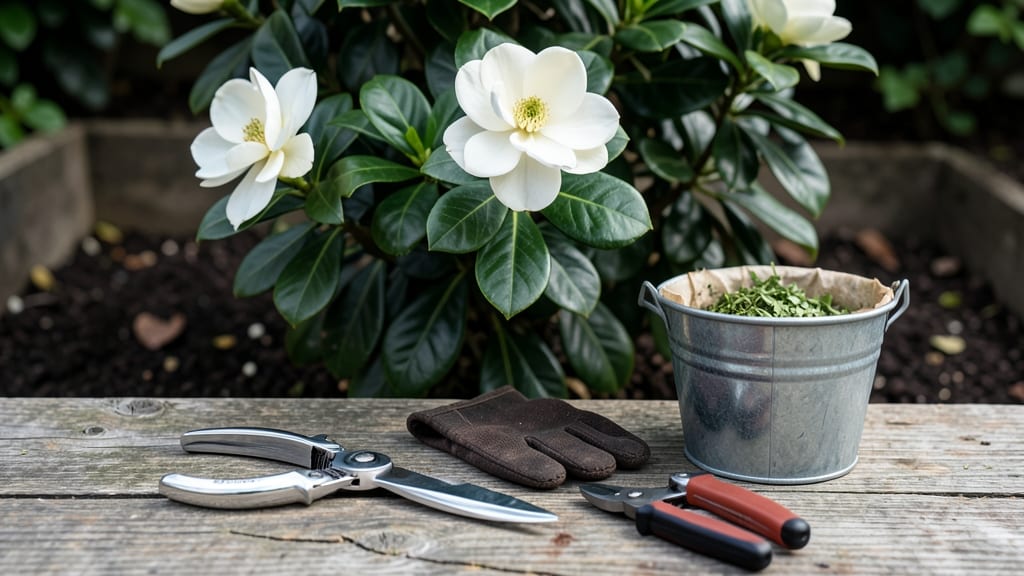
Trimming gardenias at the right time is the key to stronger spring blooms and healthier growth 🌸 — and late winter is when you should do it.
Picture this: You’ve waited all year for those fragrant white blooms, only to find your gardenia putting out sparse, weak flowers. That’s often a sign you pruned at the wrong time.
The best window is just before new growth starts, usually February to early March in most regions, but timing shifts with your climate zone.
Why does this matter? Pruning too early risks frost damage, while waiting too long can stunt next season’s buds. In colder zones like 6a, aim for late winter after the worst frost danger has passed.
Warmer climates can trim a bit later, but never after blooms appear—you’ll sacrifice next year’s flowers.
Below, I’ll walk you through the exact steps, from tools to techniques, so your gardenia thrives with vibrant, abundant blooms come spring. No more guesswork—just lush, fragrant perfection.
Why late winter is the best time to trim gardenias
If you’ve ever wondered why your gardenias struggle to bloom as beautifully as they should, the answer likely lies in your pruning timing. Late winter is the optimal window for trimming these fragrant shrubs, and science backs up this practice.
During dormancy, gardenias conserve energy, making them resilient to pruning while preparing for the spring growth surge that follows. This strategic timing ensures your plant doesn’t waste energy on damaged or dead branches, redirecting it instead toward lush foliage and abundant flowers.
The key to successful late winter pruning is understanding your plant’s dormancy cycle. Gardenias enter dormancy as temperatures drop and daylight shortens, typically between late November and early February, depending on your climate zone.
Pruning during this period—just before new growth begins—stimulates fresh shoots and blooms. Think of it as giving your gardenia a fresh start before the growing season kicks into high gear.
| Climate Zone | Ideal Pruning Window | Why This Timing Works | Avoid Pruning When |
|---|---|---|---|
| Cold Regions (Zones 6-8) | Late February to early March | After last frost risk; plant wakes from dormancy | Before frost or during active growth |
| Mild Regions (Zones 9-11) | January to February | Cooler months signal dormancy; minimal frost risk | During summer heat or rainy season |
| Tropical Regions (Zones 12+) | Late December to January | Dry season; minimal pest pressure | During monsoon or high humidity |
One of the biggest mistakes gardeners make is pruning too early in winter. If you trim gardenias in deep winter, you risk exposing the plant to late-season frosts, which can damage tender new growth.
On the flip side, pruning too late—after buds have formed—can reduce flowering potential for the upcoming season. The goal is to prune just as the plant begins to stir from dormancy, which is typically when you notice the first signs of swollen buds or leaf buds.
Late winter pruning also plays a crucial role in air circulation and disease prevention. By removing dead, diseased, or crossing branches, you create an open canopy that reduces humidity buildup and fungal risks.
Gardenias are prone to powdery mildew and root rot, so improving airflow is a proactive step toward keeping your plant healthy. Additionally, shaping your gardenia during this time encourages a bushier growth habit, which translates to more blooms in the spring.
For gardeners in colder climates, timing is even more critical. Aim to prune after the last expected frost date in your area. If you’re unsure, check your local USDA hardiness zone and plan accordingly.
For example, in Zone 7, late February is ideal, while in Zone 9, you can prune as early as January. The rule of thumb is to wait until you see 10-15% of the buds beginning to swell—this is your cue that the plant is ready for a trim.
Another scientific benefit of late winter pruning is the hormonal response it triggers in gardenias. When you make clean cuts just above a bud or leaf node, you encourage the plant to redirect its energy toward new growth rather than maintaining old, weak branches.
This hormonal shift is what leads to vibrant spring blooms and a more robust plant structure. It’s like hitting the reset button on your gardenia’s growth cycle, ensuring it enters the active growing season with full vigor.
If you’re still unsure about the exact timing, look for these visual cues: the presence of tight, green buds along the stems and the start of leaf bud formation. These signs indicate that the plant is transitioning out of dormancy and is primed for pruning.
Avoid pruning if you see active leaf growth or open flowers, as this can stress the plant and delay blooming.
Finally, consider the climate-specific adjustments needed for your region. In mild winter climates, like those in California or Florida, gardenias may not experience a true dormancy period. In these cases, prune in late January to early February to avoid encouraging new growth during the cooler months.
For colder regions, like the Midwest or Northeast, wait until mid-to-late February to ensure frost isn’t a risk.
By mastering the art of late winter pruning, you’ll set your gardenias up for a show-stopping spring display. The combination of scientific timing, climate awareness, and proactive care ensures your plants thrive year after year.
So grab your pruners, mark your calendar, and give your gardenias the fresh start they deserve! 🌸
Step-by-step late winter gardenia pruning guide
Late winter is the perfect window to prune your gardenia shrubs for a burst of spring blooms. This is when your plant enters dormancy, making it resilient to pruning while avoiding frost damage.
The key is acting before new growth emerges—typically between late January and early March in most USDA zones. If you live in a warmer climate (zones 9-11), aim for February to avoid early spring heat stress.
Before you begin, gather your tools: sharp bypass pruners, sterilized rubbing alcohol, and gloves. Sterilizing your tools prevents spreading disease between cuts. Look for dead, diseased, or crossing branches—these are your first targets.
Healthy branches have a smooth green bark and flexible stems, while unhealthy ones appear brown, mushy, or hollow. Never trim more than one-third of the plant at once to avoid shocking it.
Step-by-Step Late Winter Gardenia Pruning Guide
- Step 1: Remove Dead/Diseased Wood – Cut out any brown, brittle, or moldy branches at the base using clean pruners. This improves airflow and prevents pests.
- Step 2: Trim Crossing Branches – Look for branches rubbing against each other. Cut one back to the nearest bud to create space for healthier growth.
- Step 3: Shape for Bushier Growth – Prune the outer edges to encourage a fuller shape. Focus on 1/3 of the plant’s height for balance.
- Step 4: Thin Overcrowded Areas – If branches are too dense, remove selective inner stems to improve light penetration and reduce disease risk.
- Step 5: Sterilize Tools Between Cuts – Wipe pruners with rubbing alcohol after each cut to prevent bacterial spread.
- Step 6: Apply Mulch – Spread 2-3 inches of mulch around the base to retain moisture and protect roots from temperature swings.
When shaping your gardenia, always cut just above a leaf node or outward-facing bud. This ensures new growth emerges in the right direction. Avoid top-heavy cuts, which can weaken the plant. If you’re unsure, take a photo of your gardenia before pruning—it helps visualize the final shape.
For older gardenias, focus on rejuvenation cuts by trimming back 1/3 of the oldest stems to encourage younger, more vigorous growth.
After pruning, give your gardenia a light fertilizer (like a balanced 10-10-10) to support spring recovery. Water deeply but avoid soaking the soil, which can cause root rot. Monitor for new growth in 2-4 weeks—a sign your pruning was successful!
If you notice yellowing leaves or stunted buds later, it may mean you pruned too late or too aggressively.
Remember, gardenias are sensitive to stress, so patience is key. If you miss late winter, wait until early spring (just before buds swell) for your next chance. Avoid pruning in fall or summer, as it can reduce flowering or invite pests.
With the right timing and technique, your gardenia will reward you with fragrant blooms all season long! 🌸