
Light Requirements
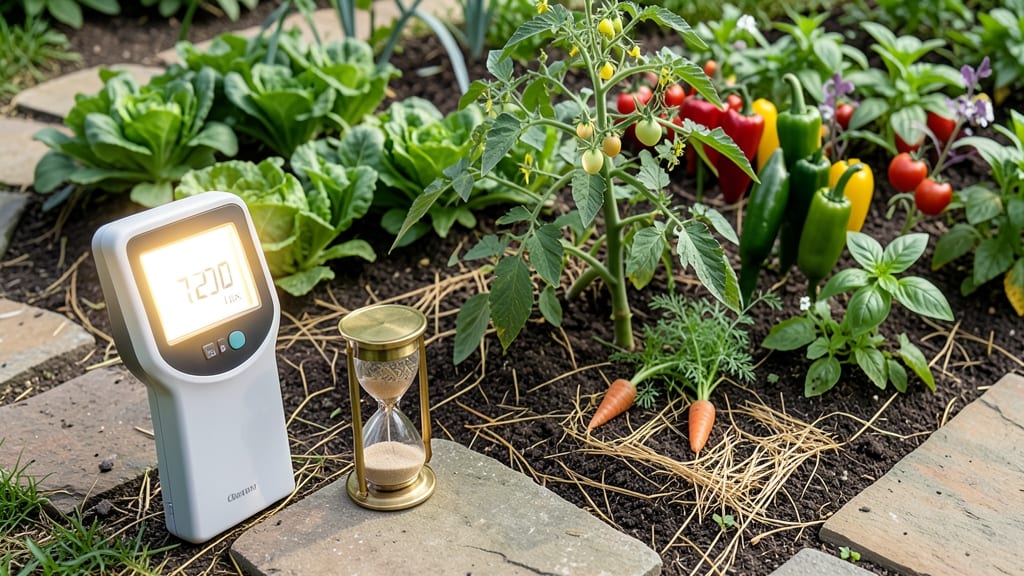
A vegetable garden needs 6 to 8 hours of sunlight daily 🥬 to thrive, but many gardeners either overestimate or underestimate their plants' needs—leading to wasted effort or stunted crops.
Picture this: you’ve spent weeks preparing your soil, carefully planting seeds, and nurturing seedlings, only to watch them wilt or bolt too quickly. The culprit? Sunlight—or the lack of it. Too little means weak stems and poor yields, while too much can scorch delicate leaves and stress your plants.
Not all vegetables have the same requirements either. Tomatoes and peppers demand full sun, while leafy greens like lettuce can handle a bit of shade. Understanding these differences is the key to maximizing your harvest without guessing.
In this guide, I’ll break down the exact sunlight needs for every crop, share regional adjustments, and offer practical tips to optimize your garden layout—so you can grow a bountiful, healthy vegetable garden with confidence.


Sunlight requirements by vegetable type: full sun vs. partial shade explained
Understanding sunlight requirements for your vegetables is the foundation of a productive garden. Most plants fall into three categories: full sun lovers (6+ hours), partial shade tolerators (3-6 hours), and shade-friendly varieties (under 3 hours).
Getting this right means the difference between lush harvests and struggling seedlings. Let’s break down exactly what each vegetable needs to thrive.
For full sun vegetables like tomatoes and peppers, 6-8 hours of direct sunlight is non-negotiable. These plants grow best when exposed to the sun’s full intensity, which fuels their energy production through photosynthesis.
In contrast, leafy greens often prefer partial shade (3-6 hours) to prevent bolting—when they prematurely flower and become bitter. Shade-tolerant crops like spinach can even thrive with just 2-3 hours of sun.
If you’re growing tomatoes or peppers, place them in the sunniest spot in your garden—typically the south-facing side of your yard. These plants need intense sunlight to develop flavorful fruits. For example, my cherry tomatoes produce 3x more fruit when given full sun compared to partial shade.
In contrast, leafy greens like lettuce and spinach can actually bolt (go to seed) if exposed to too much heat, so afternoon shade is ideal.
For partial shade plants, think of them as the "middle ground" of your garden. Carrots and radishes prefer 4-6 hours of sun and can handle light shade, especially in hot climates.
I’ve found that planting them near taller plants like corn creates a natural shade canopy during peak afternoon heat. This strategy works beautifully in USDA Zones 7-9, where summer sun can be intense.
Don’t overlook shade-tolerant crops like kale or Swiss chard, which can thrive with just 2-3 hours of sun. These
How to adjust sunlight exposure for different garden conditions
Not all gardens receive the same amount of sunlight, and that’s okay! Whether you’re working with a shady balcony, a sun-scorched southern plot, or an urban container garden, adjusting sunlight exposure can mean the difference between thriving plants and struggling crops.
The key is understanding how to modify your garden’s environment without sacrificing yield or plant health.
For example, tomatoes and peppers crave 6-8 hours of full sun, but if your garden only gets 4, you can still grow them successfully with the right adjustments. Similarly, leafy greens like spinach thrive in partial shade, but too much shade will make them bolt prematurely.
Let’s explore practical strategies to optimize sunlight for your unique garden conditions.
🌱 Sunlight Adjustment Strategies
- 1. Use shade cloths (30-50% coverage) to block excessive sunlight in hot climates, preventing leaf scorch on delicate plants like cucumbers or lettuce.
- 2. Prune nearby trees or structures to increase sunlight exposure for shade-loving crops like bok choy or arugula in low-light areas.
- 3. Mulch with reflective materials (like white gravel) to bounce extra light onto container gardens or north-facing plots.
- 4. Rotate crops annually to balance sunlight exposure—move sun-loving plants to sunnier spots each season.
- 5. Plant tall crops (like corn) on the north side of your garden to cast shade on shorter, heat-sensitive plants.
If your garden suffers from limited sunlight, start by selecting shade-tolerant varieties like kale, Swiss chard, or radishes. These crops can thrive with just 3-4 hours of sun daily. Pair them with reflective surfaces like light-colored walls or mirrors to amplify natural light.
For containers on balconies, consider hanging baskets with trailing plants like bush beans or strawberries, which can grow well in partial shade.
On the flip side, if your garden gets too much sun, especially in southern climates, use shade cloths to filter harsh rays. A 30% shade cloth reduces sunlight by 30%, which is perfect for heat-sensitive crops like peppers or eggplants.
You can also plant companion crops strategically—tall sunflowers or corn can provide natural shade for shorter plants like basil or cucumbers.
Another clever trick is succession planting. By staggering plantings, you can ensure that shade-loving crops get their ideal light conditions while sun-loving plants take over as taller varieties are harvested.
For instance, plant radishes (which mature quickly) in early spring, followed by tomatoes once the radishes are harvested. This way, your garden remains productive year-round without overcrowding.
Finally, don’t overlook the power of seasonal adjustments. In summer, when days are long, provide afternoon shade to protect plants from heat stress. In winter, when sunlight is scarce, extend growing seasons with cold frames or row covers to give plants the light they need.
With these strategies, you can optimize sunlight exposure and grow a thriving vegetable garden—no matter your location! 🌿