
Vegetables
The Staten Island Botanical Garden offers a stunning array of plant collections, seasonal displays, and themed gardens like Japanese and rose gardens, all accessible for free across its 9.6-acre property. This hidden gem provides year-round beauty and educational opportunities for visitors of all ages.
The Staten Island Botanical Garden is more than just a green space—it's a living classroom where you can explore native Staten Island flora alongside exotic species from around the world. 🌿 Spring brings vibrant tulips and azaleas, while summer showcases the famous rose collection with over 300 varieties.
The conservatory features rare orchids and tropical plants that thrive year-round, making every visit feel like a new discovery. What sets this garden apart is its commitment to accessibility, with free admission and well-maintained trails perfect for families, photographers, and plant enthusiasts alike.
Don't miss the seasonal events like the Autumn Foliage Festival or the Winter Holiday Lights display, which transform the garden into a magical experience. The Japanese garden offers a serene escape, while the rose garden provides the perfect backdrop for photography.
With guided tours and educational programs available, this botanical haven caters to both casual visitors and serious gardeners looking to expand their knowledge.
💡 In This Article
- Exploring Staten Island Botanical Garden’s Plant Collections and Seasonal Beauty
- Tips for Visiting Staten Island Botanical Garden Like a Pro
Exploring Staten Island botanical garden’s plant collections and seasonal beauty
The Staten Island Botanical Garden's plant collections are meticulously curated to showcase both regional biodiversity and global botanical wonders.
The native plant garden features over 100 species indigenous to Staten Island, including rare wildflowers like the Staten Island groundsel (Senecio staatenis) and native shrubs that thrive in the area's unique soil composition.
This section serves as an educational hub for understanding local ecosystems, with interpretive signs explaining each plant's ecological role and traditional uses by the Lenape people.
Seasonal transformations create a dynamic experience throughout the year. In spring, the 2,000-square-foot tulip display bursts into color with 15,000 bulbs planted in carefully calculated patterns to create wave-like visual effects.
Summer brings the star attraction: the rose garden's 300+ varieties, including heirloom roses like 'Souvenir de la Malmaison' and modern hybrids that bloom continuously from June through September.
The garden's conservatory maintains 70-80°F humidity levels year-round, allowing tropical plants like the Jewel of Opar orchid (Ludisia discolor) to display their striking marbled foliage.
What makes the garden's collections special is their scientific approach to plant placement. The perennial border follows a color wheel arrangement, grouping plants by their bloom times and complementary hues to create visual harmony.
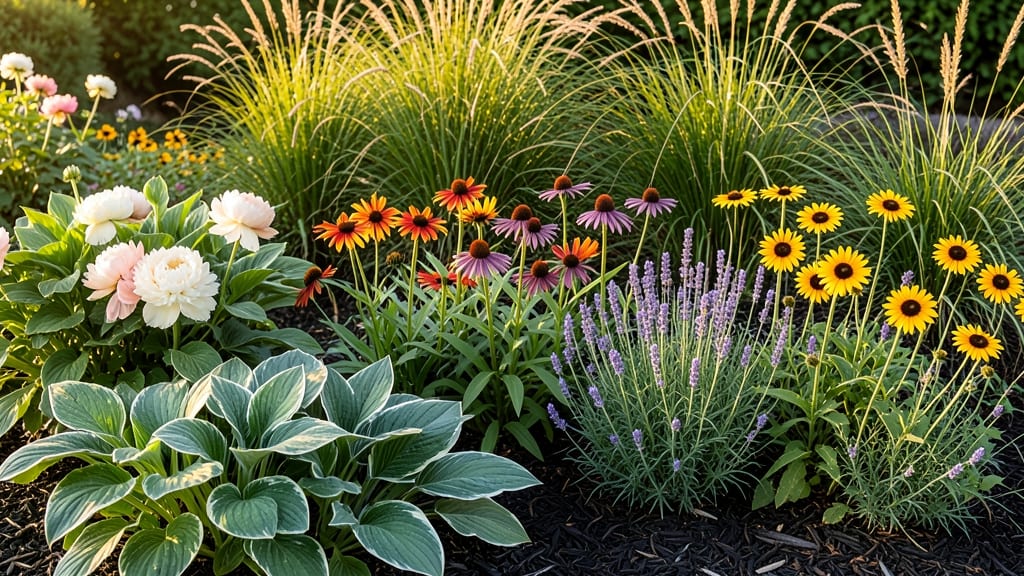
For example, the purple coneflower (Echinacea purpurea) stands beside goldenrod (Solidago spp.) to create a warm autumn palette that lasts from August through November. This strategic planting extends the garden's visual appeal well beyond the peak bloom seasons.
The themed gardens offer distinct sensory experiences. The Japanese garden features 12 varieties of maples carefully selected for their autumn foliage, with leaves ranging from fiery reds to deep purples.
The fragrance garden includes 18 aromatic plants like lavender, rosemary, and jasmine, with labels noting peak scent times (typically early morning). These sensory details transform a simple walk into a multi-dimensional botanical adventure.
For plant enthusiasts, the garden's propagation area demonstrates horticultural techniques firsthand. Visitors can observe how leaf cuttings develop roots in a 68°F misting chamber, while the seed library offers free samples of native seeds for visitors to take home.
This hands-on approach makes the garden not just a passive viewing experience, but an active learning environment.
One often-overlooked feature is the night garden, which uses low-voltage lighting to highlight nocturnal plants like the moonflower (Ipomoea alba) that only opens after sunset. This section demonstrates how gardens can be enjoyed after dark, creating a magical experience that many visitors miss during daytime hours.
The lighting design uses warm white LEDs (2700K) to preserve the natural colors of foliage while creating dramatic shadows.
What truly sets Staten Island Botanical Garden apart is how it balances scientific rigor with accessible beauty. The garden's 12,000-square-foot greenhouse maintains precise environmental controls, while the outdoor spaces are designed for intuitive exploration.
Whether you're admiring the 30-foot-tall dawn redwood (Metasequoia glyptostroboides) or smelling the vanilla orchid (Vanilla planifolia) in the conservatory, every element serves both educational and aesthetic purposes. 🌸