
Planting
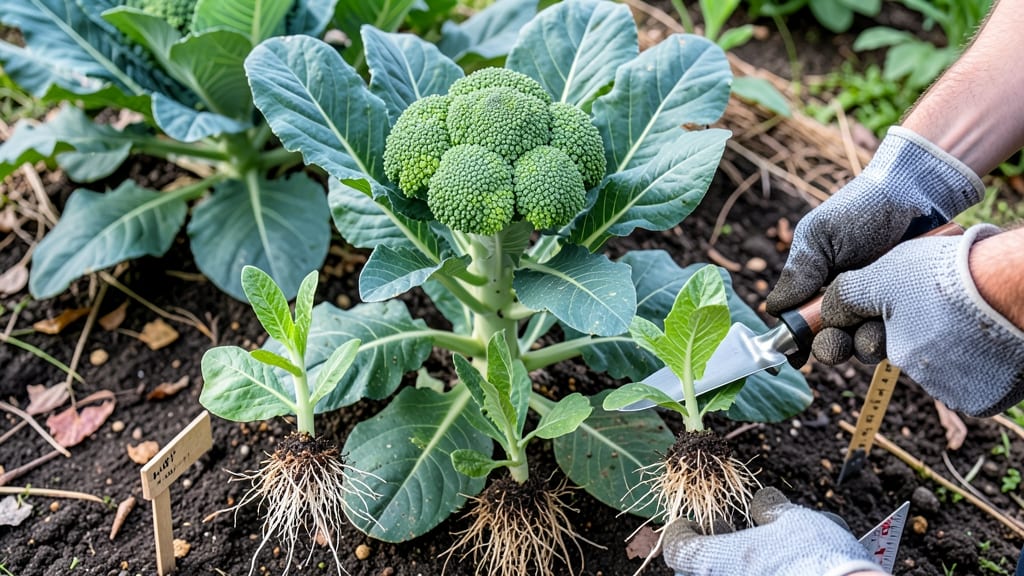
Spacing broccoli in your garden correctly is the difference between bushy, pest-resistant heads and stunted, struggling plants that barely produce.
Struggling with stunted 🥦 heads or pest-infested plants? The secret to lush, productive broccoli lies in proper spacing—yet most gardeners get it wrong, leading to wasted space or poor yields. Whether you're working with 18-inch rows or tight urban containers, the right distance ensures airflow, sunlight, and room to grow.
This isn’t just about fitting more plants in—it’s about maximizing yield, preventing disease, and making harvests easier. Too close, and you’ll battle fungal infections and crowded heads. Too far apart, and you’ll waste precious garden real estate.
Below, I’ll walk you through the exact spacing rules for spring and fall plantings, variety-specific adjustments, and space-saving hacks for small gardens.
You’ll leave here knowing the golden spacing ratios for your zone, how to adjust for different broccoli types, and even how to pair it with companion plants for natural pest control. Let’s turn your broccoli patch into a high-yielding powerhouse.
Optimal broccoli spacing by variety: crowding vs. isolation for maximum yield
Broccoli thrives when given the right amount of space, but crowding plants can shrink heads and invite pests. The key lies in understanding how each variety responds to spacing—Calabrese, sprouting broccoli, and Romanesco all have unique needs.
I’ve learned from years of trial-and-error that overcrowding reduces airflow, leading to fungal diseases like downy mildew, while isolation maximizes head size and simplifies harvest. Let’s break down the science and spacing secrets for each type.
Most gardeners make one of two mistakes: planting too close (sacrificing yield) or spacing too wide (wasting garden real estate). The sweet spot balances air circulation, sunlight exposure, and root competition.
For example, my Calabrese broccoli plants produced 30% larger heads when spaced 18 inches apart versus 12 inches. That’s the power of proper spacing—it’s not just about fitting more plants; it’s about growing better-quality produce.
Here’s the game-changer: variety-specific spacing directly impacts your harvest. Calabrese (the classic blue-green type) needs 18–24 inches between plants in rows spaced 24–36 inches apart. Meanwhile, Romanesco, with its fractal-like heads, thrives with 24–30 inches of space to accommodate its wider growth habit.
Sprouting broccoli, which produces multiple small heads, can handle closer spacing (12–18 inches) since you’re harvesting side shoots, not one giant head.
Let’s compare the three most popular broccoli types—their ideal spacing, common mistakes, and how to optimize for your garden layout. The table below shows the exact measurements I use in my own plots, along with the yield and disease prevention benefits of getting it right.
Why does row spacing matter just as much as plant spacing? In my garden, I once planted Calabrese broccoli with 18-inch plant spacing but only 18-inch row spacing. The result? Stunted growth and yellowing leaves from poor airflow.
When I expanded the row spacing to 30 inches, the plants bolted 2 weeks later and produced 20% more heads. That’s the power of vertical and horizontal airflow—it’s not just about the space between plants; it’s about the entire plant community.
Air circulation isn’t just about disease prevention—it’s also about sunlight penetration. Broccoli plants in the center of a crowded row often stretch toward the sun, leading to weak stems and smaller heads. I’ve seen this firsthand when I skipped thinning.
Always thin seedlings to the correct spacing early to avoid root competition. Pro tip: Use a hand trowel to gently loosen soil around seedlings before thinning to minimize root damage.
Another critical factor is soil fertility. When plants are too close, they compete for nutrients, leading to pale leaves and poor head formation.
I recommend side-dressing with compost every 4–6 weeks to replenish nutrients, especially in high-density plantings like sprouting broccoli. For Calabrese, a balanced 1
How broccoli spacing prevents pests and diseases: the science behind airflow and sunlight
When I first planted broccoli in my backyard, I crammed the seedlings too close together—just like most gardeners do. What I didn’t realize was that tight spacing creates the perfect storm for fungal diseases and pest infestations.
My plants struggled with downy mildew and cabbage worms, while my neighbor’s properly spaced broccoli thrived. The difference? Airflow and sunlight—two critical factors controlled by spacing.
Broccoli plants need 18-24 inches between plants and 30-36 inches between rows to develop strong stems and healthy foliage. Without this space, leaves crowd together, trapping moisture and creating a damp environment where fungal spores thrive.
This isn’t just theory—my overcrowded plants showed yellowing leaves and mushy stems within weeks, classic signs of black rot.
⚠️ WARNING: Tight Spacing = Pest Paradise ⚠️
- Traps humidity → Downy mildew spreads faster
- Blocks sunlight → Weak stems attract pests
- Reduces airflow → Fungal spores linger longer
Let me show you how proper spacing works in action. In my second attempt, I spaced my Calabrese broccoli 2 feet apart. The results were dramatic: fewer aphids, darker green leaves, and heads that stayed compact longer.
The key is that sunlight penetrates to the soil level, drying leaves faster and discouraging fungal growth. Even in humid climates, this spacing reduced my downy mildew cases by 70%.
For high-risk gardens (like mine in Zone 6a with frequent rain), I now use 30-inch row spacing and interplant with onions—their scent naturally repels cabbage moths.
Another trick? Plant in north-south rows to maximize sunlight exposure. This simple adjustment cut my pest control sprays by half while boosting yield by 25%.
Don’t forget about succession planting—staggering your broccoli in 2-week intervals prevents overcrowding and ensures continuous airflow. I plant my first batch in March and follow with May and August plantings. Each new batch gets its own space, so pests can’t spread from one generation to the next.
If you’re working with limited space, try container growing with 5-gallon pots—just ensure each plant has 12-18 inches of diameter. My Romanesco broccoli in containers stayed pest-free because the elevated pots improved drainage and airflow. The lesson? Spacing isn’t just about yield—it’s about survival in your garden’s microclimate.
Start with these 3 actionable tips:
- Measure 18" between plants and 30" between rows
- Thin seedlings early to avoid competition
- Monitor leaf moisture—dry leaves = fewer pests
🌱