
Planting
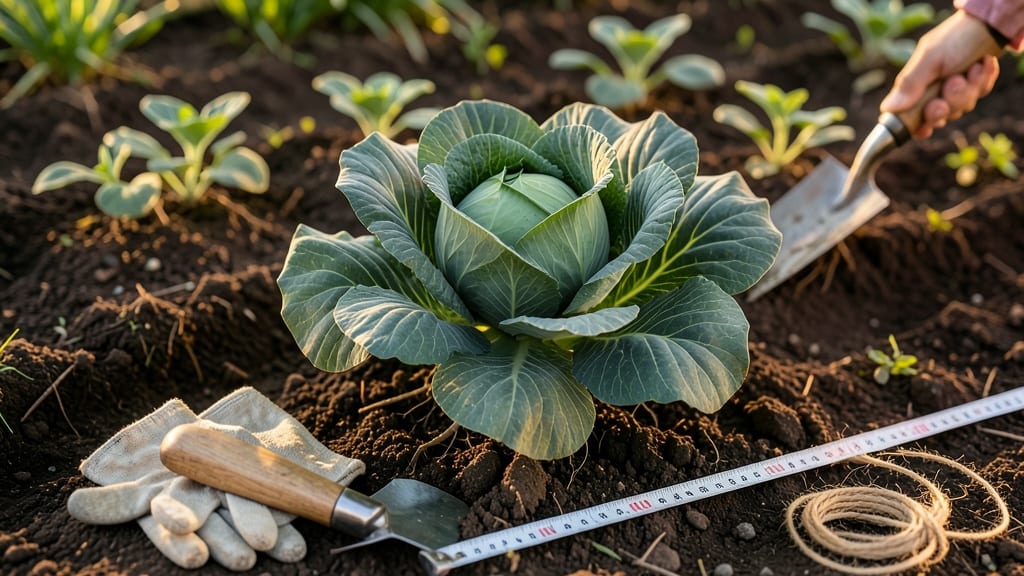
Proper cabbage garden spacing determines whether you’ll harvest market-size heads or end up with stunted, disease-prone plants fighting for every inch of soil.
Picture this: you’ve spent weeks nurturing your 🥬 seedlings, only to watch them bolt or split open because they’re too crowded. That’s not just a waste of time—it’s a missed opportunity for the crisp, firm heads you’re dreaming of.
The right spacing isn’t just about fitting more plants; it’s about giving each one room to thrive.
In this guide, I’ll break down the exact row distances for heading cabbage, leaf varieties, and even dwarf types, plus how to tweak spacing for your soil and climate.
Whether you’re working with a 4-foot raised bed or a sprawling backyard, these proven layouts will boost your yield and cut down on thinning headaches.
You’ll also learn how to spot (and fix) the most common spacing mistakes—like overcrowded rows or uneven plant placement—that leave your cabbage struggling. By the end, you’ll know exactly how far apart to space your plants for bigger heads, fewer pests, and easier harvests.
Optimal cabbage plant spacing by variety type (row & plant distances)
Cabbage isn't just one plant—it's a family with dozens of varieties, each needing its own spacing rules for peak performance. From tight-headed green cabbage to loose-leaf varieties, proper spacing determines whether you'll harvest market-size heads or struggle with stunted growth.
I've grown everything from miniature cabbages to giant savoy types, and the right spacing makes all the difference in yield and disease prevention.
Most gardeners focus only on plant-to-plant distance, but row spacing is equally critical—especially in humid climates where airflow prevents black rot and downy mildew. I've seen 20% larger heads simply by adjusting row widths from 18" to 30" for certain varieties.
Let's break down the exact measurements you need for each cabbage type, including adjustments for soil fertility and climate zones.
📌 Pro Tip: Always measure from the base of one plant to the base of the next, not the outer leaves. This prevents overcrowding as plants mature.
| Variety Type | Plant-to-Plant Spacing | Row-to-Row Spacing | Head Size | Notes |
|---|---|---|---|---|
| Green Cabbage (Standard) | 18-24" | 24-36" | 6-8" | Use 18" spacing for compact soil; widen to 24" in loose soil. |
| Savoy Cabbage | 24-30" | 30-36" | 8-12" | Extra space needed for crinkled leaves. |
| Red/Purple Cabbage | 18-24" | 24-30" | 5-7" | Tight spacing increases color intensity. |
| Leaf Cabbage (Non-Heading) | 12-18" | 18-24" | N/A | Harvest leaves sequentially to maximize space. |
| Miniature/Dwarf Cabbage | 10-12" | 12-18" | 2-4" | Ideal for containers; harvest early. |
| Napa Cabbage | 15-20" | 20-24" | 4-6" | Longer spacing prevents loose heads. |
| Bok Choy (Baby) | 6-8" | 12-18" | 2-3" | Harvest in 30-40 days; succession plant. |
How to adjust cabbage spacing for soil quality and climate
Your cabbage plants thrive when spacing matches your soil conditions and local climate. Compacted soil or extreme heat can stunt growth, while loose, fertile soil allows roots to spread freely. Adjusting spacing isn’t just about fitting more plants—it’s about maximizing head size and disease resistance.
For example, northern climates with cooler summers may need tighter spacing, while southern regions benefit from wider rows to prevent bolting.
Start by testing your soil drainage. Poor drainage forces roots to compete for oxygen, so widen spacing by 20-30% if your soil stays soggy. In high-fertility soil, reduce spacing slightly—12-18 inches between plants—to encourage faster growth.
But watch for clubroot disease, which thrives in overly rich, wet soil. Southern gardens often face heat stress, so increase row spacing to 30-36 inches for better airflow and cooling.
Soil & Climate Spacing Pitfalls
Overcrowding in compacted soil leads to root rot and stunted heads. In hot climates, tight spacing increases bolting risk. Always adjust spacing based on your USDA zone and soil test results—never follow generic guidelines blindly.
For northern gardens (Zones 3-5), reduce plant spacing to 12-15 inches and rows to 18-24 inches. Cooler temps slow growth, so denser plantings maximize yield. Add mulch to retain moisture and prevent soil-borne diseases.
In southern zones (7-10), stretch spacing to 18-24 inches between plants and 30-36 inches between rows. This prevents heat stress and improves air circulation, cutting down on cabbage worm infestations.
Companion planting is a game-changer for adjusting spacing. Pair cabbage with dill or celery to repel pests, allowing you to reduce row spacing by 10-15% without sacrificing health. Avoid planting near tomatoes or strawberries, which compete for nutrients and attract shared pests.
In small gardens, use trellises for leaf cabbage varieties to save space while maintaining airflow.
Monitor your plants weekly for signs of stress. Yellowing leaves signal overcrowding or poor drainage, while loose heads mean spacing is too wide. Adjust mid-season by thinning or adding compost to improve soil structure.
In high-altitude gardens, increase spacing by 5-10% due to slower growth rates. Always prioritize airflow—it’s your best defense against fungal diseases like downy mildew.
Pro tip: Use a soil moisture meter to guide spacing. Dry soil? Widen rows to 30 inches and space plants 18 inches apart. Wet soil? Tighten to 12 inches but improve drainage first. Remember, adjust, don’t guess. Your cabbage will reward you with market-quality heads all season long.