
Fertilization
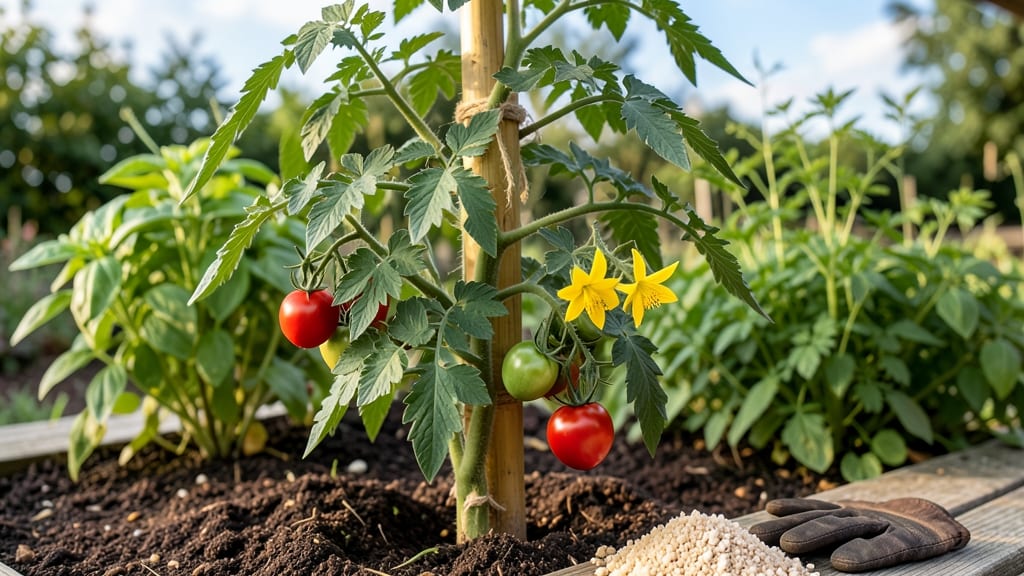
Garden tomatoes need calcium to thrive, and without it, you’ll see the dreaded blossom end rot ruining your harvest.
Picture this: you’ve nurtured your 🍅 tomato plants all season, only to find dark, sunken spots on the bottom of your fruit. That’s calcium deficiency in action, and it’s more common than you’d think—especially in Zone 6a gardens where soil pH or uneven watering can block uptake.
The good news? Fixing it is easier than you’d expect, and it starts with understanding how calcium works in your plants.
Calcium isn’t just about preventing rot—it strengthens cell walls, improves fruit quality, and even helps tomatoes resist disease. But most gardeners overlook it because they focus only on nitrogen or phosphorus.
The truth? A simple soil amendment or foliar spray could be all you need to turn around a struggling plant.
In this guide, I’ll walk you through the signs of calcium deficiency, the best organic sources to add to your soil, and step-by-step prevention tips so you can enjoy a bountiful, rot-free harvest from July through September.
Why calcium deficiency causes blossom end rot in tomatoes
Tomatoes are one of the most rewarding plants to grow, but calcium deficiency can quickly turn your hard work into disappointment. This hidden nutrient issue causes blossom end rot, a condition where the blossom end of your tomatoes turns brown, mushy, and eventually rots.
The problem isn’t just cosmetic—it leads to wasted fruit and stunted plant growth. Understanding calcium’s role in tomato health is the first step to preventing this common issue.
Calcium acts as a structural cell wall builder in tomato plants, helping cells maintain their shape and strength. When your tomatoes lack enough calcium, their fruit development suffers first, leading to those telltale signs of blossom end rot.
But calcium’s role doesn’t stop there—it also supports root growth, flower formation, and even disease resistance. Without it, your plants become vulnerable to stress, even under ideal growing conditions.
Here’s the catch: calcium deficiency isn’t always about a lack of calcium in the soil. Even if your soil tests show adequate calcium, poor uptake can still cause problems. Factors like soil pH imbalance, inconsistent watering, and temperature fluctuations can block calcium from reaching your tomato’s fruit.
For example, drought stress followed by sudden heavy watering creates a calcium uptake blockage, leading to blossom end rot.
Soil pH plays a critical role in calcium availability. Tomatoes thrive in slightly acidic to neutral soil with a pH between 6.0 and 6.8. If your soil is too acidic (pH below 6.0) or alkaline (pH above 7.0), your plants can’t absorb calcium efficiently. Even if you add calcium-rich amendments, the plant may still struggle to use it. Testing your soil’s pH is a simple but essential step to diagnosing and fixing the issue.
Another common culprit is inconsistent watering. Tomatoes need consistent moisture to absorb calcium effectively. When soil dries out and then gets soaked again, the sudden influx of water dilutes the calcium concentration in the root zone.
This creates a calcium uptake blockage, causing the plant to prioritize water over nutrient absorption. Mulching helps maintain even moisture levels, reducing this risk.
Temperature fluctuations also disrupt calcium uptake. Extreme heat or cold can stress tomato plants, making it harder for them to absorb nutrients, including calcium.
If you’re growing tomatoes in hot climates or cooler regions, providing shade during peak heat and protecting plants from cold snaps can improve their ability to take up calcium. Even a temporary stress event, like a late frost, can trigger blossom end rot weeks later.
Symptoms of calcium deficiency go beyond just blossom end rot. You might also notice cracked fruit, stunted growth, or weak stems. Young leaves may appear cupped or distorted, and roots can become prone to rot. These signs often appear together, especially during periods of rapid growth or stress. If you spot any of these issues, it’s time to take action before the problem worsens.
Now, let’s break down how calcium functions in your tomato plants versus what happens when they’re deficient. This summary table will help you spot the difference and take corrective action.
| Calcium’s Role in Tomato Plants | Symptoms of Calcium Deficiency |
|---|---|
| Strengthens cell walls | Blossom end rot (brown, mushy spots) |
| Supports fruit development | Cracked fruit or deformed tomatoes |
| Enhances root growth | Weak stems or stunted growth |
| Boosts disease resistance | Cupped or distorted young leaves |
| Regulates water uptake | Root rot or poor nutrient absorption |
If you’ve identified calcium deficiency in your tomato plants, don’t panic—there are simple fixes to restore balance. The key is to improve calcium availability and uptake while addressing the root causes, like soil pH or watering habits.
In the next section, we’ll explore the best natural calcium sources to use, from organic options like eggshells to synthetic amendments like calcium nitrate. Each has its own benefits and application methods, so you can choose what works best for your garden.
Preventing blossom end rot starts with understanding your tomato plants’ needs. By maintaining consistent moisture, monitoring soil pH, and providing adequate calcium, you can enjoy a bountiful harvest of healthy, rot-free tomatoes.
The effort is worth it—imagine biting into a perfectly ripe tomato, free from the disappointment of blossom end rot! 🍅
Best natural calcium sources for tomato plants (organic vs. synthetic)
When your tomato plants show signs of blossom end rot, it’s often a cry for calcium. While synthetic options like calcium nitrate work fast, many gardeners prefer natural sources for their long-term soil benefits.
Let’s compare the best organic and synthetic calcium sources to help you choose what’s right for your garden.
Organic sources like eggshells, crushed oyster shell, and garden lime build soil health over time, while synthetic options provide immediate results. Each has unique pros and cons, so let’s break it down for easy decision-making.
Calcium Source Comparison for Tomatoes
Eggshells
- ✅ Free and easy to source
- ✅ Improves soil structure over time
- ✅ Safe for compost and soil
- ❌ Slow-release (weeks to months)
- ❌ Requires cleaning/sterilization (boil or bake)
- ❌ Limited calcium content per volume
Crushed Oyster Shell
- ✅ High calcium content (35-40%)
- ✅ Slow-release (6+ months)
- ✅ Improves soil pH over time
- ❌ Expensive compared to eggshells
- ❌ Heavy to transport
- ❌ Limited availability in some areas
Garden Lime
- ✅ Balances pH while adding calcium
- ✅ Long-lasting effects (1-2 years)
- ✅ Affordable and widely available
- ❌ Overuse raises pH too high
- ❌ Slow-acting for immediate fixes
- ❌ Not ideal for acidic soil lovers
Calcium Nitrate (Synthetic)
- ✅ Fast-acting (results in days)
- ✅ High calcium content (15-20%)
- ✅ Dual-purpose (provides nitrogen)
- ❌ Expensive per application
- ❌ No soil benefits long-term
- ❌ Risk of over-fertilization if misused
For immediate results, synthetic calcium nitrate is the fastest option, especially when you spot blossom end rot developing. Mix 1 tablespoon per gallon of water and apply as a foliar spray or soil drench.
However, if you’re committed to organic gardening, crushed oyster shell or eggshells are excellent long-term solutions.
To use eggshells, simply crush cleaned shells into a fine powder and sprinkle around tomato plant bases or mix into compost. For oyster shell, apply 1-2 pounds per 100 square feet of garden bed in early spring.
Both methods require patience but reward you with healthier soil and stronger plants over time.
If your soil is acidic, garden lime is a dual-purpose amendment that raises pH while supplying calcium. Apply 5-10 pounds per 100 square feet in fall or early spring, then retest soil pH in 6 months.
For container-grown tomatoes, mix a teaspoon of crushed eggshells into the potting mix at planting time.
Remember, consistent watering is key—calcium uptake is best when soil moisture is steady. Avoid overwatering or drought stress, as both can block calcium absorption. By choosing the right calcium source and applying it correctly, you’ll give your tomato plants the nutrients they need to thrive.