
Fertilization
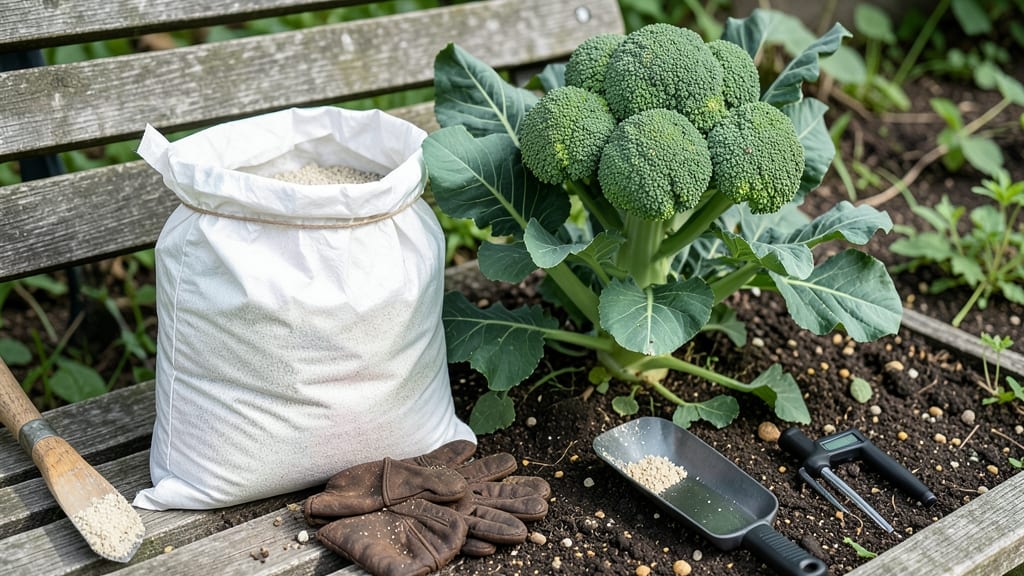
Calcium for gardens is essential for building strong plant cell walls, preventing common issues like blossom-end rot in tomatoes, and stabilizing soil pH for better nutrient absorption. Organic options like crushed eggshells, lime, or bone meal should be applied in early spring or fall to avoid disrupting soil balance.
Calcium acts like a structural backbone for plants, helping them resist diseases and environmental stress. 🌱 When your soil lacks this mineral, you'll often see symptoms like yellowing leaves or cracked fruit—classic signs of deficiency.
I've found that adding calcium-rich amendments not only strengthens plants but also improves soil drainage and microbial activity over time. The key is testing your soil first to determine exactly what it needs, since too much calcium can actually lock out other essential nutrients like magnesium.
For gardeners who prefer natural solutions, crushed eggshells are a fantastic DIY option—just bake and grind them into a fine powder. 💛 Apply them lightly around the base of plants in early spring, and you'll see noticeable improvements in plant vigor by midsummer.
Always remember: calcium works best when balanced with other nutrients, so pair it with compost or a complete organic fertilizer for optimal results.
💡 In This Article
- How Calcium Boosts Plant Health and Soil Quality
- Best Organic Calcium Sources and Application Tips
How calcium boosts plant health and soil quality
Calcium plays a crucial role in plant cell walls by cross-linking pectin molecules, creating a rigid structure that supports growth and prevents collapse. This structural reinforcement is why calcium-deficient plants often show symptoms like weak stems or misshapen leaves.
For instance, tomatoes lacking calcium develop blossom-end rot—a classic sign where the fruit's bottom rots due to poor cell wall integrity. The ideal calcium-to-magnesium ratio in plant tissues is around 2:1, but many soils have imbalances that lead to deficiencies.
Beyond structural support, calcium acts as a messenger in plant cells, regulating processes like enzyme activation and hormone signaling. When soil pH drops below 6.0, calcium becomes less available to plants, even if it's present in the soil.
This is why lime (calcium carbonate) is often used to raise pH and unlock calcium's benefits. Microbial activity in the soil also thrives with proper calcium levels—beneficial bacteria and fungi rely on calcium-rich environments to break down organic matter efficiently.
You'll notice healthy plants with calcium-rich soils have thicker leaves and stronger roots. For example, peppers grown in calcium-amended soil develop firmer fruit walls, resisting cracking during heavy rains.
The visual difference between deficient and healthy plants is striking: deficient plants show browned leaf edges or stunted growth, while well-supplied plants grow upright with vibrant green foliage. This mineral also helps plants absorb other nutrients more efficiently, creating a domino effect of improved health.
Calcium's impact on soil structure is equally important. It helps bind soil particles together, improving drainage and aeration. Sandy soils benefit from calcium by reducing erosion, while clay soils become less compacted.
The ideal soil calcium level ranges between 0.5% and 1.5% of the soil's dry weight, but most garden soils fall below this range. Testing your soil with a simple home kit (costing around $15) can reveal if you need to add calcium.
One fascinating aspect is how calcium interacts with other nutrients. While it enhances nutrient uptake, excessive calcium can block magnesium and potassium absorption. This is why balanced applications are critical—think of calcium as a supporting actor that must share the spotlight with other nutrients.
For example, applying 1 pound of gypsum (calcium sulfate) per 100 square feet in early spring can boost calcium without disrupting the nutrient balance.
What most gardeners don't realize is that calcium's benefits extend to the soil's long-term health. Over time, calcium-rich amendments improve soil tilth (texture and structure), making it easier for roots to penetrate and access water and nutrients.
This creates a virtuous cycle where healthier soil supports stronger plants, which in turn produce more biomass to feed the soil ecosystem. 🌱 The key is patience—calcium's effects build gradually over seasons rather than providing instant results.