
Fertilization
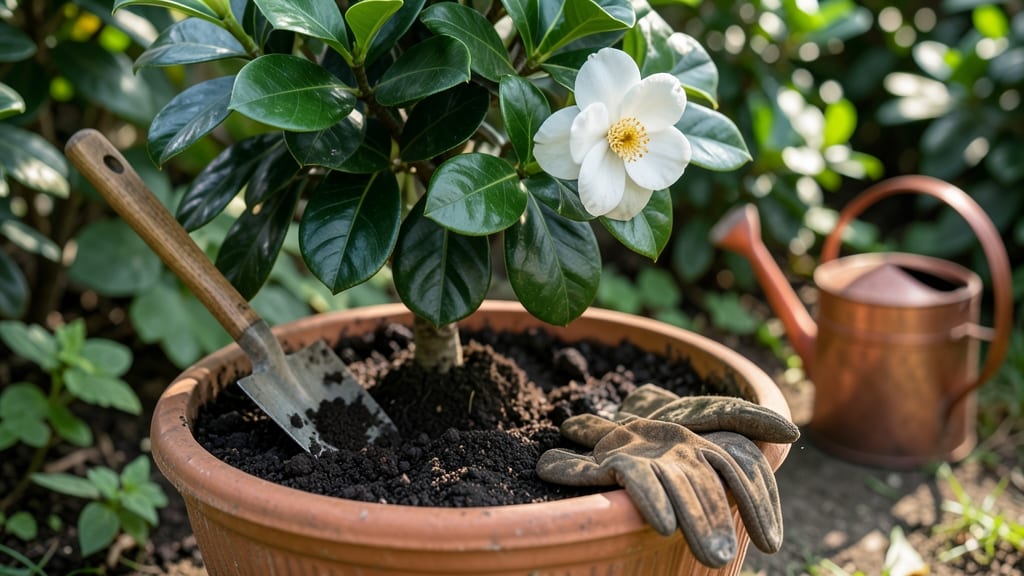
Coffee grounds for gardenias can enhance soil acidity and nutrient content, but they must be used carefully—mix 1-2 tablespoons into soil monthly or compost first to avoid over-acidification or mold growth. Keep them away from plant roots and stems.
Gardenias thrive in slightly acidic soil (pH 4.5-6.0), and coffee grounds provide that acidity naturally through their organic matter. 🌱 The nitrogen in grounds also feeds beneficial soil microbes, creating a nutrient-rich environment for roots.
However, too much can disrupt the balance—always compost grounds first or use them sparingly, as fresh grounds can compact soil and attract pests. I’ve seen gardenias flourish when I combine coffee grounds with pine needles or peat moss for extra acidity without overwhelming the plant.
For best results, sprinkle a thin layer around the base (not touching the plant) and water lightly to help the grounds break down. Monitor your gardenias for signs of stress like yellowing leaves—this usually means you’ve overdone it.
If that happens, flush the soil with water to dilute any excess acidity.
💡 In This Article
- How Coffee Grounds Benefit Gardenia Soil Chemistry
- Step-by-Step Guide: Applying Coffee Grounds Safely to Gardenias
How coffee grounds benefit gardenia soil chemistry
Coffee grounds lower soil pH by releasing organic acids like tannic and chlorogenic acids during decomposition. When mixed into gardenia soil (ideal pH 4.5-6.0), these acids gradually acidify the environment, mimicking the natural forest floor conditions gardenias prefer.
Unlike synthetic fertilizers that provide quick but short-lived pH shifts, coffee grounds create a slow-release effect over 4-6 weeks as microbes break them down into humus.
The nitrogen content in coffee grounds (about 1.5-2.5% by weight) feeds soil microbes that decompose organic matter, releasing additional nutrients like phosphorus and potassium. This microbial activity also improves soil structure by creating air pockets, which is crucial for gardenias that need well-draining, aerated soil.
However, fresh grounds can compact when wet, reducing oxygen flow to roots—a problem I've seen in containers where grounds were piled directly on soil.
Gardenias absorb nutrients most efficiently when soil pH stays within their preferred range.
Coffee grounds help maintain this balance by providing a steady supply of organic acids, but the effect varies based on your soil's starting pH. For example, sandy soil (common in gardenia cultivation) benefits more from coffee grounds than clay soil, as the particles break down faster in looser textures.
Always test your soil's pH before applying grounds to avoid overshooting the 4.5-6.0 target.
One critical mechanism is the "buffering effect" of organic matter. Coffee grounds don't just lower pH—they create a reserve of acidity that resists rapid changes.
This is why gardenias show fewer signs of stress (like yellowing leaves) when coffee grounds are used as part of a balanced fertilization routine rather than as a one-time treatment. The slow release also prevents nutrient spikes that can burn roots.
For visual comparison, imagine coffee grounds as a slow-dripping faucet versus a firehose of synthetic fertilizer. The faucet maintains steady moisture without flooding, while the firehose can overwhelm the soil. This steady acidification is why gardenias often respond better to organic amendments like coffee grounds than to quick-acting chemical fertilizers.
The key is patience—visible improvements in bloom quality typically appear after 3-4 months of consistent application.
What most gardeners miss is that coffee grounds also introduce beneficial microbes that compete with harmful pathogens. These microbes help suppress fungal diseases like powdery mildew, which gardenias are prone to in humid climates.
The microbial boost explains why gardenias treated with coffee grounds often show healthier foliage even when grown in less-than-ideal conditions. 🌿