
Watering
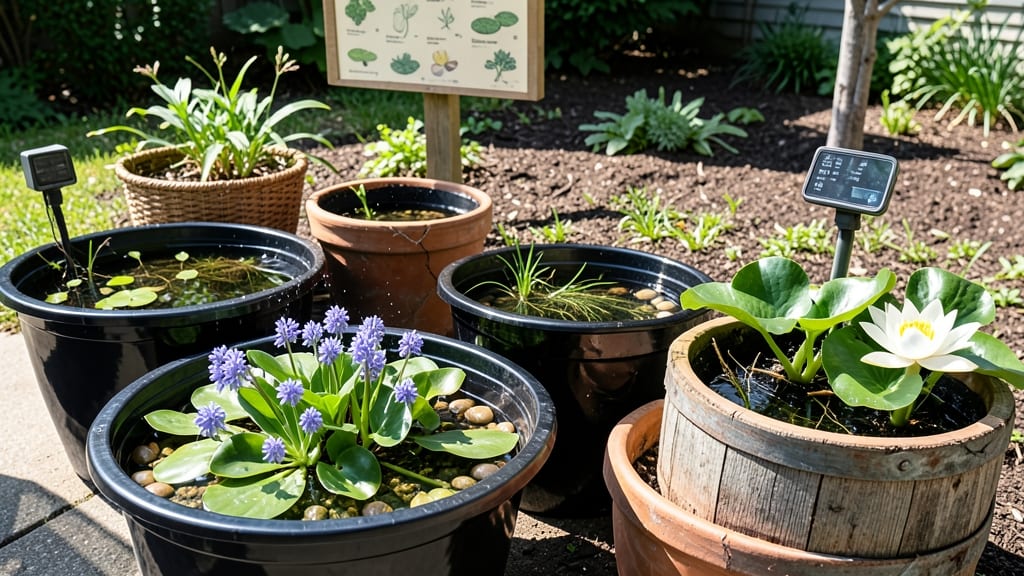
A thriving container water garden with floating plants is easier to create than you think—no pond, no soil, just a simple setup that brings life to any space.
Picture this: a small tub on your balcony or patio, filled with water and dotted with vibrant plants that float effortlessly on the surface. It’s not just a garden; it’s a mini ecosystem that purifies the air, attracts beneficial insects, and adds a serene touch to your outdoor space.
Whether you’re a beginner or a seasoned gardener, this approach makes aquatic gardening accessible and low-maintenance.
You don’t need a backyard or deep pockets to get started. With the right plants—like water hyacinths, duckweed, or water lettuce—you can transform a container into a lush, self-sustaining water feature. These plants thrive without soil, require minimal care, and even help keep the water clean by absorbing excess nutrients.
Plus, they’re perfect for small spaces, making them ideal for urban dwellers or anyone with limited room.
In this guide, you’ll discover the best floating plants for containers, how to set up your water garden in just five simple steps, and tips to keep it healthy year-round. No green thumb required—just a little water, a few plants, and a willingness to watch nature do its magic.
Top 10 floating container water garden plants for beginners
Creating a floating container water garden is one of the easiest ways to bring aquatic beauty into small spaces. These low-maintenance plants thrive without soil, needing only water, sunlight, and minimal care.
Whether you're working with a 5-gallon bucket or a decorative ceramic planter, these 10 beginner-friendly plants will transform your space into a serene underwater haven.
Floating plants offer double benefits: they add visual appeal while oxygenating the water and suppressing algae. Most grow quickly, making them perfect for fast results without requiring advanced gardening skills. Let’s dive into the top picks that will flourish in your container setup.
-
1. Water Hyacinth (Eichhornia crassipes)
Fast-growing with stunning lavender blooms; thrives in warm climates. Can double in size monthly! -
2. Duckweed (Lemna minor)
Tiny green algae suppressor that spreads rapidly. Ideal for shady containers. -
3. Water Lettuce (Pistia stratiotes)
Resembles lettuce with air pockets for buoyancy. Loves full sun and warm water. -
4. Amazon Frogbit (Limnobium laevigatum)
Compact with yellow flowers. Tolerates cooler water better than most tropical floats. -
5. Water Spiderwort (Tradescantia fluminensis)
Trailing purple stems with star-shaped blooms. Perfect for hanging containers. -
6. Salvinia (Salvinia natans)
Fern-like floating fern that thrives in low-nutrient water. Great for small containers. -
7. Water Cabbage (Pistia stratiotes var.)
Thicker leaves than water lettuce. Drought-tolerant once established. -
8. Azolla (Azolla caroliniana)
Tiny nitrogen-fixing fern. Ideal for fish tanks or small ponds. -
9. Water Shield (Brasenia schreberi)
Round green leaves with red undersides. Thrives in part shade. -
10. Water Primrose (Jussiaea repens)
Yellow water lilies that float. Cold-hardy to USDA Zone 7.
When selecting plants, prioritize those that match your climate zone and container size. For example, water hyacinth and water lettuce grow aggressively and need larger containers, while duckweed and azolla are perfect for small setups. Always start with 1-2 plants per gallon of water to avoid overcrowding.
Most floating plants prefer 6-8 hours of sunlight daily, but a few, like water spiderwort, tolerate partial shade. Use dechlorinated water to prevent harming sensitive roots, and avoid tap water with high chlorine levels. A simple water conditioner or letting tap water sit for 24 hours works wonders.
Fertilization is minimal—these plants thrive on organic debris and natural nutrients in the water. However, adding a liquid aquatic fertilizer every 4-6 weeks during growing season (spring to fall) promotes healthier growth and vibrant blooms. Avoid over-fertilizing, as excess nutrients can cause algae blooms.
Pruning is key to keeping your container water garden looking its best. Trim yellow or dead leaves regularly to encourage new growth.
For aggressive spreaders like water hyacinth, remove excess plants and replant in a new container or donate to local ponds (check local regulations first—some areas consider them invasive species).
Pests are rare, but watch for aphids or snails on floating leaves. A gentle spray of neem oil or introducing beneficial insects like ladybugs keeps them in check. If algae starts to form, increase plant density or add a small fountain to improve water circulation.
With these 10 easy-care plants, your container water garden will become a stunning focal point. Start small, experiment with combinations, and enjoy the calming beauty of water plants—no pond required! 🌿
How to set up a low-maintenance container water garden in 5 steps
Creating a container water garden is easier than you think, and it doesn’t require a backyard or expensive materials. With just a few key elements—like the right container size and floating plants—you can enjoy a serene, low-maintenance aquatic haven.
The best part? These gardens thrive in small spaces, making them perfect for balconies or patios.
Before diving in, remember that water quality and plant selection are critical. Too much sun can lead to algae growth, while the wrong plants may struggle in confined spaces. Let’s break this down into simple, actionable steps to ensure your container garden stays balanced and beautiful all season.
🌿 Step-by-Step Guide to Your Container Water Garden
- Step 1: Choose a container with 10+ gallons (deeper is better for rooted plants). Use food-grade plastic, fiberglass, or a pre-formed pond liner. Ensure it has a secure lid to prevent mosquitoes.
- Step 2: Select low-maintenance plants like water hyacinth or duckweed for floating options. For rooted plants, try mini lotus or water lettuce. Avoid invasive species like water hyacinth in restricted areas.
- Step 3: Fill the container with dechlorinated water (let tap water sit for 24 hours or use a water conditioner). Add aquatic plant fertilizer sparingly to avoid nutrient overload.
- Step 4: Place plants in the water, ensuring floating plants cover 50-70% of the surface to block sunlight and prevent algae blooms. Rooted plants should have their rhizomes submerged but leaves floating.
- Step 5: Position your garden in partial shade (4-6 hours of sun) to reduce algae growth. Add a small solar fountain or air pump to keep water circulating and oxygenated.
Once your container water garden is set up, maintenance is minimal. Remove excess algae weekly with a net, and trim plants every 4-6 weeks to keep them from overcrowding.
If you notice cloudy water, it’s often a sign of excess nutrients—simply reduce fertilizer or add more floating plants to shade the water.
For pest control, introduce beneficial insects like dragonfly larvae or use barrier nets over the container. Avoid chemical treatments, as they can harm your plants and the ecosystem. With these steps, your container water garden will stay vibrant and low-maintenance for years.
Pro tip: Start small with a 5-gallon container to test your setup before scaling up. This helps you refine your approach to water balance and plant ratios without risking a larger investment.