
Light Requirements
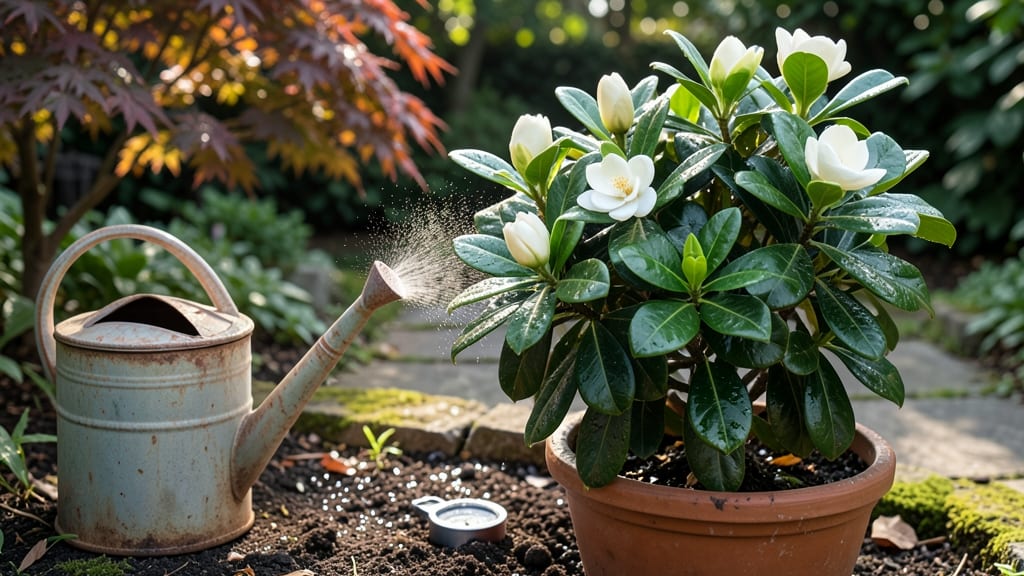
Do gardenias need a lot of water? The answer is more nuanced than you might think—these tropical beauties thrive with consistent moisture, but their watering needs are often misunderstood, especially when it comes to how much is too much.
Picture this: your 🌸 gardenia is lush and fragrant, its glossy leaves catching the light. Then, after a single overzealous watering, the petals droop, the stems soften, and within days, you’re staring at a plant that looks like it’s drowning.
That’s the fine line gardenias walk—needing enough water to bloom but never soaking that their roots suffocate.
Most gardeners assume these tropical beauties demand daily watering, but the truth is far more nuanced. In Zone 6 and warmer climates, gardenias actually prefer their soil to stay evenly moist—not soggy, not bone-dry.
The key lies in understanding when to water, how much to give, and how to spot the subtle signs of thirst or distress before they become irreversible.
In this guide, I’ll break down the exact watering schedule for your gardenia’s season, the best times to hydrate (hint: it’s not what you think), and how to fix common mistakes—like yellowing leaves or wilted blooms—that stem from watering woes.
By the end, your gardenia will be blooming like clockwork, and you’ll never second-guess your watering routine again.
How much water gardenias actually need (and when to adjust)
Gardenias thrive on consistent moisture, but that doesn’t mean they need constant soaking. The key is maintaining evenly damp soil—never soggy or bone-dry. Unlike drought-tolerant plants, gardenias wilt quickly when thirsty but also suffer from root rot if overwatered.
Think of their roots like a sponge: they need hydration to stay plump, but they’ll drown if submerged too long.
Most gardeners assume more water = more blooms, but the opposite is true. Overwatering triggers yellow leaves and dropped buds, while underwatering causes crispy edges and stunted growth. The sweet spot? 1-2 gallons per plant every 3-5 days, adjusted for heat, humidity, and soil type.
Mulching with 3-4 inches of organic matter locks in moisture and mimics their native tropical habitat.
⚠️ Myth Alert: Gardenias don’t need "a lot of water"—they need smart watering. The "consistent moisture" rule is often misinterpreted as daily drenching. In reality, their roots should dry slightly between waterings (about 1 inch deep), especially in containers, where soil dries faster. Test with your finger: if the top 2 inches feel dry, it’s time to water.
| Season | Watering Frequency | Amount per Session | Key Adjustments |
|---|---|---|---|
| Spring | 2x per week | 1-1.5 gallons | Increase if temps rise above 75°F |
| Summer | Daily (early AM) or every 2-3 days | 1.5-2 gallons | Check soil daily in containers |
| Fall | Weekly | 1 gallon | Reduce as temps drop below 60°F |
| Winter | Bi-weekly | 0.5-1 gallon | Avoid wet foliage to prevent fungal issues |
Seasonal shifts demand flexible watering. During spring blooming season, gardenias need more frequent watering (every 3-4 days) to support bud development. In summer’s peak heat, switch to daily morning watering—but always water deeply to encourage root growth down, not just surface moisture.
A 5-gallon bucket with holes drilled in the bottom makes deep watering effortless.
Winter slows everything down. Gardenias enter a dormant-like state, so cut back to bi-weekly watering and half the volume. The goal is to keep roots barely moist, not soggy. Overwatering in winter stresses the plant and invites root rot, while underwatering can dry out branches.
If your gardenia is outdoor in pots, move it to a sheltered spot and group containers together to retain humidity.
Soil type plays a huge role. Gardenias hate soggy soil, so amend clay or heavy soil with peat moss or perlite to improve drainage. In sandy soil, water more often but shallowly—sand drains too fast.
Pro tip: Top-dress with mulch (like pine bark) to slow evaporation and keep roots cool. This mimics their shady, humid tropical forests and cuts watering needs by 30-40%.
Containers dry out 2-3x faster than ground soil, so potted gardenias need daily checks in summer. Use your finger to test moisture at 2 inches deep—if it’s dry, water until it drains from the bottom.
A self-watering pot or drip irrigation system solves the guesswork. For outdoor plants, water at the base of the plant (not leaves) to prevent fungal diseases like powdery mildew, which thrives in wet foliage.
Watch for early warning signs of watering gone wrong. Yellowing leaves often signal overwatering, while crispy, brown edges mean underwatering. Dropped buds? Usually stress from inconsistent moisture. The fix? Adjust your schedule and check soil moisture before watering. A moisture meter (under $10) takes the guesswork out—
5 Signs your gardenia is overwatered or underwatered (and how to fix it)
Gardenias thrive on consistent moisture, but striking the right balance is tricky. Too much water leads to root rot and fungal diseases, while too little causes wilting leaves and sparse blooms.
As someone who’s nursed my gardenias back from both extremes, I’ve learned to watch for subtle clues that reveal their watering needs.
Start by checking the soil moisture—stick your finger 1-2 inches deep. If it feels damp, hold off on watering. If it’s bone-dry, your gardenia is thirsty. But the real telltale signs often appear in the leaves and stems, not just the soil.
Yellowing leaves are a classic overwatering sign. If the lower leaves turn yellow first and feel mushy, your gardenia’s roots are suffocating. Brown leaf edges paired with crispy texture? That’s usually underwatering, but it can also signal low humidity—gardenias love 60-70% humidity.
Wilted stems that don’t bounce back after watering are another red flag. Gently press a stem—if it stays flat, the plant is severely underwatered. For recovery, soak the roots deeply and trim any blackened stems with clean pruners.
If the wilt persists, check for root rot by gently lifting the plant.
Fungal growth like white powdery spots or black mold on leaves? That’s your gardenia’s SOS for excess moisture. Improve airflow by pruning dense foliage and watering only at the base. For infected leaves, remove them immediately to prevent spread.
Finally, watch the blooms. Fewer flowers or buds that drop before opening often mean stress from inconsistent watering. To encourage blooms, maintain even moisture and feed with acidic fertilizer in spring and summer. Mulch with pine bark to retain moisture and mimic their native tropical habitat.