
Pests
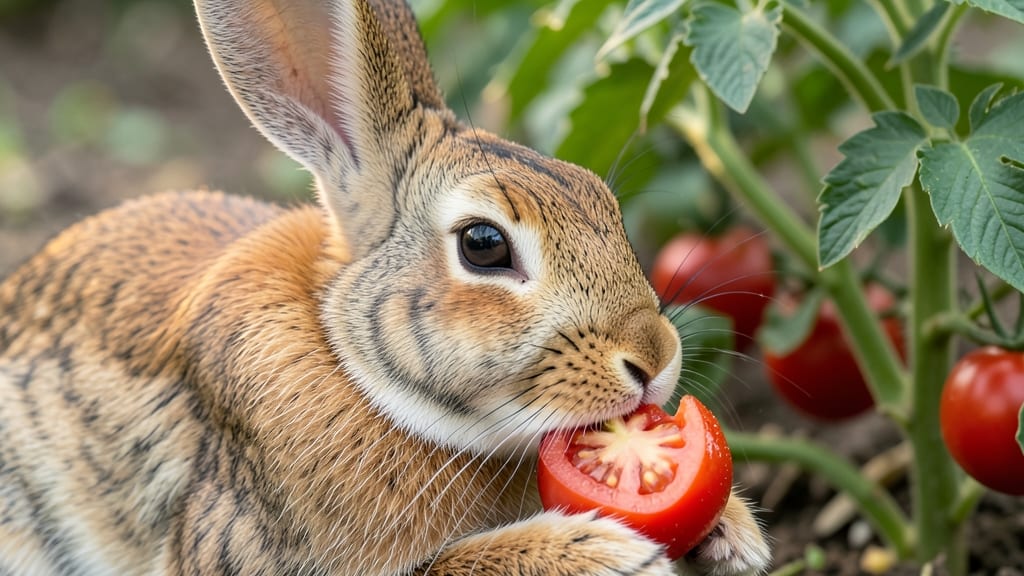
Rabbits can eat tomatoes in the garden, but only the ripe red fruit in moderation—never the leaves, stems, or green parts, which contain toxic solanine. The acidic fruit may still cause digestive upset, so it's best to offer safer garden alternatives like lettuce, cilantro, or parsley instead.
Tomatoes present a tricky dilemma for gardeners with rabbits. 🌱 The ripe red fruit contains lycopene, which is generally safe in small amounts, but the green parts pack solanine—a natural chemical that can cause vomiting, lethargy, or even neurological issues in rabbits.
Even if your bunnies nibble the fruit, the acidity might lead to stomachaches. I’ve found that planting rabbit-resistant alternatives like dandelion greens or basil nearby can save your tomato plants while keeping your garden safe and thriving.
For extra protection, consider fencing or companion planting with strong-smelling herbs like mint or rosemary. These strategies create a natural barrier that rabbits tend to avoid, letting your tomatoes grow undisturbed while giving your bunnies plenty of safer snack options.
💡 In This Article
- Toxic vs Safe Parts of Tomatoes for Rabbits
- Rabbit-Friendly Garden Alternatives to Tomatoes
Toxic vs safe parts of tomatoes for rabbits
The confusion around tomatoes stems from their chemical composition. The green parts (leaves, stems, unripe fruit) contain solanine, a glycoalkaloid toxin that rabbits cannot metabolize safely.
Solanine levels can reach 0.05-0.1% of dry weight in green tomatoes, enough to cause gastrointestinal distress or neurological symptoms if ingested in large quantities. 🌱 This compound acts as a natural defense mechanism in the tomato plant, particularly concentrated where chlorophyll is abundant.
In contrast, the ripe red fruit contains lycopene (up to 80-100 mg per 100g) and lower solanine levels, making it non-toxic in small amounts. However, the fruit's acidic pH (around 4.2-4.9) can irritate a rabbit's delicate digestive system, potentially leading to diarrhea or stomach cramps.
What's fascinating is how solanine levels fluctuate—green tomatoes have 3-5x more solanine than ripe ones, which explains why even small nibbles of unripe fruit pose greater risks.
Visual identification is key when assessing tomato safety. Look for fully red, firm fruit with no green shoulders—these are safest for rabbits.
The skin should be intact, as broken or bruised tomatoes may harbor higher concentrations of solanine due to stress-induced chemical changes in the plant. 🍅 Remember that a rabbit's digestive system is 10x more sensitive to toxins than humans', so what might be a minor upset for us could be dangerous for them.
Portion control is critical even with ripe tomatoes. A safe serving for an adult rabbit would be no more than 1-2 small slices (about 10-15g) per week, accompanied by plenty of fresh water.
The high water content (over 95%) in tomatoes can dilute digestive enzymes, which is why they should never replace a rabbit's primary diet of hay and leafy greens. Always introduce new foods gradually to monitor for any adverse reactions.
Here's what happens chemically when rabbits consume tomato parts:
- Green parts: Solanine binds to acetylcholine receptors in the nervous system, potentially causing muscle weakness or seizures in severe cases
- Ripe fruit: Lycopene acts as an antioxidant, but the acidity overwhelms the stomach's natural buffering capacity
- Stems/leaves: Contain additional toxins like chaconine, which works synergistically with solanine to increase toxicity
The golden rule is to err on the side of caution—when in doubt about a plant's safety, it's better to offer rabbit-approved alternatives like cilantro or parsley instead. 🐰 These herbs provide similar nutritional benefits without the digestive risks.