
Size
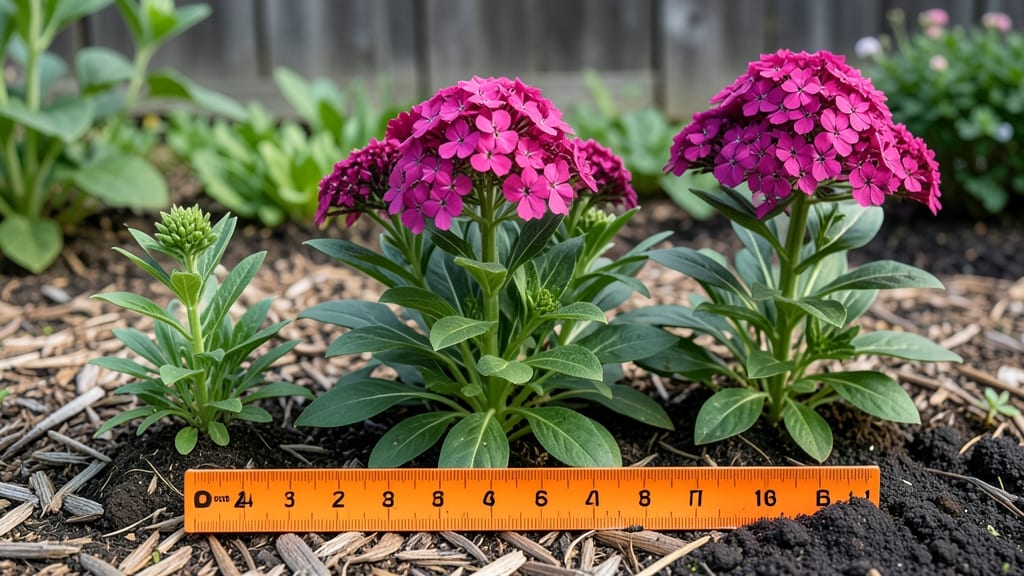
Tall garden phlox spreads gradually through underground rhizomes, expanding about 12–18 inches per year under ideal conditions. Pruning spent blooms and dividing clumps every 3–4 years helps control its growth and maintain vigor.
If you're planning your garden layout, understanding how tall garden phlox expands is key. 🌿 These plants grow through horizontal root systems called rhizomes, which gradually spread outward rather than upward.
The growth rate depends on soil quality, sunlight, and water availability—rich, well-drained soil can accelerate expansion, while poor conditions slow it down. What's interesting is that while some varieties stay compact, others like 'David' or 'Miss Wilford' can spread more aggressively, so choosing the right cultivar matters for your space.
This gradual spread is why many gardeners love phlox—they don't take over like aggressive ground covers, but they do need occasional maintenance. The 12–18 inch annual spread means you'll want to leave at least 2–3 feet between plants when installing them to avoid overcrowding.
Over time, the center of the clump may become woody and less productive, which is why division (splitting the root ball) every few years keeps them blooming beautifully.
💡 In This Article
- How Tall Garden Phlox Spreads: Rhizome Behavior and Growth Patterns
- Managing Tall Garden Phlox Spread: Pruning and Division Tips
How tall garden phlox spreads: rhizome behavior and growth patterns
The spreading habit of tall garden phlox begins with its rhizomes—thick, horizontal underground stems that store nutrients and produce new shoots. These rhizomes grow at a 12–18 inch annual rate under ideal conditions, which means each plant effectively expands its territory by about 1 foot per year.
The growth isn't uniform; new shoots emerge from nodes along the rhizome, creating a semi-circle pattern that gradually fills space. 🌱 This behavior differs from clumping perennials like daylilies, which send up vertical shoots without horizontal spread.
Seasonal growth cycles play a crucial role in how phlox spreads. Most varieties begin active rhizome expansion in early spring when soil temperatures reach 50–55°F, continuing through summer until frost.
The rhizomes themselves are 2–3 inches thick and can reach depths of 6–12 inches below soil level, anchoring the plant while pushing outward. Varieties like 'David' phlox tend to spread more aggressively because their rhizomes produce more lateral shoots, while others like 'Miss Wilford' remain more contained with shorter rhizomes.
What most gardeners don't realize is how soil conditions affect spread rate. Well-drained, fertile soil with 6.0–7.0 pH encourages faster rhizome growth, while compacted or waterlogged soil slows expansion. The rhizomes themselves are sensitive to moisture—too little causes them to become dormant, while excess water can lead to rot.
This is why phlox thrives in partially shaded garden beds with consistent moisture but good drainage, creating the perfect balance for steady, controlled spread.
Another fascinating aspect is how phlox's growth habit compares to other perennials. Unlike aggressive spreaders like mint or bamboo that can take over gardens, phlox spreads at a predictable, manageable pace.
Its rhizomes don't form dense mats like creeping charlie; instead, they create loose, airy clumps that allow other plants to coexist nearby. This makes phlox an excellent choice for cottage gardens where you want both structure and gradual expansion without overwhelming other species.
When planting phlox, the initial spacing becomes critical. To prevent overcrowding, plant individual clumps 2–3 feet apart in the first year. Over time, the rhizomes will naturally fill the space between them, creating a lush, continuous display.
The key is to monitor growth—if you notice the plants starting to merge after 2–3 years, it's time to consider division to maintain their vigor and prevent competition for resources.
One common misconception is that all phlox varieties spread at the same rate. In reality, there's significant variation. Tall garden phlox (Phlox paniculata) generally spreads more slowly than creeping phlox (Phlox subulata), which forms dense ground covers.
Even within tall phlox, some cultivars like 'Blue Paradise' spread more aggressively than others like 'White Delight,' which remains more compact. Choosing the right variety for your space is the first step in managing its spread effectively.