
Tools
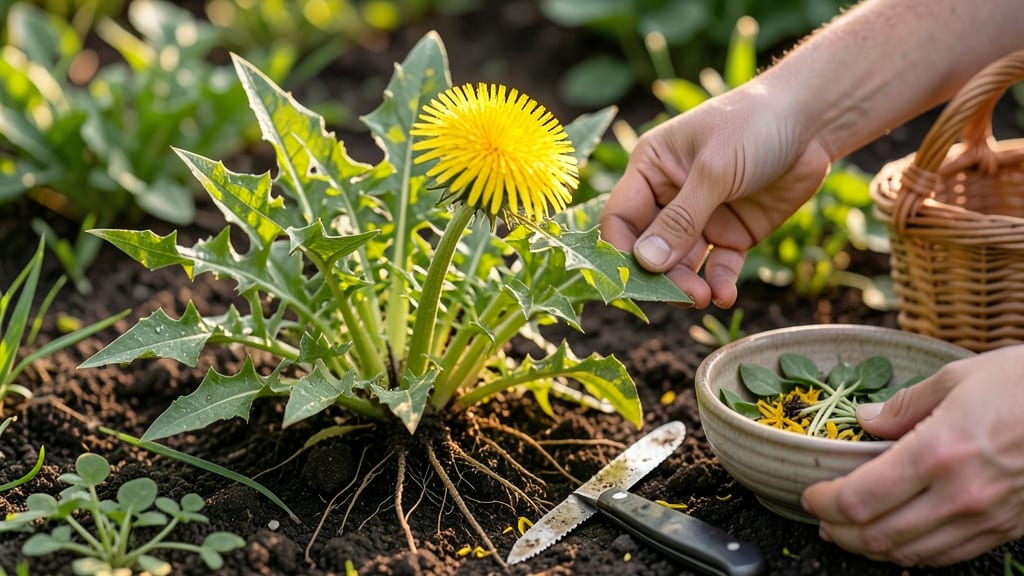
Eating weeds from the garden can be safe only when you properly identify each plant, since many contain dangerous compounds like oxalates or alkaloids that may cause nausea, vomiting, or worse. Focus on well-researched edible options like dandelion greens or purslane, and steer clear of toxic varieties such as poison ivy or foxglove.
Before you even think about harvesting, know that 90% of garden weeds are unsafe to eat—many look similar to edible plants but contain hidden toxins. 🌱 For example, wild carrot leaves (edible) can be mistaken for poison hemlock (deadly), which has purple spots on its stems.
I always recommend starting with a trusted field guide or app like PictureThis to cross-check before harvesting. Even then, avoid plants growing near roads or treated lawns, as they may absorb harmful chemicals.
When you do find safe options, the key is preparation: younger leaves are milder, and thorough washing removes dirt and pests. Dandelion greens, for instance, taste best when harvested before flowering and cooked briefly to reduce bitterness.
Always cook root vegetables like burdock or salsify, as raw versions can cause digestive upset. The rule of thumb: if you're unsure, don't eat it—your curiosity isn't worth the risk.
💡 In This Article
- Toxic vs Edible Weeds: Key Identification Features
- How to Harvest and Prepare Garden Weeds Safely
Toxic vs edible weeds: key identification features
The difference between edible and toxic weeds often comes down to their biochemical makeup.
For example, edible plants like lamb's quarters contain high levels of vitamin A and calcium, while their toxic look-alikes, such as poison hemlock, produce coniine, a neurotoxin that can be fatal in doses as small as 1 teaspoon of crushed leaves.
The science lies in their chemical structures: edible weeds typically have mild oxalates (like in spinach) that are safe in moderation, whereas toxic varieties contain concentrated alkaloids or glycosides that disrupt cellular functions.
Visual identification relies heavily on leaf arrangement, stem patterns, and flower structure.
Edible dandelion greens feature deeply lobed leaves with a rosette pattern, while toxic milkweed has smooth, oval leaves with a milky sap that exudes when cut. 🌿 Another key marker is the plant's growth habit: most edible weeds grow low to the ground (like purslane), while toxic species often stand tall with hairy stems (like stinging nettle, which causes skin irritation).
Always examine the entire plant—roots, flowers, and seeds can reveal critical clues, such as the bright yellow flowers of edible chickweed versus the white, umbrella-shaped blooms of deadly water hemlock.
Texture and aroma also play a role in preliminary screening. Edible weeds like sorrel have a tangy, lemony scent when crushed, while toxic plants often emit no odor or a foul, musty smell.
For instance, wild parsnip (edible when cooked) smells sweet and herbal, whereas poison parsnip (toxic) has a bitter, acrid aroma. The golden rule is to never taste-test raw plants—some toxins (like those in foxglove) can cause heart failure within hours, even in tiny amounts.
Regional variations add complexity. In temperate climates, plants like plantain thrive as edible weeds, but their tropical cousins (like the toxic calotropis) contain cardiac glycosides that can stop the heart. Always cross-reference local field guides, as what’s safe in your backyard might be deadly just 50 miles away.
For example, pokeweed is edible when properly prepared in the Southeast but contains high levels of mitogens that can cause severe reactions elsewhere.
Even edible weeds have their risks. High-oxalate plants like sorrel can cause kidney stones if consumed in excess, while others (like wild mustard) contain goitrogens that may interfere with thyroid function.
The key is moderation and proper preparation: boiling reduces oxalates by up to 50%, while fermenting can break down goitrogens. Always research the specific plant’s toxicity profile before adding it to your diet.
When in doubt, consult a botanist or use a plant identification app with a database of toxic species. Many edible weeds have look-alikes that differ by just one leaf shape or flower color—mistakes can be costly.
For instance, young garlic mustard (edible) resembles toxic hedge parsley (toxic) until you see the latter’s lacy white flowers. Take your time, and when possible, harvest from organic or pesticide-free gardens to minimize contamination risks.