
Tools
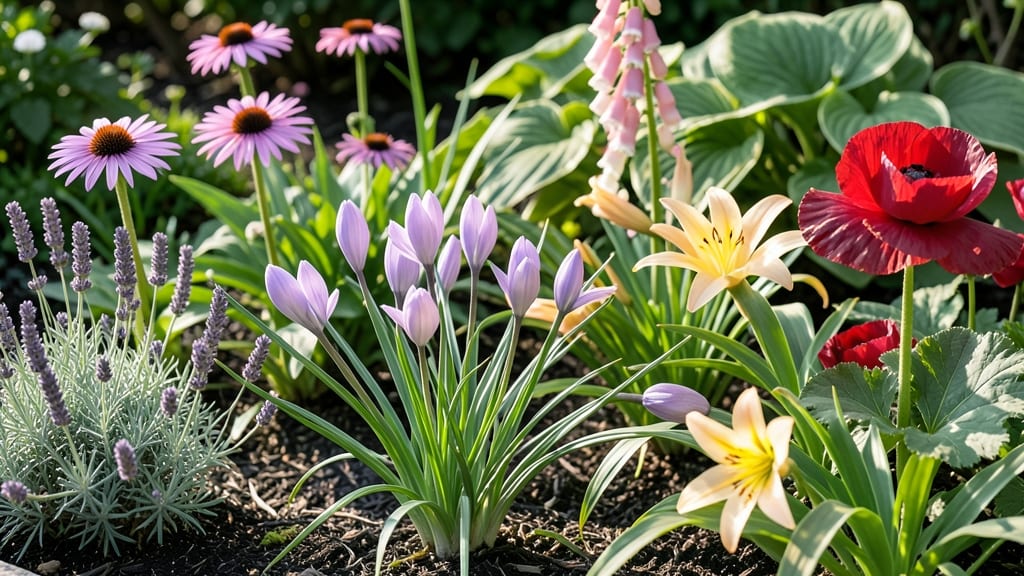
The enchanted garden colors you’ve always dreamed of are closer than you think—and they don’t require a magic wand, just the right plant pairings and a little seasonal strategy.
Picture this: a garden that shifts with the sun, where purple morning glows deepen to gold by afternoon, and silver foliage catches the moonlight like a fairy’s cloak.
That’s the power of the Enchanted Garden Colors Collection 🌸, a curated mix of blooms and textures designed to transform your space into a living storybook.
Most gardens stick to one season’s palette, but the real magic happens when you layer colors that evolve—think cool blues in spring giving way to warm crimsons by fall.
Below, I’ll show you how to blend these hues without overwhelming your space, plus the top 3 plants that steal the show in every season.
Ready to turn your yard into a year-round sanctuary? You’ll learn the exact color combos that work in your zone, how to avoid common mistakes (like clashing tones), and which low-maintenance plants deliver the most drama with the least effort.
Seasonal enchanted garden color palettes for every climate zone
Creating a garden that feels like stepping into a fairy tale starts with understanding how seasonal colors transform your outdoor space.
Each season offers a unique palette that can evoke different emotions—spring’s soft blues and greens feel refreshing, summer’s fiery purples and oranges spark joy, autumn’s deep reds and golds create warmth, and winter’s icy whites and silvers bring serenity.
The key is selecting plants that thrive in your USDA hardiness zone while harmonizing their colors for maximum enchantment.
I’ve designed these enchanted garden color palettes to work across zones 3 through 11, ensuring your garden remains magical year-round. Whether you live in a cold northern climate or a warm southern region, these combinations will bring harmony and whimsy to your landscape.
The psychology behind each palette also plays a role—cool tones calm, warm tones energize, and contrasting hues create visual drama.
Let’s explore how to curate your garden’s seasonal color journey with plants that not only complement each other but also thrive in your specific growing conditions. Start by identifying your zone, then layer plants that bloom at different times to maintain continuous color.
For spring gardens, focus on cool-toned blooms that symbolize renewal. In zones 3-7, Bleeding Heart and Lungwort thrive, while zones 8-11 can incorporate Iris and Tulips for bold pops of color.
The psychology here is all about tranquility—soft blues and lavenders reduce stress and invite pollinators like bees and butterflies. Place these plants near seating areas or pathways to maximize their calming effects.
When summer arrives, warm hues dominate the enchanted palette. In hotter zones (8-11), Sunflowers and Bee Balm create fiery contrasts, while cooler zones (3-6) can rely on Coneflowers and Black-Eyed Susans.
These plants not only add energy but also attract hummingbirds and bees, making your garden feel alive with activity. Use tall sunflowers as vertical accents to draw the eye upward and create a sense of grandeur.
Autumn’s deep reds and golds are nature’s way of signaling change, and your garden should reflect this transition. In zones 4-7, Japanese Maple and Sedum provide stunning foliage, while zones 8-11 can incorporate Chrysanthemums and Smoke Bush for prolonged color.
The mood here is one of warmth and nostalgia, so group these plants in clusters to create cozy, inviting spaces. Add mulch in warm tones to tie the palette together seamlessly.
Winter gardens might seem limited, but silver, white, and soft gray tones create a magical, ethereal atmosphere. In zones 3-6, Snowdrops and Winter Jasmine bloom early, while zones 7-11 can feature Ornamental Grasses and Silver Sage for texture.
These plants evoke a sense of serenity and mystery, perfect for a winter wonderland. Pair them with evergreen shrubs like Boxwood or Holly to maintain structure and year-round interest.
To make your enchanted garden truly magical, consider adding lighting elements like solar-powered path lights or string lights in warm tones. These not only highlight your plants at night but also enhance the fairy-tale feel.
Start small—perhaps with a single moon-garden corner featuring white and silver blooms—and expand as you discover what works best in your space.
Remember, the best enchanted gardens are those that evolve with you. Begin with a core palette that resonates emotionally, then layer in seasonal plants to keep the magic alive throughout the year. Your garden will become a living
How to layer enchanted garden colors for maximum visual impact
Creating a garden that feels like a magical escape starts with strategic color layering. Instead of random plant placement, think of your garden as a living painting—where each plant contributes to a harmonious composition.
The key lies in height variation, texture contrast, and color theory to make your space pop with seasonal enchantment. Even small spaces can transform when you use just 3-5 enchanted plants per season.
Begin with height layering to create depth. Place tall plants like Delphinium or Foxglove at the back, mid-height bloomers such as Lavender or Salvia in the middle, and trailing or ground-cover plants like Sweet Alyssum or Creeping Thyme up front.
This creates a dramatic waterfall effect that draws the eye through your garden.
Color Layering Techniques Comparison
| Technique | Example Plants | Visual Effect | Best For |
|---|---|---|---|
| Height Layering | Delphinium (tall), Lavender (mid), Sweet Alyssum (low) | 3D depth, guided eye movement | Small to medium gardens |
| Texture Contrast | Fuzzy Lamb's Ear (soft) + Spiky Yucca (sharp) | Tactile interest, visual contrast | Containers and borders |
| Color Theory | Purple Salvia + Yellow Coreopsis (complementary) | Vibrant pops, harmony | Seasonal color shifts |
| Seasonal Interest | Winter: Silver Dusty Miller + Red Heuchera | Year-round magic | Perennial gardens |
Don’t overlook texture contrast—it’s the secret weapon for adding dimension. Pair smooth foliage like Hostas or Hosta 'Blue Angel' with spiky plants such as Ornamental Grasses or Agave.
This creates a visual dance that feels alive and dynamic. Even in monochromatic gardens, textures like velvety Lamb's Ear or feathery Ferns add enchantment without extra color.
For color theory hacks, use complementary colors (opposites on the color wheel) like purple and yellow to make blooms pop, or analogous colors (next to each other) like blue, purple, and pink for a dreamy, cohesive look.
My favorite enchanted palette combines Lavender 'Munstead' (purple), Black Mondo Grass (dark foliage), and White Candytuft for a fairy-tale effect.
Seasonal interest is the final touch. Swap out spring’s pastels for summer’s fiery hues and autumn’s deep tones, then keep winter’s silver and white for a frosty glow.
For example, replace spring’s Tulips with summer’s Dahlias and autumn’s Chrysanthemums, then add Winter Jasmine for early blooms. This keeps your garden magically evolving all year.
Start small with just one enchanted corner—perhaps a terracotta pot with Lavender, Sweet Alyssum, and a trailing Ivy. Watch how it transforms your space into a miniature fairy garden.
The key is to layer intentionally**, and soon, your entire yard will feel like a living dream. 🌸