Fertilization
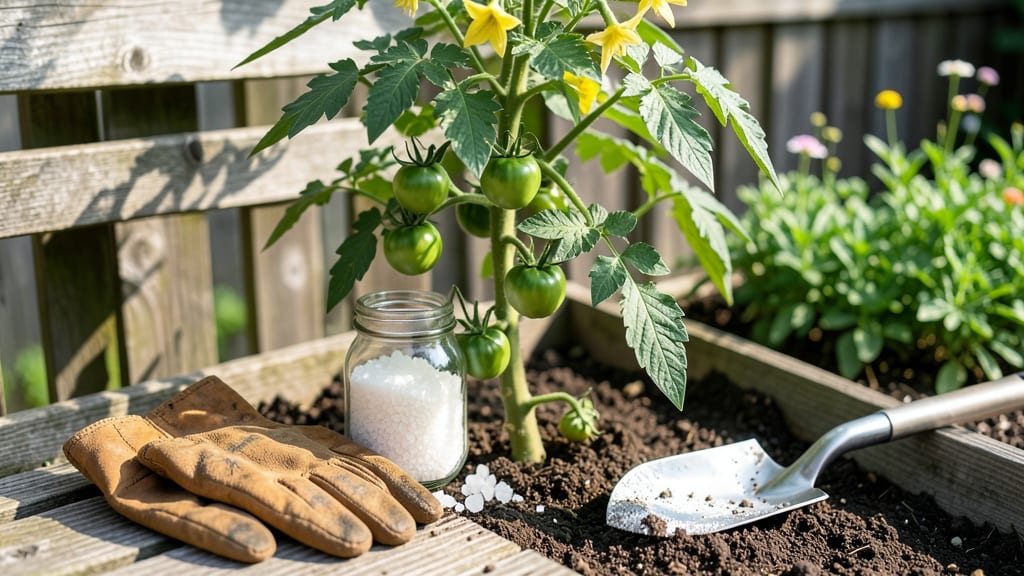
Using Epsom salt in your garden can turn struggling plants into thriving ones in just 24 hours—no fancy fertilizers required.
Picture this: your tomatoes are wilting, your peppers refuse to bloom, and those yellowing leaves just won’t quit. What if the fix is simpler—and cheaper—than you think? Epsom salt, packed with magnesium sulfate, is the secret weapon many gardeners swear by for a quick nutrient boost.
This isn’t just hype. Magnesium is a plant’s backbone—it helps them absorb other nutrients, strengthens cell walls, and even improves flower and fruit production. But here’s the catch: overuse can backfire, leaving your soil salt-burned and plants more stressed than before.
In this guide, I’ll walk you through the exact methods to apply Epsom salt safely, which plants benefit most, and how to spot the signs of deficiency—or overdoing it. No guesswork, just results.
How Epsom salt revives stressed plants in 24 hours
If your garden plants are showing signs of stress—like yellowing leaves, stunted growth, or poor flowering—you might be dealing with a magnesium deficiency. My go-to solution? Epsom salt, a simple yet powerful tool that delivers fast results.
This isn’t just garden folklore; it’s science. Epsom salt, or magnesium sulfate, helps plants absorb nutrients more efficiently, especially when they’re struggling. The best part? You’ll often see improvements within just 24 hours.
Plants rely on magnesium to produce chlorophyll, the compound that gives them their green color and helps them convert sunlight into energy. When magnesium levels drop, leaves turn yellow between the veins—a classic sign your plants are crying out for help.
Unlike synthetic fertilizers, Epsom salt works quickly because magnesium is highly soluble, meaning plants can absorb it almost immediately. This makes it perfect for emergency plant care when you need fast relief.
But why do plants respond so quickly to Epsom salt? The answer lies in its rapid nutrient uptake mechanism. When applied correctly, magnesium sulfate dissolves almost instantly in water, allowing roots and leaves to absorb it within hours.
This is especially useful for container plants or those in nutrient-poor soil, where deficiencies can develop faster. Even houseplants like ficus or snake plants can perk up noticeably after just one treatment.
Before you rush to grab a box of Epsom salt, it’s important to confirm your plants actually need magnesium. Look for these key deficiency signs: yellowing leaves (especially older ones), weak stems, poor flower production, or even brown spots on leaf edges.
These symptoms often appear when soil pH is too high or when other nutrients like nitrogen or potassium are out of balance. Epsom salt won’t fix all issues, but it’s a fantastic starting point for quick magnesium replenishment.
Here’s the science behind the magic: Magnesium acts as a catalyst in over 300 enzymatic reactions in plants, including photosynthesis and energy production. When plants are stressed, their ability to utilize these enzymes slows down.
Adding Epsom salt jumpstarts these processes, helping plants bounce back faster. For example, tomatoes and peppers often show dramatic improvements in fruit production within days of treatment, thanks to this magnesium boost.
| Plant Type | Signs of Magnesium Deficiency | Epsom Salt Solution | Expected Results |
|---|---|---|---|
| Vegetables (Tomatoes, Peppers, Potatoes) | Yellowing between leaf veins, weak stems, poor fruit set | 1 tbsp per gallon of water, foliar spray or soil drench | Stronger stems, greener leaves, more flowers/fruit in 3-5 days |
| Flowers (Roses, Petunias, Geraniums) | Yellowing leaves, sparse blooms, weak growth | 1 tbsp per foot of plant height, soil application | Vibrant blooms, fuller foliage, improved vigor in 24-48 hours |
| Houseplants (Ficus, Snake Plant, Pothos) | Yellowing leaves, brown spots, slow growth | 1 tsp per gallon of water, foliar spray every 2 weeks | Greener leaves, reduced browning, faster growth in 1 week |
| Fruit Trees (Citrus, Avocado, Apple) | Yellowing between veins, small fruit, weak branches | 2 tbsp per gallon, soil drench monthly | Larger fruit, stronger branches, improved leaf color in 7-10 days |
The speed at which Epsom salt works depends on how you apply it. For foliar sprays, magnesium is absorbed directly through the leaves, so you’ll often see results within 24 hours.
For soil applications, it may take a little longer—about 3-5 days—because the magnesium needs to be taken up by the roots. However, the key is consistency. A single application might give a temporary boost, but regular use (every 2-4 weeks) ensures your plants stay healthy long-term.
One common mistake gardeners make is overusing Epsom salt. While it’s generally safe, too much can lead to sodium buildup in the soil, which can harm beneficial microbes and even cause nutrient imbalances.
Stick to the recommended ratios—1 tablespoon per gallon of water for foliar sprays or 1 tablespoon per square foot for soil applications—and you’ll avoid any issues. Always water thoroughly after applying Epsom salt to help flush out any excess sodium.
If your plants are severely deficient, combine Epsom salt with other organic amendments like compost or worm castings. These provide a broader range of nutrients while improving soil structure. For example, adding a handful of compost to the soil before applying Epsom salt can enhance magnesium absorption even further.
This two-pronged approach ensures your plants get the full spectrum of nutrients they need to thrive.
Don’t let magnesium deficiencies hold your garden back. With Epsom salt, you’ve got a fast, affordable, and effective way to revive stressed plants and keep them looking their best. Start with a small test application on one plant, monitor the results, and
Best Epsom salt application methods for different plant types
Epsom salt—magnesium sulfate—is a gardener’s secret weapon for reviving plants with yellowing leaves, weak stems, or poor blooms. But how you apply it depends on your plant type. Vegetables like tomatoes and peppers need different treatment than delicate flowers or drought-stressed houseplants.
Let’s break down the best methods for each, including dilution ratios and frequency guidelines.
For vegetables, a soil drench works best during the growing season, while foliar sprays are ideal for flowers needing a magnesium boost. Houseplants often thrive with a diluted solution applied directly to the soil.
The key? Avoid overuse—too much Epsom salt can harm plants by disrupting soil chemistry. Always start with a small dose and monitor your plants’ response.
Step-by-Step Epsom Salt Application Guide
- Foliar Spray (Best for Flowers & Leafy Greens)
- Mix 1 tablespoon Epsom salt in 1 gallon of water (1:128 ratio).
- Spray evenly on leaves in early morning or late afternoon.
- Apply every 2-4 weeks during active growth.
- Soil Drench (Best for Vegetables & Fruiting Plants)
- Dissolve 1 tablespoon per foot of plant height in 1 gallon of water.
- Pour directly into soil at the base of the plant.
- Use monthly during flowering/fruiting (spring to fall).
- Root Zone Treatment (Best for Houseplants & Potted Plants)
- Mix ½ teaspoon per quart of water (half the strength of other methods).
- Water plants thoroughly with the solution until it drains from the pot.
- Apply every 4-6 weeks or when yellowing appears.
- Avoid Overuse (Critical for All Plants)
- Never apply more than 3 times per season for vegetables.
- Stop use if leaf edges brown or growth slows.
- Test soil pH and magnesium levels before annual use.
When applying Epsom salt to tomatoes or peppers, focus on the soil drench method during fruiting. These plants are heavy feeders and often show magnesium deficiency as yellowing between leaf veins.
For roses or hydrangeas, a foliar spray enhances blooms by improving chlorophyll production. Houseplants like ferns and snake plants benefit from the root zone treatment, especially in low-magnesium tap water areas.
Timing matters too. Always apply Epsom salt in the early morning to prevent leaf burn from evaporation. Avoid using it on dry, windy days, as the solution can dry too quickly on foliage.
If your plants show signs of over-fertilization, like crispy leaf edges, flush the soil with plain water immediately and reduce future applications.
For organic gardeners, Epsom salt is a quick fix but not a replacement for balanced fertilization. Pair it with compost or kelp meal for long-term magnesium health. And remember: prevention is key.
Regularly check soil health and use Epsom salt as a supplement, not a cure-all. Your plants will thank you with vibrant growth and bountiful blooms!
Ready to try it? Grab your Epsom salt and a spray bottle—your struggling plants might just bounce back in days! 🌱