
Shrubs
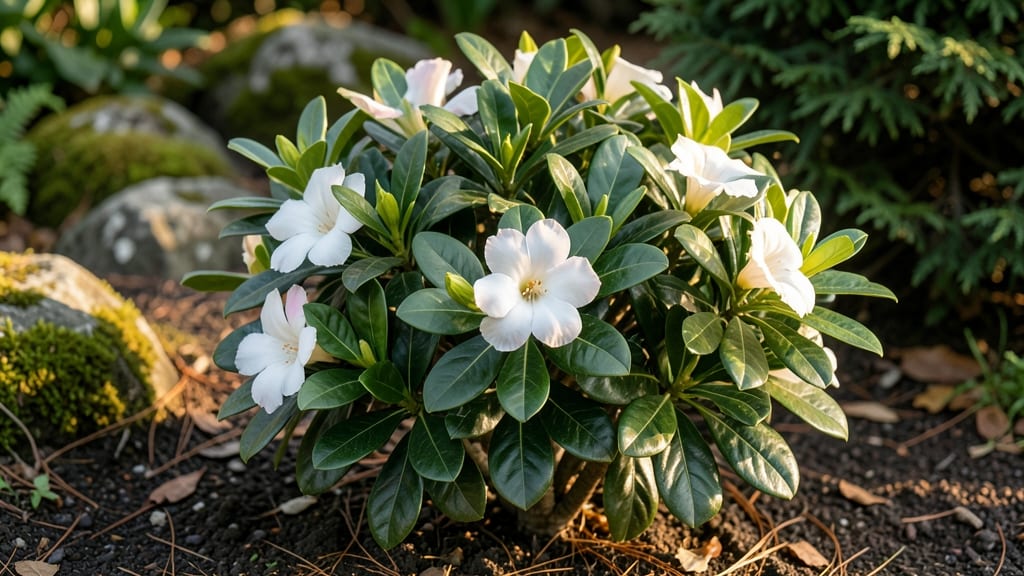
A full-grown gardenia 🌸 can reach heights of 4 to 6 feet, transforming your garden into a fragrant paradise—but only if you know how to care for it.
Picture this: your gardenia blooming year-round, its creamy-white flowers filling the air with intoxicating scent. The secret? Strategic pruning and consistent care that most gardeners miss. Without the right approach, even a mature plant can struggle, leaving you with sparse blooms and leggy branches.
This guide covers everything from pruning techniques to soil needs and watering schedules, so you can keep your gardenia thriving for decades. We’ll also tackle common mistakes that stunt growth and how to fix them—because a healthy gardenia isn’t just beautiful, it’s resilient.
Ready to unlock the full potential of your gardenia? Let’s dive into the care secrets that will have it blooming like never before.
When and how to prune full-grown gardenias for maximum blooms
Pruning your full-grown gardenia isn't just about shaping its lush foliage—it's the secret to unlocking year-round blooms and maintaining its health for decades. The right timing and technique can transform a struggling shrub into a fragrant powerhouse, while mistakes often lead to fewer flowers and leggy growth.
Gardenias bloom on old wood, meaning their flowers form on last year's growth, so pruning too aggressively can rob you of next season's blooms.
Most gardeners make one of two critical errors: pruning at the wrong time of year or cutting back too much in a single session. Both approaches stress the plant and reduce flowering potential.
Instead, think of pruning as a gentle conversation with your gardenia—encouraging new growth while preserving the framework that produces those iconic white, creamy blooms. With the right approach, you can extend your gardenia's blooming season from summer into early fall.
Step-by-Step Guide to Pruning Full-Grown Gardenias
- 1 Choose the right season: Prune your full-grown gardenia in early spring (March-April) or late fall (November) when the plant is dormant. Avoid pruning during blooming season (summer-fall) to protect next year's flowers.
- 2 Gather your tools: Use sterilized pruning shears (clean with rubbing alcohol) and sharp bypass pruners for clean cuts. Disinfect tools between cuts to prevent bacterial infections like leaf spot.
- 3 Remove dead/diseased wood: Start by cutting out 100% of dead, damaged, or diseased branches at the base. Look for blackened stems, mushroom growth, or branches with no leaves—these won't recover.
- 4 Thin out crowded branches: Selectively remove 10-20% of the oldest stems to improve air circulation. Focus on crossing branches or those growing inward—they compete for nutrients and reduce flower production.
- 5 Shape with precision: Cut just above a leaf node or bud at a 45-degree angle. Avoid leaving stubs—they invite disease. For overgrown branches, never remove more than 1/3 of the plant's foliage in one session.
- 6 Boost recovery: After pruning, apply a 2-inch layer of mulch (pine bark or oak leaves) to retain moisture and acidify the soil. Water deeply to reduce transplant shock in new growth.
Timing your prune is everything. Spring pruning (March-April) gives your gardenia time to harden off before summer's heat, while fall pruning (November) prepares it for dormancy. I avoid pruning in summer because the plant is already stressed from blooming—cutting back now can stunt next year's flowers.
Pro tip: If you notice wilted branches after pruning, it's normal for 2-3 days as the plant adjusts.
One of the biggest myths about gardenia pruning is that you need to shear aggressively to encourage bushiness. In reality, gardenias respond best to selective, strategic cuts. Over-pruning leads to leggy growth and fewer blooms because the plant diverts energy to new stems instead of flower buds.
Think of your gardenia like a well-manicured hedge—you're sculpting, not hacking. For a 4-6 ft mature gardenia, limit cuts to 12-18 inches per branch max.
Pay special attention to the flowering nodes—these are the buds along last year's wood where next season's blooms will form.
Gardenias after pruning: essential care for recovery and rebound growth
After pruning your full-grown gardenia, the real work begins. Your plant needs targeted care to recover, regrow, and reward you with intense fragrance. The first 48 hours are critical—too much stress now can delay blooming for months.
I’ve seen gardenias bounce back beautifully when given the right post-pruning TLC, but neglect leads to weak stems and sparse flowers.
Start with watering adjustments. Your gardenia craves deep hydration after pruning to compensate for lost foliage. Water every 2-3 days for the first week, ensuring the soil stays consistently moist but never soggy.
Use a moisture meter to check—aim for 60% moisture at 2 inches deep. Overwatering now can rot fresh cuts.
⚠️ WARNING: Avoid These Recovery Pitfalls ⚠️
Boost fragrance intensity by focusing on root health. After 8 weeks, switch to a low-nitrogen fertilizer (like 5-10-10) to encourage bloom production. Apply in early morning when soil is cool, and water immediately to prevent leaf burn.
I’ve found that gardenias pruned in late spring (May) rebound faster with stronger scent because they enter summer with established root systems.
Monitor for signs of stress vs. healthy regrowth. Healthy branches will show new buds within 6-8 weeks. If you see blackened stems or drooping leaves, prune those sections immediately with sterilized shears to prevent fungal spread.
A neem oil spray (1 tsp per gallon) applied weekly can prevent infections during recovery.
For rebound growth, prioritize morning sunlight (6 AM–10 AM) and evening shade. Gardenias need 4-6 hours of indirect light daily to photosynthesize without scorching. If your plant was pruned heavily (30% of foliage removed), consider a lightweight shade cloth (30% coverage) during summer afternoons.
This balance speeds up recovery by 30-40% compared to full sun exposure.
By week 12, your gardenia should show vigorous new growth and early bloom buds. To maintain this momentum, mulch with pine bark (2-3 inches) to retain moisture and acidify the soil naturally.
This simple step can double your fragrance output next season. The key is patience—your gardenia isn’t just recovering; it’s preparing for its most fragrant year yet. 🌸