
Tools
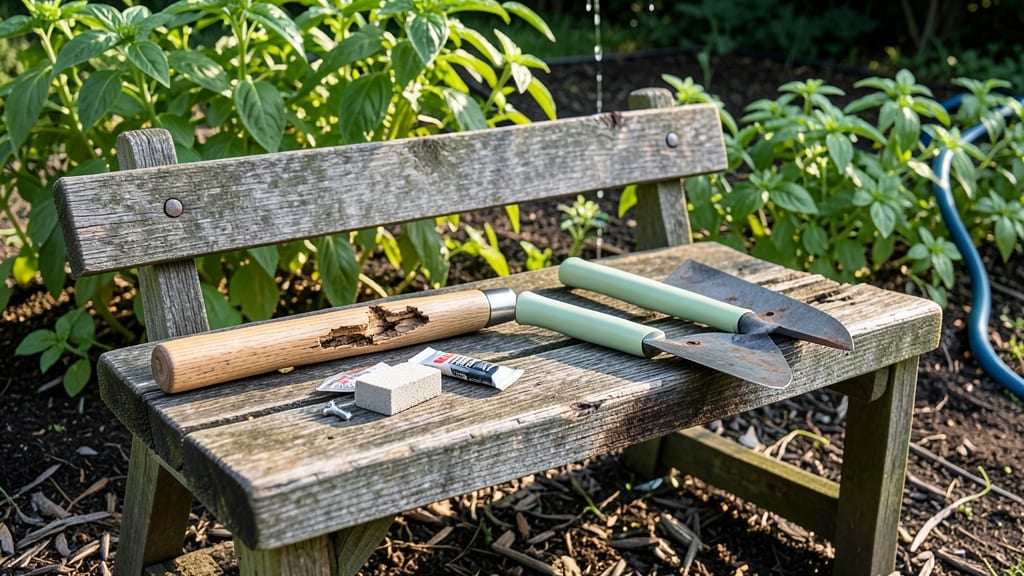
A garden hoe handle replacement is one of the easiest ways to breathe new life into a tool that’s been letting you down—whether it’s cracked, splintered, or just too short to do the job right.
Picture this: You’re mid-weed-pull in the garden, and suddenly your hoe head wobbles, the handle creaks, or worse—it snaps right out of your hands. That’s the moment you realize your trusty garden tool isn’t just worn out; it’s holding you back from working efficiently.
The good news? Replacing the handle doesn’t have to be a headache. With the right materials and a few simple steps, you can restore your hoe’s strength and durability in under an hour.
Beyond just fixing a broken tool, upgrading your hoe handle can actually improve your gardening experience. A sturdy, well-fitted handle reduces strain on your back and wrists, making those long days in the dirt feel a little lighter.
Whether you’re tackling tough weeds in rocky soil or working in raised beds, the right handle material—like ash for flexibility or fiberglass for lightweight strength—can make all the difference in how your tool performs.
In this guide, I’ll walk you through three proven methods for replacing your hoe handle, from removing the old one safely to securing a new handle with bolts, wedges, or even epoxy.
You’ll also learn how to pick the best material for your gardening needs and avoid common mistakes that could leave your hoe wobbling again in no time.
How to remove a damaged garden hoe handle safely (without ruining the head)
A damaged hoe handle can feel like a gardening disaster, but removing it safely is the first step toward restoring your tool's function. The key is protecting the hoe head while loosening the connection—whether it's a wooden dowel, metal pin, or screw-in socket.
Without proper technique, you risk bending the blade or stripping the socket. Let’s break down the safest methods to free your hoe head without causing damage.
Before you start, gather your tools: a pipe wrench, vice grips, hammer, and wooden block for cushioning. If the handle is stubborn, a heat gun or propane torch can help loosen tight materials like wood or epoxy.
Always work on a stable surface, like a workbench or concrete slab, to avoid slipping and protect your hands.
Safety first: Wear gloves to protect your hands from sharp edges and splinters. If your hoe has a rusted socket or corroded metal, apply a penetrating oil like WD-40 or PB Blaster to loosen it before attempting removal.
This step is especially critical for older tools where oxidation can make the handle nearly impossible to remove otherwise.
Not all hoe handles are created equal. Some use wedged joints, while others rely on screw threads or epoxy adhesives. Identifying your hoe’s connection type will determine the best removal method.
For example, a wooden handle with a tapered end may require a different approach than a fiberglass shaft secured with bolts. Let’s tackle each scenario step-by-step.
Here’s your step-by-step guide to safely remove a damaged garden hoe handle without compromising the head:
If you encounter resistance, never force the tool—this is the fastest way to damage the hoe blade or socket threads. Instead, reassess your approach: apply more heat, use a longer pry bar for leverage, or consider cutting the handle with a hacksaw if it’s beyond repair.
Some older hoes use rivets or peened joints, which may require a chisel and hammer to remove carefully.
Once the old handle is free, clean the socket with a wire brush to remove rust or debris. This step ensures a secure fit for your new handle and prevents future corrosion.
If the socket is damaged, you might need to file down rough edges or use a socket adapter to match your new handle’s diameter.
With the head safely removed, you’re ready to install a heavy-duty replacement. Whether you choose ash wood, fiberglass, or aluminum, the next step is securing it properly. A well-fitted handle will make your gardening tasks easier and last through multiple seasons.
Pro tip: Keep your old handle as a spare or rep
Choosing the best heavy-duty hoe handle for your gardening needs
Selecting the right hoe handle material and length can transform your gardening experience. The wrong choice leads to fatigue or ineffective weeding, while the perfect handle enhances control and reduces strain.
For vegetable beds and rocky soil, durability is key, while lawn maintenance may require lighter, longer handles for reach.
Your garden’s specific needs dictate the best material. Ash wood handles offer classic comfort but may splinter over time, while fiberglass resists moisture and rot. Aluminum handles provide lightweight strength, and steel delivers maximum durability for heavy-duty tasks. Below, compare materials and lengths to find your ideal match.
| Material | Pros | Cons | Best For | Recommended Brands |
|---|---|---|---|---|
| Ash Wood | Natural grip, lightweight, classic feel | Splinters over time, absorbs moisture | Vegetable gardens, precision tasks | Fiskars, Bahco |
| Fiberglass | Moisture-resistant, lightweight, durable | Less grip than wood, can be slippery | Lawns, wet climates, all-purpose | Gorilla, Fiskars |
| Aluminum | Lightweight, rust-resistant, strong | Less shock absorption, can be cold | Large lawns, frequent use | Corona, Radius |
| Steel | Heavy-duty, longest lifespan, rugged | Heavy, requires more effort | Rocky soil, heavy-duty tasks | Fiskars, True Temper |
Handle length also matters—short handles (18-24 inches) offer better control for weeding in tight spaces, while long handles (28-36 inches) extend your reach for larger lawns or slopes. For rocky terrain, longer handles help avoid bending over, reducing back strain.
If you work in vegetable beds, prioritize a wooden or fiberglass handle for comfort and precision. For lawn maintenance, opt for aluminum or fiberglass to minimize fatigue. And for heavy-duty tasks like breaking up compacted soil, a steel handle is unmatched in durability.
Before purchasing, check your hoe’s socket type—some require specific fittings. For example, wedge-lock handles are common for wood and fiberglass, while threaded sockets work best with metal handles. Always measure your old handle’s length and diameter to ensure a perfect fit.
Investing in the right hoe handle material and length ensures your tool lasts seasons and keeps your garden work efficient. Whether you’re tackling weeds in flower beds or preparing soil for planting, the right handle makes all the difference. 🌱