
Tools
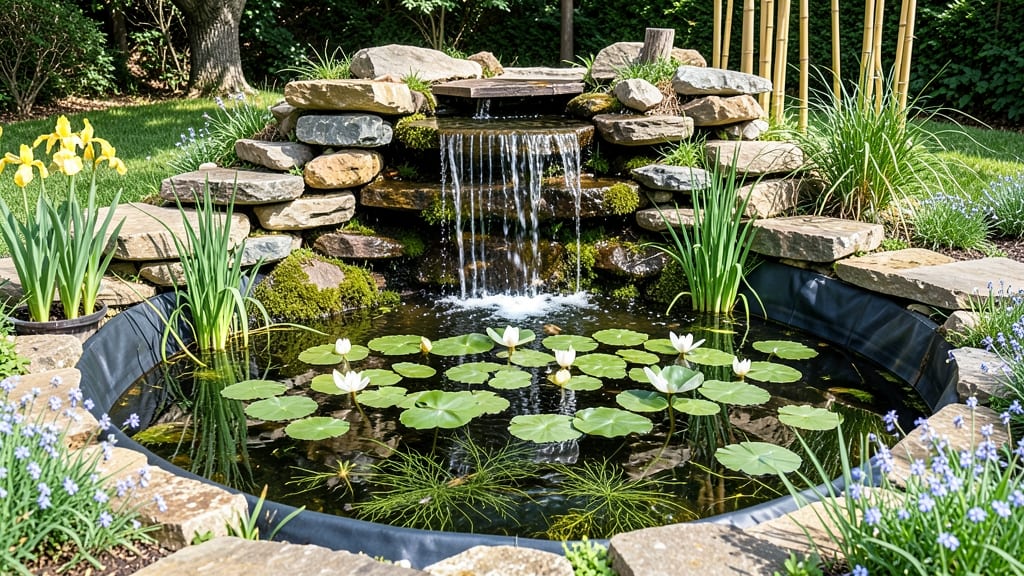
Creating a garden pond waterfall transforms your outdoor space into a tranquil retreat by adding soothing movement and visual interest. It boosts water quality through natural circulation while supporting aquatic life, and the right rock arrangement plus plant placement ensures it blends effortlessly with your landscape design.
A well-designed waterfall doesn't just look stunning—it works with nature to create a self-sustaining ecosystem. 🌿 The cascading water oxygenates the pond, preventing stagnation while the sound of flowing water masks unwanted outdoor noise.
For a seamless look, I recommend using locally sourced stones and native plants like hostas or ferns, which thrive in moist conditions and require minimal maintenance. The key is balancing height and flow: too steep, and it becomes overwhelming; too gentle, and it loses visual impact.
When planning your waterfall, start with the pump size—it should match your pond's volume to maintain steady flow without overheating. A 1,200-gallon-per-hour pump works well for most backyard ponds under 500 square feet.
For a natural finish, layer rocks in descending sizes from the top tier downward, leaving small gaps for water to weave through. This creates that organic, "wild" look while preventing erosion. Pro tip: Skim the pond's surface daily to remove debris, which can clog the waterfall's flow over time.
💡 In This Article
- How Waterfalls Improve Pond Ecosystems and Aesthetics
- Step-by-Step Guide to Building a Natural-Looking Waterfall
How waterfalls improve pond ecosystems and aesthetics
A garden pond waterfall serves as more than just a decorative element—it acts as a natural water filtration system. The cascading water increases oxygen levels by up to 30% through surface agitation, which is crucial for aquatic life like koi or goldfish.
This oxygenation prevents stagnation and reduces harmful bacteria buildup, creating a healthier environment for fish and plants. The movement also creates gentle currents that distribute nutrients evenly throughout the pond, mimicking natural ecosystems where water flows continuously.
The visual impact of a waterfall comes from its dynamic elements: the play of light on moving water, the sound of cascading droplets, and the way it frames the surrounding landscape.
Studies show that water features can lower stress by 20-40% through their soothing auditory effects, making your garden a peaceful retreat. For optimal aesthetics, aim for a height-to-width ratio of 1:3—for example, a 3-foot-tall waterfall should span about 9 feet at its base.
This proportion creates a balanced focal point without overwhelming smaller gardens.
Waterfalls also enhance biodiversity by providing habitats for insects, amphibians, and small wildlife. The moist areas around the base attract beneficial creatures like dragonflies and frogs, which help control pests naturally. To maximize ecological benefits, use irregularly shaped rocks with crevices where wildlife can shelter.
Avoid smooth, manufactured stones—they lack the texture needed for microbial growth, which supports the pond's natural filtration processes. 🌊
The flow dynamics of your waterfall should match the pond's size and shape. A gentle, sheet-like cascade works well for rectangular ponds, while a multi-tiered design suits irregular shapes.
The pump's flow rate (measured in gallons per hour) determines the waterfall's intensity—too strong, and it erodes the rocks; too weak, and it loses visual impact. For a 500-gallon pond, a 1,200-1,500 GPH pump typically provides the right balance.
Always place the pump at the pond's deepest point to prevent overheating and ensure efficient water circulation.
Seasonal considerations also play a role in waterfall design. In colder climates, use a submersible pump with a thermostat to prevent freezing damage, while tropical regions may require shade cloth to protect aquatic life from excessive heat.
The placement of native plants around the base—such as cattails or water irises—adds visual interest while stabilizing the soil and reducing erosion. These plants thrive in the moist conditions created by the waterfall, creating a self-sustaining ecosystem that requires minimal maintenance.
For a truly seamless blend with your landscape, choose rocks that complement your garden's existing materials. For example, a granite waterfall pairs well with a modern design, while limestone or sandstone enhances rustic or cottage-style gardens.
The color palette should harmonize with nearby foliage—earthy tones like browns and grays work universally, while brighter stones can add pops of color in more formal settings. 💫
One often-overlooked benefit is how waterfalls improve air quality. The mist generated by cascading water naturally filters airborne particles, creating a fresher environment in your garden. This effect is most noticeable in urban areas where pollution levels are higher.
To maximize this benefit, position the waterfall where prevailing winds carry the mist toward seating areas or frequently used outdoor spaces. The combination of visual beauty, ecological function, and sensory benefits makes a garden pond waterfall one of the most rewarding landscape features you can add.