
Tools
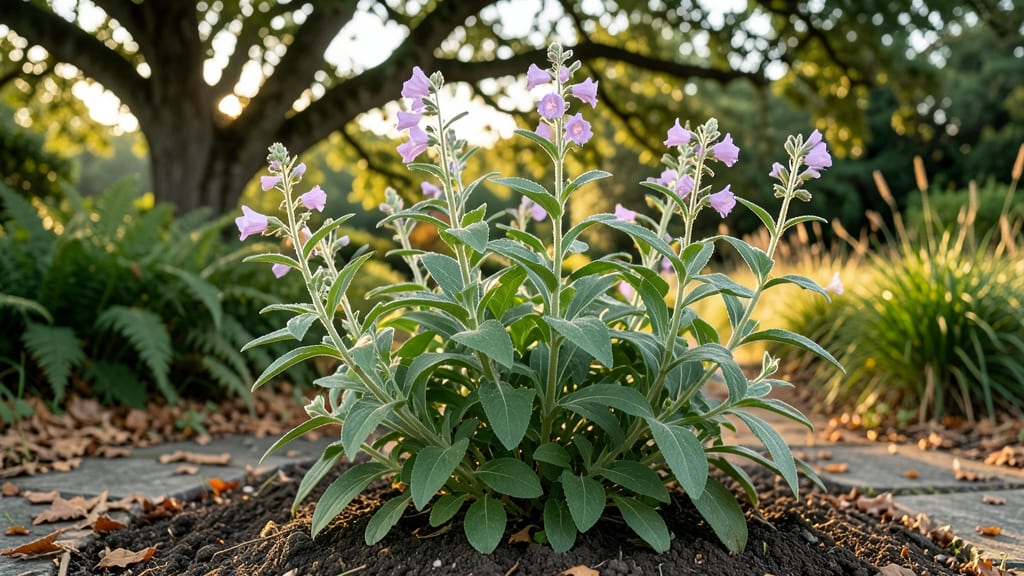
Garden trivia questions and answers uncover surprising botanical wonders, from the world's oldest tree (a 5,000-year-old bristlecone pine) to flowers that mimic female bees and seeds that hitchhike on animals. These 25 questions span plant biology, history, and quirky gardening lore.
These questions aren't just fun—they reveal how plants have evolved clever survival strategies. 🌱 For example, the Venus flytrap's "digestive" process takes just 10 minutes, while the coconut's fibrous husk helps it float thousands of miles across oceans.
I've used these facts to liven up garden club meetings, and they always spark lively debates about which plant has the most bizarre adaptation.
What makes this collection special is how it blends hard science with unexpected stories. Did you know the world's largest flower (Rafflesia arnoldii) smells like rotting meat?
Or that some orchids release heat to attract pollinators? These questions work perfectly for trivia nights because they challenge both casual gardeners and plant enthusiasts alike.
💡 In This Article
- Science Behind Unbelievable Plant Facts
- Hosting a Gardening-Themed Trivia Night
Science behind unbelievable plant facts
The Venus flytrap's legendary "bite" relies on a rapid electrical response called an action potential, similar to how nerves transmit signals in animals. When tiny hairs on its leaves are touched twice within 20 seconds, it triggers a 0.1-second snapping motion that traps insects.
This mechanism involves specialized cells that swell with water, creating enough force to close the trap in under 100 milliseconds—faster than a human blink! 🌿 The plant's digestive enzymes then break down the prey over 5-12 days, absorbing nutrients from what would otherwise be a nitrogen-poor bog environment.
Some flowers have evolved bioluminescence, like the Tasmanian native plant Phebalium species, which glows faintly in the dark to attract pollinators like moths. This glow comes from a chemical reaction involving luciferin and luciferase, the same compounds fireflies use—but plants produce it through a different metabolic pathway.
Another mind-blowing adaptation is the coconut's fibrous husk, which contains 40% air by volume, allowing it to float for up to 110 days while drifting 2,000+ miles across oceans. The husk's buoyancy comes from millions of lignified fibers that trap air like a natural flotation device.
Seed dispersal takes extreme forms too. The dodder vine (a parasitic plant) can "shoot" seeds 30 feet through explosive seed pods, while the witch hazel fires its seeds at 60 mph using a spring-loaded mechanism.
This catapult effect generates 1,000x the seed's weight in force, propelling it with enough energy to travel 50 feet in under a second. The physics behind this involves a torsion-based spring that stores energy in the seed pod's walls before sudden release—like a tiny botanical crossbow! 🌱
Flowers like the skunk cabbage use thermogenesis to generate heat, warming up to 85°F (30°C) in 24 hours to attract pollinators. This heat comes from mitochondrial activity in specialized cells, creating a process called "floral heating."
The plant's aroma also intensifies with temperature, releasing volatile compounds that mimic the scent of rotting meat—perfect for luring flies. Meanwhile, the lotus flower achieves its signature cleanliness through nanoscale surface textures that repel water and dirt, creating a self-cleaning effect called the lotus effect.
Even plant "memories" exist. The Mimosa pudica (sensitive plant) reacts to touch by folding its leaves due to turgor pressure changes in specialized cells.
While it doesn't "learn" in the traditional sense, its rapid response (0.1 seconds) is triggered by an electrical signal traveling through its vascular system—similar to how nerves function in animals.
This defense mechanism helps deter herbivores, though the plant can only "remember" the stimulus for about 24 hours before resetting.
These adaptations showcase how plants have evolved ingenious solutions to survive in competitive environments.
Whether it's chemical warfare (like the monkey flower that produces toxins to deter predators) or physical traps (such as the pitcher plant's slippery walls lined with downward-pointing hairs), every "trivia fact" has a scientific backbone rooted in millions of years of evolution. 💫