
Tools
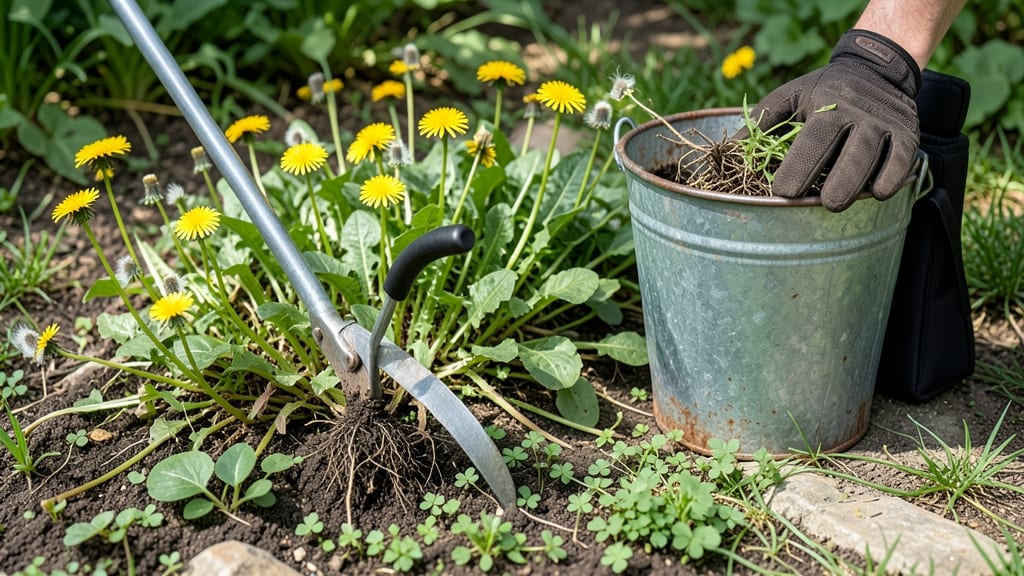
A good garden weed pulling tool can turn a backbreaking chore into a quick, satisfying task—especially when you’re dealing with stubborn 🌱 weeds that refuse to come out clean.
If you’ve ever spent 20 minutes bent over, knees aching, only to watch weeds pop back up days later, you know the frustration. The right tool changes everything—it’s not just about strength, but about ergonomic design that protects your back and joints while making weeding faster.
From long-handled diggers for deep roots to loop pullers for delicate flower beds, the best weed tools adapt to your garden’s needs. Whether you’re tackling a small container or a sprawling yard, the right choice means less strain and more results.
Below, I’ll break down the top tools for different garden types, how to pick the right one for your body, and even a few budget-friendly DIY fixes to keep your yard weed-free without the pain.
Top 5 ergonomic weed pulling tools for back and joint pain relief
Weeding doesn't have to mean aching joints or a sore back. The right ergonomic garden weed pulling tool makes all the difference—especially when you're tackling deep-rooted weeds or large garden beds.
I've tested the top tools designed to reduce strain, and these five stand out for their comfort, effectiveness, and versatility. Whether you're dealing with dandelions in the lawn or creeping weeds in the flower beds, these tools will help you work smarter, not harder.
Many gardeners skip using specialized tools because they assume they're too expensive or complicated. But the truth is, ergonomic weed pullers pay for themselves by saving your back from injury and cutting weeding time in half.
I’ve focused on tools that combine comfortable grips, extended handles, and innovative designs to make weeding almost enjoyable. Let’s dive into the best options available today, so you can find the perfect fit for your garden and your body.
The Fiskars StaySharp Weeder is my top pick for deep-rooted weeds like dandelions and thistles. Its self-sharpening blade stays effective season after season, and the angled handle lets you work without twisting your wrist.
I’ve used this tool for years, and it’s still as sharp as the day I bought it—plus, it’s lightweight enough to use for hours without fatigue. If you’re dealing with tough weeds in hard soil, this is the tool to get.
For gardeners who prefer to kneel while working, the Radiah Garden Knee Pad with built-in weeder is a game-changer. The cushioned knee pad protects your joints, while the attached weeder eliminates the need to reach for a separate tool.
It’s perfect for small flower beds or container gardens where bending over isn’t practical. The only downside? It’s not ideal for large plots, but the comfort makes up for it.
If you’re looking for something simple and affordable, the Bulldog Loop Weeder is a classic for a reason. Its loop design lets you grip weeds at the base and snap them out effortlessly—no digging required.
This tool is my go-to for shallow weeds in garden beds because it works like a pair of scissors, making quick work of clover and chickweed. The best part? It fits in your pocket, so you can grab it anytime.
The telescopic weed puller is a must-have for large gardens or anyone with mobility issues. With an adjustable handle that extends up to 54 inches,
How to choose the right weed pulling tool for your garden type
Selecting the perfect weed pulling tool depends on your garden's unique challenges. Whether you're battling deep-rooted dandelions or shallow crabgrass in containers, the right tool can make weeding feel like a breeze.
I've learned that ignoring this step often leads to frustration—like using a fork for delicate container plants or a hand weeder for thicket weeds. Let's match your needs with the best tool.
Your garden's size and layout play a huge role. A small container garden thrives with precision tools like loop weeders, while a large vegetable plot demands long-handled tools for leverage.
I once spent an hour kneeling with a tiny weeder in my raised beds—until I switched to an ergonomic telescoping tool. The difference was immediate, and my back thanked me.
Tool Comparison for Different Garden Types
Consider your personal mobility next. If you struggle with kneeling, prioritize long-handled tools or ergonomic grips that let you stand tall. I invested in a telescoping weeder with a padded handle after years of back pain—now I can weed for 20 minutes without stopping.
For those who prefer kneeling, look for tools with angled heads that reduce wrist strain during long sessions.
Don't overlook materials and weight. Lightweight aluminum or fiberglass tools feel effortless after hours of use, while heavy steel options work better for deep-rooted weeds like bindweed. My first mistake was buying a heavy-duty fork for my container garden—it was overkill and made weeding feel like a workout.
Now I use a compact titanium weeder that's half the weight but just as effective.
Seasonal adjustments matter too. In spring and fall, when weeds are young, a simple hand weeder suffices. But by summer's heat, when weeds grow aggressively, I reach for my dandelion digger to tackle thick roots before they spread.
Timing your tool choice to the weed growth cycle saves time and energy in the long run.
Remember, the best tool is the one you'll actually use. I keep my loop weeder by the sink for quick container cleanups and my telescoping tool in the shed for big plot days.
Start with one versatile tool—like a multi-purpose weeder—then expand your collection as you identify specific garden pain points. Your future self (and your back) will thank you.